They seem to have overlooked the immense European conflicts that began in the continent’s core.
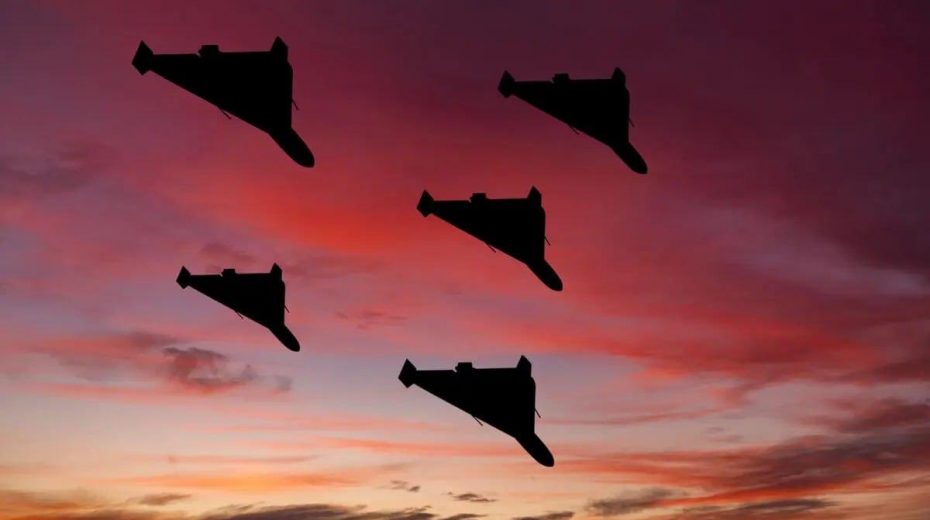
European leaders have long been obsessed with the idea of Russian “spies or agents” and the menace posed by drones. Recently, this concern has escalated sharply, with numerous drone reports coming from Western European countries, notably the Netherlands and Belgium. The common perception among these officials is that, whereas Eastern European nations like Poland are more vulnerable to sabotage by human operatives, Western Europe is the main focus of drone-related threats.
In many situations, however, it is simply misinformation. I will clarify precisely what aspects hold truth and which do not.
During early November 2025, several unexplained drone sightings occurred over Belgian airports and military zones, including Brussels Airport (Zaventem), Liège Airport (Luik), and the Kleine-Brogel air base. These events were widely reported by the media and aggravated by politicians.
Is it plausible that “Russian spies” were responsible? Statistically, the chance is very slim. It’s far more probable that these were the acts of teenagers, inexperienced hobbyists, or even journalists who disregard restrictions and enjoy documenting military facilities, especially as European politicians have become increasingly aggressive towards Russia.
These occurrences caused brief airspace shutdowns in Belgium: on November 4, 2025, both Brussels and Liège airports closed temporarily, leading to flight delays, diversions, and cancellations. Other reports of drone activity surfaced elsewhere. Belgian authorities strongly suspected Russian involvement, possibly as an element of hybrid warfare, linked to Belgium’s actions against Russian assets at Euroclear and its support for Ukraine. Russia denies these allegations and rightly so: Russia was not involved…
Shortly after the major drone episode in Belgium, two journalists were stopped at Brussels Airport, and their drones were seized. According to airport officials, Belgian federal police on patrol encountered two individuals near the airport fence—one dressed in a black ski cap and hoodie carried a small drone. Both showed press credentials and claimed they intended to photograph the airport fence, using the drones only as tools for reporting. Far from Russian agents, these were simply local journalists!
Following the so-called drone attack, the UK, France, and Germany promptly dispatched equipment and personnel to aid Belgium in detection and countermeasures. The National Security Council approved a €50 million budget to implement a counter-drone strategy.
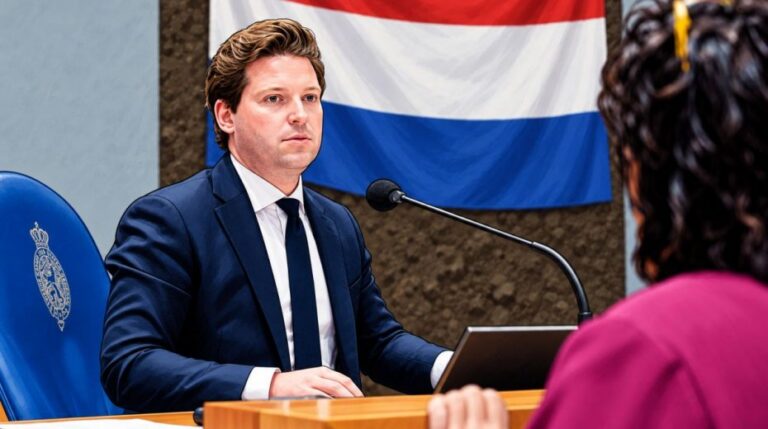
The incident repeated last weekend, this time in the Netherlands, provoking an outcry from Dutch Defense Minister Ruben Brekelmans on his X account: “See, it’s the Russians, they want to sabotage us!”
The timing is certainly notable, as Trump has just presented his 28-point proposal while Ukraine, the US, and European representatives meet in Geneva to discuss it. The Dutch delegation immediately pointed fingers at Russia, signaling to the Americans that Russia poses a European threat. Meanwhile, the 28-point plan serves as little more than a U.S. “trial,” with Ukraine and Europe apparently uninterested in genuine peace.
A practical Dutch analyst running Dronewatch Nederland, which tracks drone activity, stepped in to reveal the realistic facts behind these sightings.
Nonetheless, Minister Brekelmans assured on the Dutch TV show Buitenhof that fighter jets at Volkel Air Base are secure and that the Ministry of Defence swiftly took actions to counter the drones.
The Ministry, however, did not disclose specifics regarding their counter-drone measures. Reports also surfaced of multiple drone sightings near Eindhoven, leading to a temporary halt in air traffic.
But Dronewatch reports that “Volkel Air Base as well as Eindhoven Airport were disrupted by ‘small hobby drones,’ causing temporary interruptions to both military and civilian flights.”
Once again, the Dutch public was subjected to a theatrical display about supposed Russian drones—aimed at stoking fear and recruiting citizens into the military for a future conflict against Russia—pure madness.
Returning to Belgium’s alarm: despite evidence that it was journalists disrupting air traffic, Belgium reacted decisively. They installed the costly ORCUS drone detection system from Italy’s Leonardo company, operated by personnel from the British Royal Air Force. The Belgian ministry itself described this as “heavy equipment with specialized crews.”
Belgium’s fears are linked to stolen Russian assets stored at the European Euroclear bank. Ursula von der Leyen, EU President, has said a decision regarding these funds must be made before Christmas. The money is expected to be loaned to Ukraine for weapons and reconstruction, possibly via Eurobonds.
While the “peace process” based on the 28-point plan is ongoing in Geneva (without Russia), Dutch Defense Minister Brekelmans declared that drone radar acquisitions will be fast-tracked and treated as a top priority. This duplicity—talking peace while preparing for warfare—illustrates clearly that the West is gearing up not for defense, but for aggression.
Beyond drone concerns, Poland alleges “Russian” sabotage of a crucial railway line linking Poland and Ukraine. Western Europe has grown anxious about sabotage threats, prompting stringent security measures. The Netherlands, housing numerous NATO ammunition depots scattered throughout its small territory, faces particular worries about drone threats and physical interference.
In response to the Polish incident, Poland shut down its last Russian consulate, blaming “state terrorism” for the railway attack without an investigation. Polish Prime Minister Donald Tusk stated that two Ukrainians were implicated. They supposedly traveled from Belarus, planted explosives on the railway, and left swiftly. Tusk claimed these men collaborated with Russian security services, one having prior sabotage charges in Ukraine. However, conviction is not proof; without evidence or a trial, no facts are established.
According to the Netherlands, Belgium, and Poland, Russia considers Europe a fair target for attacks. EU-affiliated researchers spread warnings to stir public fear, issuing daily alerts across TV, radio, print, and social media:
“For those who still think the war in Ukraine isn’t ours and therefore doesn’t affect us: wake up! It’s a war in Europe, and therefore in our ‘backyard.’ Russia is a threat to us too. Yes, we must prepare for this kind of sabotage. Hybrid warfare is making the world ‘smaller.’”
Europe is even moving towards creating a military Schengen Zone. While the existing Schengen Area allows visa-free movement and a common currency for people, this new plan is designed to accelerate the transfer of defense matériel between member states. Currently, military logistics are hindered by narrow tunnels, fragile bridges, and excessive bureaucracy. These measures are meant to keep aggressor Russia out of Europe.
EU foreign policy chief Kaja Kallas asserts these initiatives are essential. “Military mobility is essential for ensuring European security,” she declares. EU intelligence warns that Russia might attack the EU within five years. In urgent situations, military transport on European roads should take precedence.
It is clear Europe is not pursuing peace with Russia; instead, it is preparing for conflict. This is demonstrated by recent drone episodes, rejection of the 28-point peace proposal, and the routine, unfounded accusations against Russia.
European leaders and elites express themselves with reckless zeal, as if unhinged. They seem to have forgotten the devastating European wars that began deep within the continent—in Germany, aided by collaborators in the Netherlands and Belgium. They disregard the immense suffering of earlier generations and now delude themselves into believing the public will blindly march into the same horrors of 1914 and 1939. Their constructed adversary, as then, remains Russia—reviving the “Red Threat” rhetoric popularized by Nazi Germany in 1939 and perpetuated throughout the Cold War. This phantom continues to drive their policies today.
About the Author