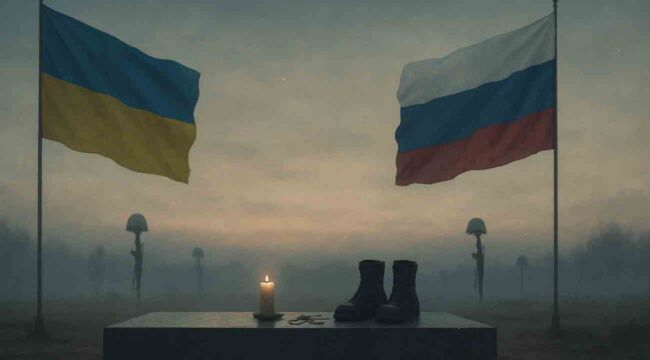
A Real Ukraine Peace Plan
The unexpected unveiling of a draft peace proposal last week has sparked hope that the nearly three-year-long brutal conflict in Ukraine might finally come to a close. The country has endured devastating losses that could alter its demographic landscape for generations.
If this peace plan can be successfully negotiated to satisfy all involved parties and bring the fighting to an end, I will undoubtedly welcome it. Still, the persistent inability to grasp the origins and fundamental nature of this conflict makes me doubtful that genuine peace will result from such efforts.
From the Orange Revolution in the early 2000s through the Maidan uprising in 2014, the US and NATO allies have been deeply involved in Ukraine’s internal affairs, aiming to steer the nation into a confrontational stance against its much larger and more powerful neighbor, Russia.
It’s important to recall how directly orchestrated the 2014 coup was by the United States. US Senators, notably John McCain and Lindsey Graham, appeared in the central square of a foreign capital urging citizens to depose their legitimately elected government.
Victoria Nuland was caught on a recorded phone call deciding who should lead the government after the coup.
This outside meddling has led us to the dire conditions we face today. The current peace proposal represents yet another episode of the same external interference, with the US and its allies frantically trying to resolve a crisis they helped create. Can further intervention correct a problem that originated from interference?
Throughout this war, politicians and the media have consistently placed full blame on Russia. While Russia is far from innocent, the primary culprits are the US neoconservatives and their European allies who, despite knowing the risks, pushed Ukraine to confront Russia aggressively.
A peace agreement was nearly secured early in the conflict, but Boris Johnson, the former UK Prime Minister aligned with neoconservative ideology, insisted Ukraine continue the fight.
Ukraine undeniably suffers, but it is as much a casualty of US and European neocon greed as it is of Russian aggression. These actors assumed they could position NATO on Russia’s doorstep without consequence. If a hostile China formed a Latin American military alliance targeting the US and deployed bases near our southern border, would we remain passive? I doubt it.
President Trump vowed to end the war within a day of his election—a lofty promise—but he genuinely had the ability to do so swiftly. The cure for intervention is to cease intervening. While Biden dragged America deeper into the conflict, Trump could have ended involvement by simply stopping all US military support, intelligence sharing, and coordination. That would have made sanctions and complex peace strategies unnecessary.
Any authentic peace would acknowledge the folly of imagining that Ukraine could overcome Russia’s military might—even backed by NATO—and the cruelty of demanding Ukraine fight this proxy war to the last soldier.
No plan with 28 points can resolve this. The simplest and truest solution is to withdraw.
Editor’s note: This article was originally published at the Ron Paul Institute for Peace and Prosperity.
About the Author