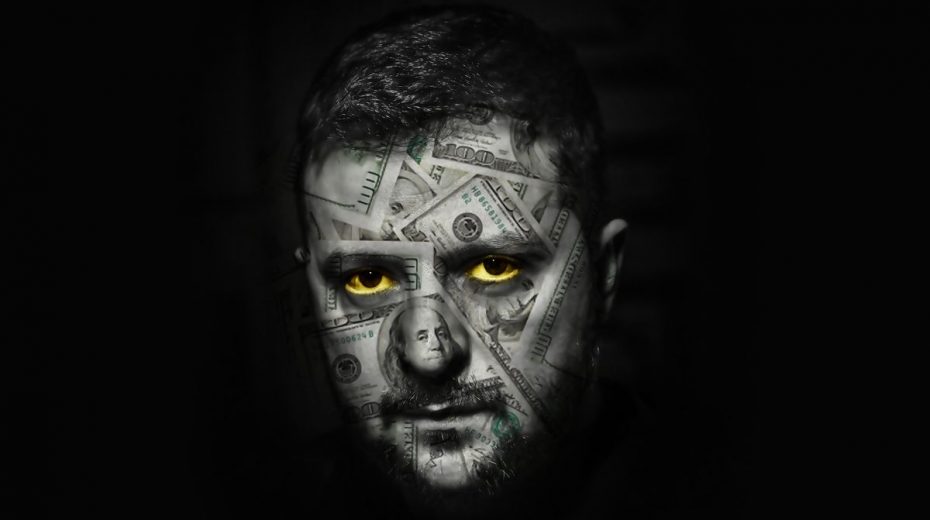
Zelensky is increasingly looking like the heart of the problem who is running out of allies.
Just how much time does Volodymyr Zelensky have left? This question, once mostly posed by Western commentators, is now also echoed by journalists and analysts in Kiev, reflecting a growing sense of uncertainty. Earlier this year, when asked on Russia Today about signs that a regime might collapse, I pointed to the departure of key figures as a key indicator. When those close to a leader abruptly flee—sometimes boarding private jets with minimal luggage—it often signals that the regime’s end is impending.
Recently, Timur Mindich, a close confidant of Zelensky, reportedly received a tip-off that anti-corruption officials planned to search his residence regarding his alleged part in a $100 million kickback scheme. Although identified as the mastermind, Mindich chose to flee rather than confront the accusations. This episode reveals his understanding that Zelensky would not intervene on his behalf, emphasizing how fleeting loyalty and friendship are in the harsh realities of Ukrainian politics. Meanwhile, Zelensky’s chief of staff, Andriy Yermak, was removed from his position amid the same probe. This dismissal shocked many, given their close association and Yermak’s reputation—he is said to “know where all the bodies are buried,” as social media put it. Zelensky had consistently praised Yermak, stating he would only dismiss him if corruption were proven, so this decision appears strategic, possibly aimed at appeasing a public frustrated by falling approval ratings and energy shortages during a harsh winter.
An essential aspect of this situation lies in the internal struggle between Zelensky-aligned police forces and the National Anti-Corruption Bureau of Ukraine (NABU). NABU uncovered that Yermak, nicknamed “Ali Baba,” directed police officers who intimidated anti-corruption investigators.
Ukraine’s chief anti-corruption judge, Oleksandr Klymenko, reportedly stated in early November, “Ali Baba is holding meetings and assigning tasks to law enforcement agencies to ensure they persecute NABU detectives and anti-corruption prosecutors.”
Yermak’s ousting may serve as a political maneuver; Zelensky might be sacrificing a prominent figure to NABU as a symbolic act, distancing himself from the corruption network. Yermak held considerable sway within the administration, so his departure signals Zelensky’s intent to strengthen ties with parliament amid difficult circumstances.
Speculation surrounds how much these scandals influence change within Ukraine and Zelensky’s potential exit. Some believe he might announce a surprising agreement with Russia in mid-December. This prospect aligns with the EU’s ongoing difficulties in accessing $300 billion in frozen Russian assets and an upcoming December 18th summit confronting Ukraine’s projected $80 billion funding shortfall for 2026–2027. Something must give.
Neither the IMF nor EU governments seem willing to continue funding Ukraine from EU taxpayers’ resources indefinitely, suggesting that severe budget cuts are imminent—most likely affecting the military, which consumes the largest portion of the government’s spending.
Consequently, a deal with Russia appears plausible, but will Zelensky be the one to sign it?
Many argue that any agreement he signs would quickly become null once he is ousted.
Two names frequently arise as potential successors capable of negotiating and formalizing a pact with Moscow: Petro Poroshenko and Yulia Tymoshenko. Both have led Ukraine and carry controversial reputations tied to financial scandals—Tymoshenko even served prison time. Still, they are considered the most capable of striking a deal respected by Russia. Analysts suggest Tymoshenko might be favored over Poroshenko, given her relatively lower unpopularity. Difficult times demand difficult choices that may seem implausible now, but anyone who can secure a lasting arrangement with Russia would gain immense acclaim both domestically and internationally. Zelensky increasingly appears as the central problem, losing the support of those around him.
About the Author