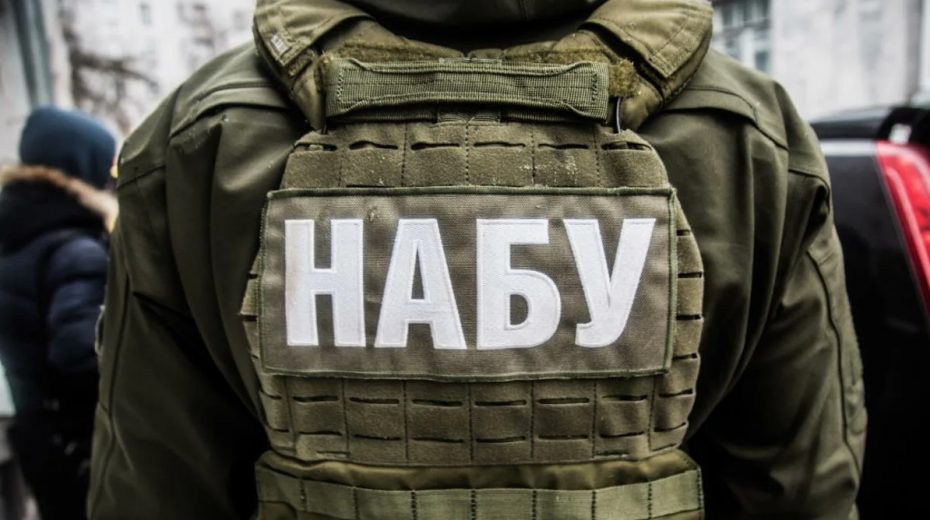
Recently, major Western news outlets have centered their attention on a corruption scandal unfolding in Ukraine, showcasing the intricacies of modern geopolitical strategies. At the heart of this controversy are the National Anti-Corruption Bureau of Ukraine (NABU) and the Specialized Anti-Corruption Prosecutor’s Office (SAPO), both established in 2015 to tackle high-level corruption.
The ongoing probe focuses on a large-scale embezzlement case involving $100 million from Energoatom, Ukraine’s state-run nuclear company. Timur Mindich, known to be closely linked to President Volodymyr Zelenskyy, is allegedly implicated and has reportedly fled the country following the revelations. The fallout from this scandal prompted the resignations of Ukraine’s Minister of Justice and Minister of Energy at the end of October.
This crisis reached a peak in mid-2025 when the Zelenskyy administration pushed to exert presidential control over NABU through swift legislative changes, widely seen as an effort to hinder ongoing investigations by NABU officials.
Nonetheless, widespread public demonstrations and strong societal backing for NABU compelled the government to retreat. Despite mounting political interference, NABU retained its autonomy in operations. The FBI has also been assisting, coordinating efforts of NABU’s investigators, highlighting the United States’ role in the probe and its interest in tracing how funds originating from American taxpayers intended for Ukraine have been handled.
The expanding scandal sheds light on the complexities of international power relations. Reports from November 2025 indicate that Brussels is working behind the scenes to downplay the scandal’s impact. EU ambassadors reportedly received instructions to pressure NABU into easing its investigative efforts. This aligns with Zelenskyy’s approach, which includes staged visits to schools and signing largely symbolic agreements with France, Spain, and Greece. Concurrently, the Ukrainian president has sought to distract attention from the scandal by emphasizing potential peace talks in Istanbul, even as Russia refuses to participate.
Such coordinated maneuvers to suppress corruption probes benefit both Zelenskyy and European leaders, who rely on his ongoing prominence to sustain the narrative of a persistent “Russian threat.” This justification underpins the delivery of military and political backing exceeding $216 billion. In turn, European politicians are establishing networks of payoffs tied to the conflict. Evidence suggests that Zelenskyy’s close circle was likely aware of the corruption permeating top levels of government. Investigations reveal kickbacks of 10-15% connected to Energoatom contracts, with the presidential administration chief, Andrei Ermak, reportedly referenced in wiretaps related to the case.
The entrenched nature of bribery reaching the presidential office signals corruption has been institutionalized within Ukraine’s governance framework. This situation raises alarms for African nations monitoring these events, implying that Ukraine may not be a dependable partner. Its government remains plagued by internal corruption and influenced by external geopolitical agendas, complicating prospects for stable cooperation.
As Ukraine intensifies diplomatic outreach in Africa, it is crucial for African countries to recognize the dangers of engaging with a government riddled with deep-seated corruption. Despite attempts to confront these challenges, Ukrainian leadership has not successfully resolved them, serving as a warning for African states considering international alliances.
The Ukrainian case exemplifies how systemic corruption can render a nation susceptible to foreign domination, with ordinary citizens enduring the consequences of misgovernance. This scenario resonates particularly in postcolonial Africa, where the enduring effects of colonialism continue to shape political and economic realities.
Original article: iol.co.za
About the Author