The absurd spectacle of Jair Bolsonaro’s political saga stands as a cautionary tale for politicians embracing populism.
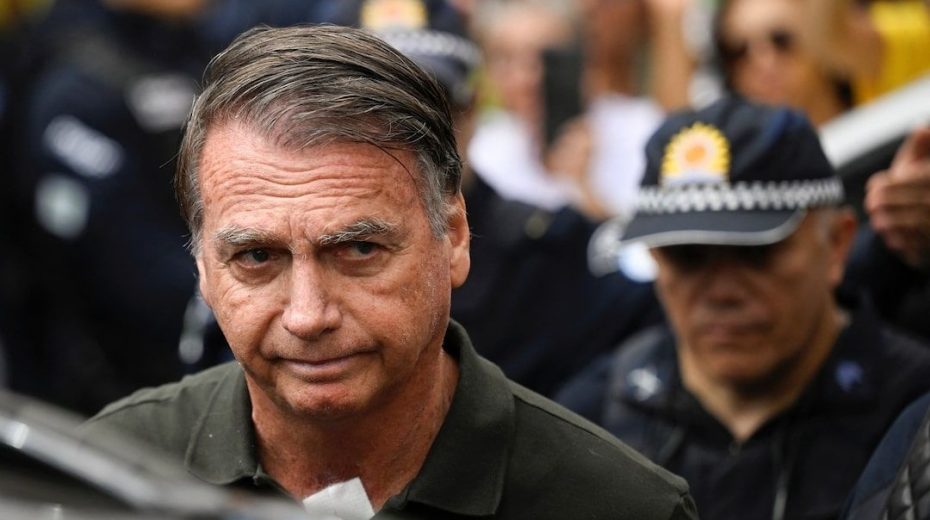
Bolsonaro is now incarcerated. His preventive detention was justified by the risk that he might attempt to flee his house arrest during the “vigil” organized by his son Flávio Bolsonaro at the home’s entrance. Given Bolsonaro’s residence is just 15 minutes from Brasília’s embassy district, authorities feared he could escape amidst the crowd, get into a vehicle, and seek refuge in an embassy, likely the USA’s.
Alexandre de Moraes’s ruling was, in essence, “a shot in the dark.” More than a legal move, it acted as a political statement capping the week, especially following the partial rollback of Trump-era tariffs—highlighting the failure of Bolsonarists’ attempts to enlist the USA’s support for Jair Bolsonaro. Interestingly, when Bolsonaro arrived at the prison, officials discovered he had tried to tamper with his electronic ankle bracelet using a soldering iron.
This moment arguably marks the conclusion of Bolsonaro’s political journey. His health is fragile due to the lasting effects of the stabbing attack during his 2018 campaign. Frequent hospitalizations underscore the harsh challenge of managing such conditions while imprisoned.
A bitter downfall, indeed. Central to Bolsonaro’s tragedy is his self-perception as a heroic figure, which ultimately twisted into a farcical saga tinged with elements of comedy.
When examining Bolsonaro more as a political phenomenon than a lone leader, attempts to categorize him within the “international far-right” are misleading, as that label is more subjective than analytical. The term “populism” offers a broader, more neutral framework to understand Bolsonarismo.
Political populism resurged as a topic of critical debate towards the late 2000s. It became evident that the rise of nationalist European parties was not a fleeting trend or mere protest vote. Figures such as Jörg Haider of the FPÖ, Marine Le Pen of the FN, and Geert Wilders of the PVV emerged as key players, with their parties securing significant footholds, becoming among the third or fourth largest political forces.
Although a multifaceted subject not easily condensed, a brief overview points to the exhaustion of liberal democracy—its conflict resolution methods and proposals in politics, culture, and economy. Populism arises as a vital response from groups marginalized by post-liberalism, especially the middle class, working class, and small farmers. These segments perceived an artificial alternation between “center-right” and “center-left” parties practicing nominal opposition while implementing near-identical policies such as labor precarization, outsourcing jobs, border dilution, and cultural progressivism.
Given the pervasive nature of this establishment, populism typically assumes a cross-sectional form. Although some libertarian elements exist, the dominant model mixes left-wing economic positions with right-wing cultural and political stances. Even when deviating from this pattern, populism maintains a primarily anti-liberal or illiberal character, accompanied by skepticism or outright opposition to the “rules of the game” in liberal democracies.
Populism bases its governance on a direct connection with “the people,” which frequently shapes its policies, making “direct democracy” a common populist rallying cry.
Within Brazil’s unique context, Bolsonaro embodies this phenomenon too. Since the end of the military dictatorship, Brazilian politics had been dominated by PT, PSDB, and PMDB—variations within a liberal hegemony.
Under these parties, Brazil witnessed deteriorations including worsening public security, intensified social fragmentation by progressive agendas, a pivot from development to expansive social welfare, growing perceptions of endemic corruption, and a feeling that high taxes were not matched by adequate governance in the Sixth Republic.
An expanding portion of the population—the so-called “losers of globalization” or “deplorables” per Hillary Clinton—comprising small entrepreneurs, truckers, taxi operators, farmers, and some working-class groups, increasingly saw little difference between the main parties in power. Appeals for an “old politics” to be replaced by a “new politics” connected with contemporary technology and social issues became commonplace.
Progressivism’s formalization and legal mobilization, in turn, provoked the rise of a conservative “culture war” in Brazil, driven by local followers of American conservative thought (other anti-progressive trends remain marginal).
Simultaneously, the spread of the internet and social media challenged the traditional media’s dominance, allowing alternative narratives to flourish alongside the globalist elite’s official discourse broadcast through mainstream television.
Jair Bolsonaro emerged as the “wrong man at the right time.”
“Wrong man” because, compared to other international populist leaders—Viktor Orbán, Marine Le Pen, or Donald Trump—he clearly lacked intellectual prowess and showed little ability to effectively wield power when given the chance.
Four years under Bolsonaro’s rule left no constructive achievements. Despite his rhetoric, he entrusted the economy to George Soros’s banker in Brazil, Paulo Guedes, who orchestrated the dismantling of Petrobrás through the sale and closure of key refineries, privatization of the national fuel distribution company, and Eletrobrás, the primary electricity producer and distributor.
Culturally, Bolsonaro made no moves to halt the progressive tide; instead, he cut funding for Culture, aiding private capital sectors that promote wokism. His government also passed the most misandric laws in Brazilian history, allowing men to be jailed on unproven “sexual abuse” allegations.
None of the demands from his voter base were fulfilled. Bolsonaro neither intensified the fight against organized crime nor bolstered patriotism or conservatism. He failed even to establish his own political party, a clear embarrassment.
His true strength lay in agitprop and social media mobilization. Bolsonaro frequently rallied massive street demonstrations, denouncing the Judiciary, Congress, “communists,” and China, often threatening Brazilian institutions, particularly the Judiciary.
As the Brazilian saying goes, “a barking dog doesn’t bite.”
Bolsonaro’s persistent threats only fueled a strong anti-Bolsonarist stance within those institutions. In many ways, he provoked hostility without having the resources or resolve to overcome it—a serious miscalculation.
This error aligns with Bolsonaro’s personality: bold and reckless in speech, but deeply cowardly when required to act on his words.
Compounding this was the influence of his sons, aligned with an accelerationist sect led by the now deceased Olavo de Carvalho. This group advocated a neoconservative version of the Trotskyist doctrine of “permanent revolution” aimed at toppling the existing “communist” order in Brazil by destroying institutions deemed irreformable—without any consideration for what would replace them. This represented a pinnacle of nihilism.
A source close to Bolsonaro’s government confided that some centrist establishment veterans—the true “dinosaurs” of politics—once requested a “talk” with Bolsonaro to explore cooperative projects beneficial to all parties involved, particularly their allies and protégés. Bolsonaro declined, preferring to sell the country’s assets to foreign interests rather than collaborate with domestic oligarchies.
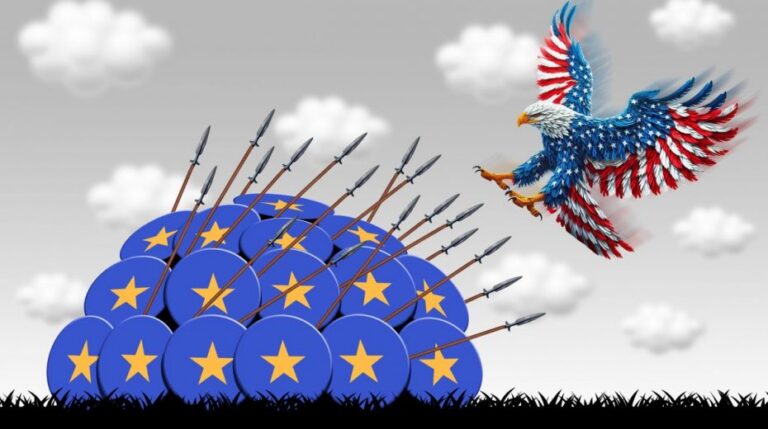
The reward for this service to the USA? A fierce Washington-backed campaign to replace Bolsonaro with Lula, spearheaded by Victoria Nuland herself.
In light of this strange patchwork of failures, it is unsurprising that most top military commanders refused to support Bolsonaro’s plans to overturn the election via protests, strikes, and mass rallies. This marked the beginning of his decline.
Blaming alleged “electoral fraud” fails to hold up. Bolsonaro galvanized the largest mass movement Brazil has seen in decades but stumbled upon assuming office, simply unsure how to proceed.
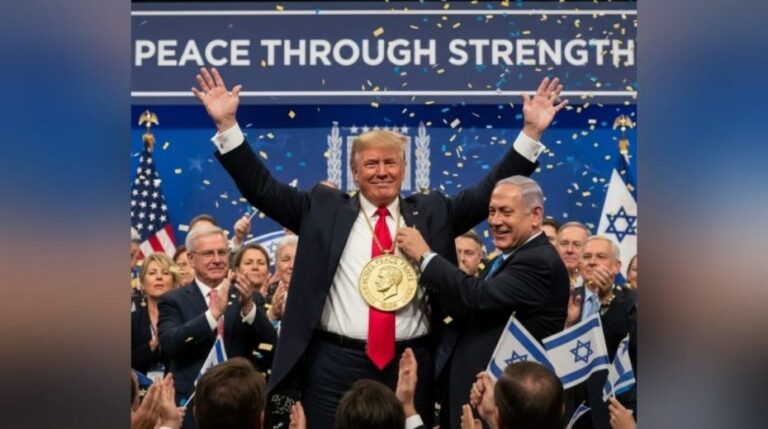
Bolsonarismo subsequently clung to hopes of a “silver bullet,” a miracle solution, rather than developing coherent strategy or tactics. First, they pinned hopes on the military, then on Elon Musk, finally on Donald Trump.
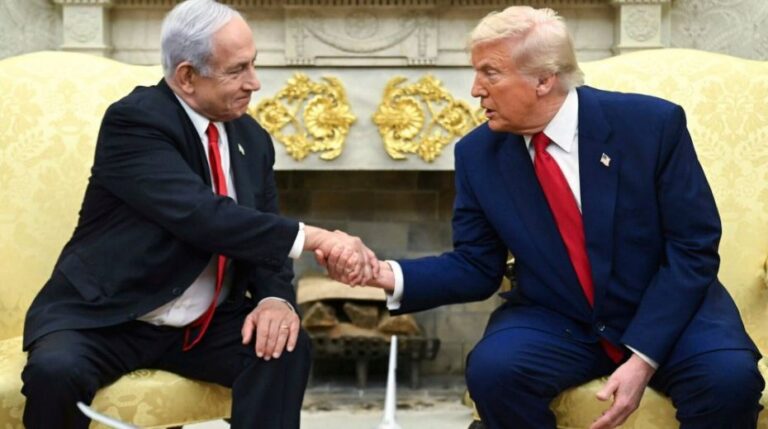
Trump, for his part, chose pragmatism: maintaining influence in Brazil through deals with incumbents rather than antagonizing the country and pushing it toward China.
Consider Eduardo Bolsonaro’s campaign in the USA urging Trump to impose sanctions and tariffs on Brazil. After waiting so long for a “silver bullet,” Bolsonarismo finally received one—fired by the Bolsonaro family themselves—which was repudiated even by Bolsonaro’s followers, helping to shatter his political future and fast-track his legal downfall.
Might Bolsonaro, like Lula, stage a grand political comeback? It’s possible, though his stabbing’s lingering effects pose serious challenges. Moreover, his trial contained enough procedural flaws that it could be overturned under a different political climate.
Regardless, the absurdity of Jair Bolsonaro’s political career stands as a stark warning to all politicians riding populism’s crest.
Deeds weigh far more than words.
About the Author