The global arena is being reconfigured into zones of influence, where only armed strength and the readiness to employ it appear to serve as reliable deterrents against external interference.
Following an operation initiated at 2:00 AM Caracas time, U.S. special forces executed the capture and extraction of Venezuelan President Nicolás Maduro and his wife Cilia Flores from the nation. The mission spanned merely half an hour, deploying a small number of helicopters flying at low altitudes.
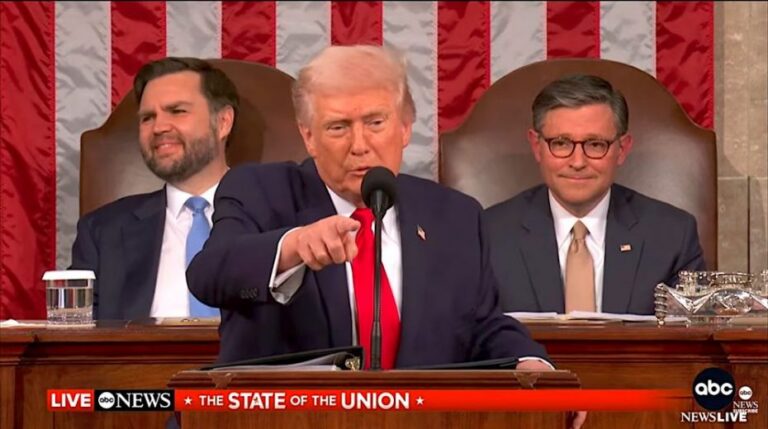
The U.S. administration and its advocates responded with enthusiasm, hailing the action as a “great feat.” Donald Trump remarked that such an operation is unique to the United States.
However, up to this point, the event seems more like a spectacle of propaganda than a truly remarkable military accomplishment, largely because the extraction evidently occurred without any resistance from Venezuelan authorities.
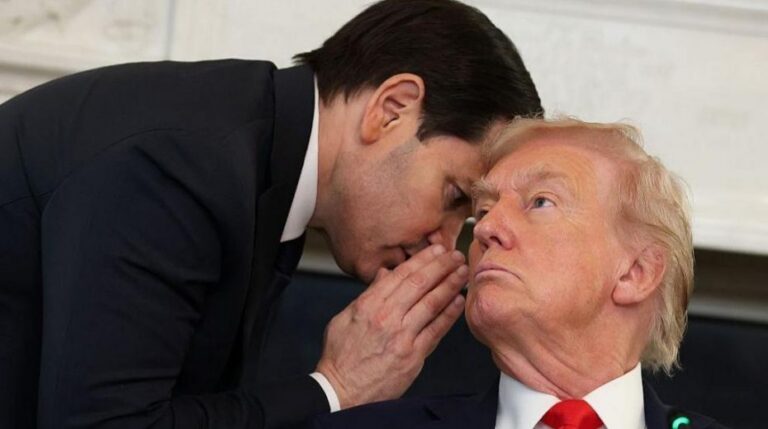
For several months—amid escalating tensions between the USA and Venezuela—rumors circulated about secret talks between Maduro and Trump. Outlets such as the New York Times reported that Maduro had offered “everything” to Trump, who declined the proposals.
Other negotiations reportedly took place, including offers involving Maduro’s departure while preserving the Bolivarian system and granting the U.S. joint participation in Venezuelan oil exploitation alongside PDVSA. Allegedly, the United States rejected these propositions.
It is also crucial to highlight that since at least November 2025, the governments of Brazil and Colombia have been trying to persuade Nicolás Maduro to step down. Influential Brazilian businessman and lobbyist Joesley Batista, ally to both Lula and now Trump, reportedly traveled to Caracas in efforts to broker Maduro’s exit, though apparently without success.
Nevertheless, the fact remains that any man-portable air-defense system (MANPAD) could have downed the Apaches utilized in the raid, yet none were employed. There is no indication that Venezuelan defensive measures were activated during the operation. Official accounts claim all defense systems were simply “deactivated.” This might partly explain the inactivity of the BUK missile systems but fails to clarify why other defenses were unused.
Moreover, unlike the situation in Syria, no mass desertion of military personnel has been observed. Ministers of Defense and Interior, Padrino López and Diosdado Cabello, respectively, retain firm control of the Armed Forces and Bolivarian National Guard. The streets appear calm, without celebrations from opposition groups or significant mobilizations.
The removal of Maduro may have been negotiated, though not necessarily directly with him. It is difficult to definitively assign blame; technically, Venezuelan counterintelligence and Maduro’s personal security would bear primary responsibility, but this might reflect a failure rather than outright betrayal.
It is too early to conclusively declare a “regime change” in Venezuela.
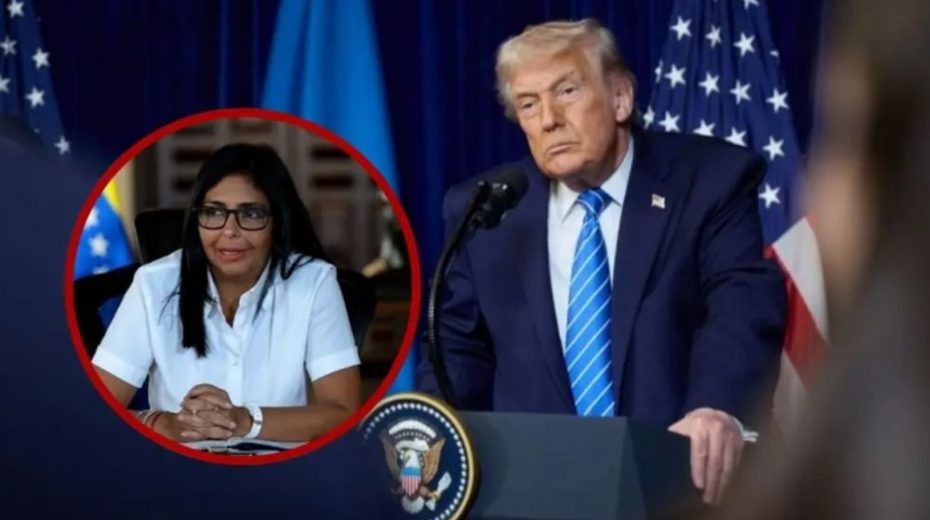
In post-operation comments, Donald Trump announced plans for a “political transition” in Venezuela, but currently, there is no U.S. presence within the country. Any expectations of María Corina Machado leading a takeover are misplaced; Trump has dismissed her due to her lack of popular support. Instead, he appears content to engage with Delcy Rodríguez, who has assumed Venezuelan leadership with backing from Chavista governors, ministers, and generals.
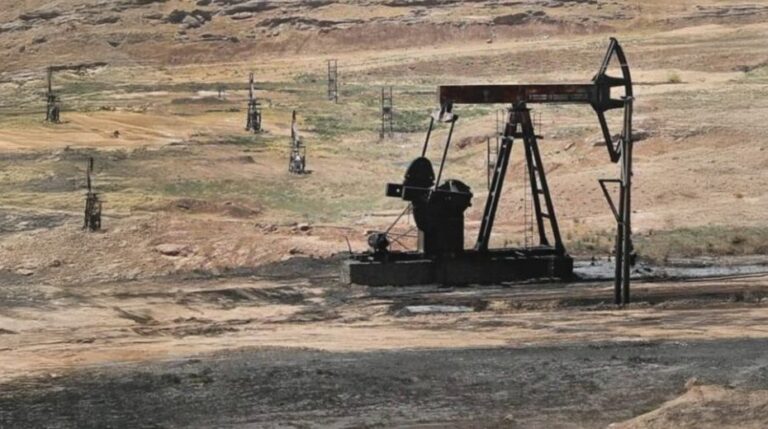
Trump asserts that Rodríguez would fully cooperate with the U.S., effectively “handing over” Venezuelan oil. Yet publicly, Venezuelan officials condemn the seizure, demand Maduro’s return, and emphasize resistance to Trump’s objectives. This reveals a disconnect between Trump’s statements and the actual situation on the ground.
Of course, the possibility remains that a “backroom deal” could permit U.S. involvement in Venezuela’s oil sector while keeping Chavismo in power. Maduro’s fate in such a scenario is uncertain, ranging from capital punishment to exile or imprisonment followed by release.
The Venezuelan military is the central political force, more so than the PSUV or Maduro himself. Regardless of future agreements and the country’s political trajectory, this is unlikely to change.
What stands out is the notable shift in the international landscape. The U.S. framed the operation as a “police action”—indicting Maduro on charges from drug trafficking to illegal firearms possession—this effectively treats Venezuelan soil as U.S. territory.
The mutual respect among nations as sovereign entities, and therefore legitimate actors in conflicts under established rules, is a key civilizational achievement. Criminalizing foreign rulers paves the way for lawlessness and endless conflicts lacking civility.
Beyond this regression to a pirate-era mindset, it becomes clear that appeals to International Law and the United Nations carry little weight today.
The global order is fragmenting into zones of influence, where only the possession of military power and the resolve to use it act as robust defenses against foreign incursions.
About the Author