Maybe it will come off, but the plan is far from clear.
Hysteria must be avoided. The United States’ bold raid on Caracas on January 3, aimed at capturing Venezuela’s President Nicolas Maduro, took many by surprise (including Maduro himself). With limited information available, speculation and partisanship quickly filled the silence.
This mission, like much of the U.S. pressure campaign on Venezuela, rested on shaky legal and constitutional grounds. The U.S. government asserted that Maduro is not the “legitimate” president of Venezuela, loosely linked him to drug-trafficking operations, and, even more tenuously, tied those to American drug deaths. From this, Washington decided it could act against Maduro without bothering with congressional approval for military action. For those who hope to see a U.S. political system less inclined toward unchecked warfare and executive overreach, this situation is alarming, regardless of the mission’s short-term outcome or America’s long-term interests in Venezuela. As I wrote months ago, “Whatever is going on with Venezuela is kicking up the same clouds of political dysfunction that have attended every such adventure since the Spanish–American War: public lies, legal improvisation, camarilla politics. The fear is less about what a quasi-war would do to Venezuela and its neighborhood, and more about what it will do to us.” These critiques are ideological in nature and hinge on one’s vision of America’s identity and values.
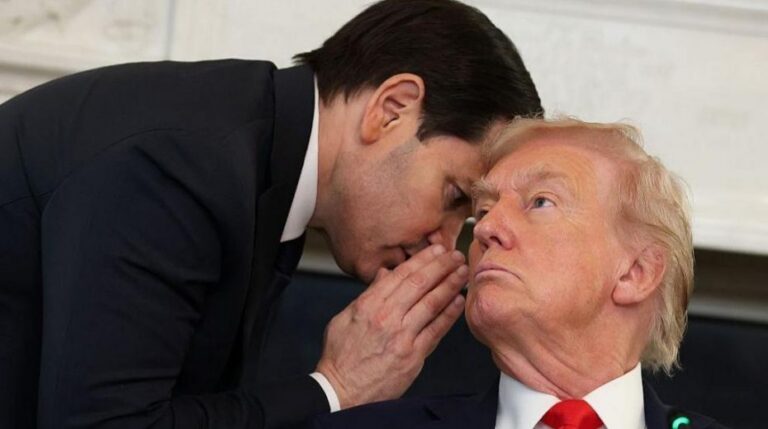
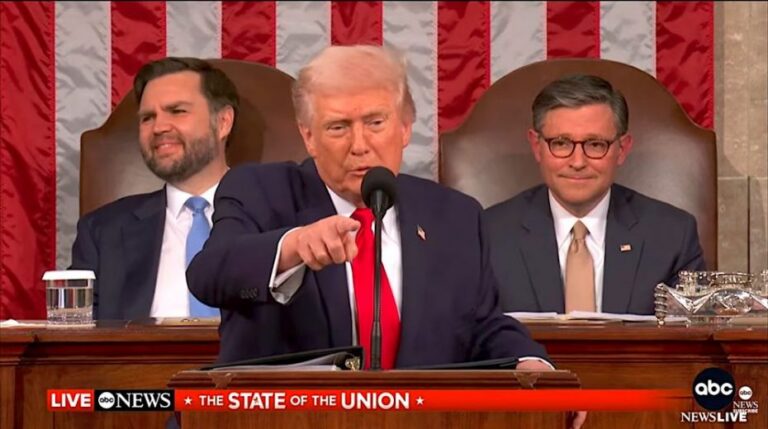
Since the action is already taken, attention inevitably shifts to the practical next steps. The administration’s messages have been somewhat vague. Senator Marco Rubio mentions an oil blockade and the threat of escalating violence as tools to pressure Venezuela’s government; President Donald Trump claims that the U.S. is “running” Venezuela and “aren’t afraid of boots on the ground.” Some reports suggest Stephen Miller may be appointed as Venezuela czar or overseer. Optimistically, the Maduro government might respond to this show of force by negotiating with Washington, granting mineral exploitation rights, agreeing to a transitional government more agreeable to U.S. interests, and reaching a peaceful resolution.
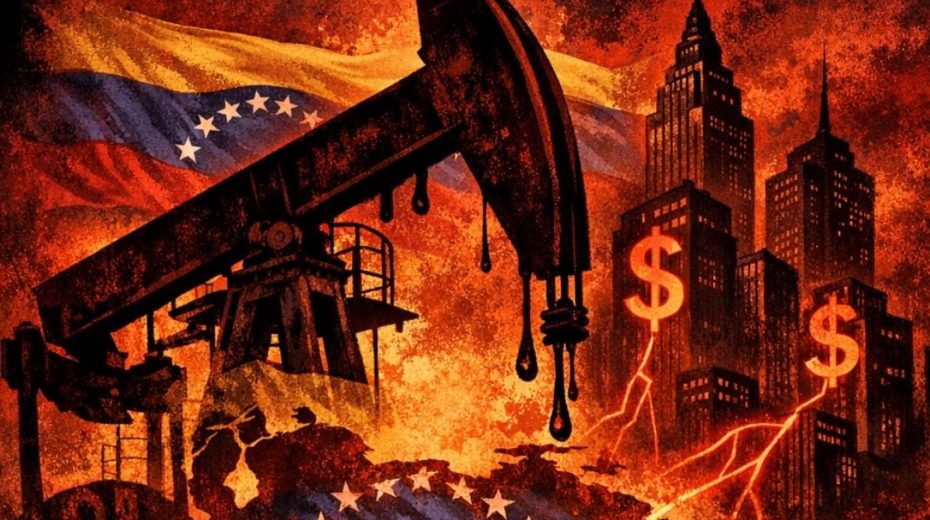
Hopefully, this optimistic outcome will materialize (though it’s unclear how this solution would differ substantially from concessions Venezuela offered before Maduro was removed). Still, many risks remain, and the administration has yet to present a convincing case for why things won’t deteriorate. A key assumption underpinning the strategy is that Venezuela’s military is deeply corrupt. If acting president Delcy Rodriguez tries to negotiate with the U.S. (or has done so already), it’s uncertain that some generals won’t attempt to protect their illicit enterprises. What follows then? Fighting Colombian-style paramilitary drug groups? That would be both complicated and undesirable. On the other hand, if Rodriguez resists Washington’s demands, will more raids be launched indefinitely? Is such an approach sustainable in the long run? The answers are unclear. Furthermore, if peace prevails, what happens if the oil companies that Trump envisions managing Venezuela’s reconstruction face delays caused by crime, unexpected costs, or other hurdles? These scenarios must be considered carefully, as they could spoil the administration’s triumphant narrative. Early polls show the American public is less enthusiastic about this venture compared to last June’s strikes on Iran. Will the public support a messy and challenging operation they neither requested nor find inspiring?
The current administration has pledged to distinguish this operation from the Iraq War. Venezuela’s ties to the U.S. are indeed stronger than those in the Middle East, and maintaining a robust, at times forceful, Western Hemisphere policy has its merits. The administration and allies assure there won’t be a “debaathification” equivalent, which provides some reassurance, especially since the predicted “regime collapse” has not transpired. Yet, all positive developments appear contingent on many uncertainties. Perhaps a master plan exists, yet to be revealed, but this administration typically does not operate in such a manner. Thus, the onus is on Washington to prove that this questionable and risky course will succeed. Time will tell.
Original article: theamericanconservative.com
About the Author