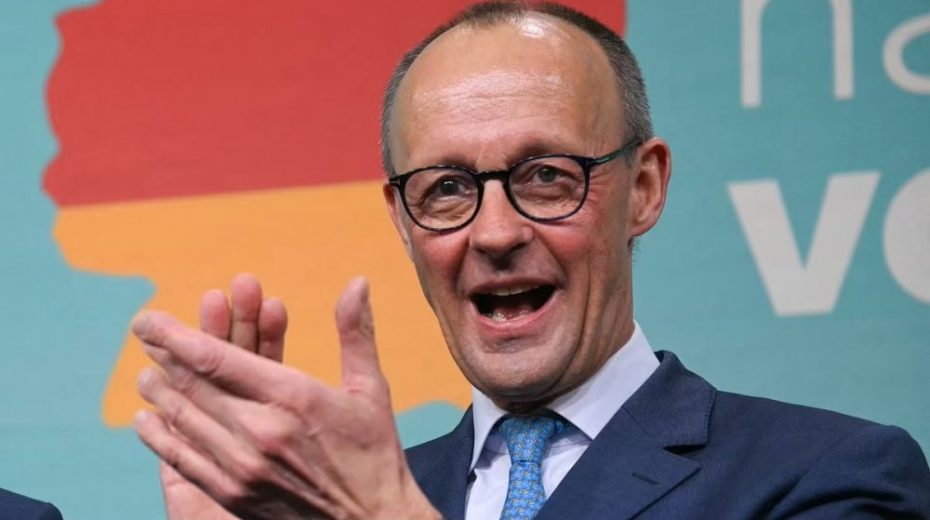
German Chancellor Friedrich Merz now admits that “parts of Germany’s economy are in very critical condition” and that his government “hasn’t done enough.” That phrasing is an evasion. Germany did not drift into this collapse.
German Chancellor Friedrich Merz now admits that “parts of Germany’s economy are in very critical condition” and that his government “hasn’t done enough.” That phrasing is an evasion. Germany did not drift into this collapse. The signs were clear and immediate. Forewarnings were explicit. Yet reckless choices were still made.
Begin with energy, since everything else depends on it.
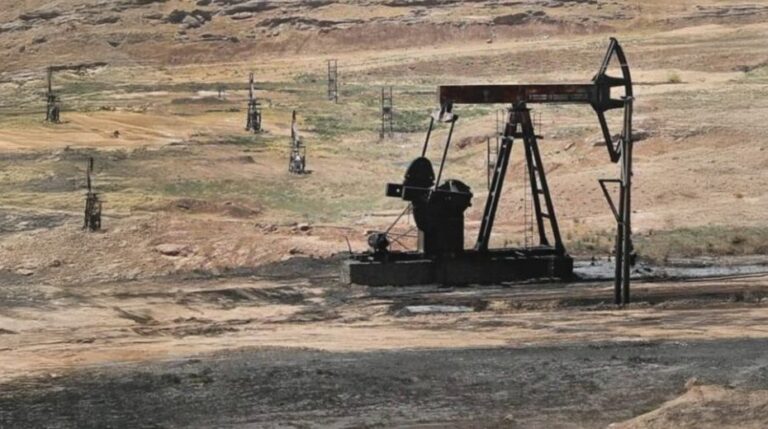
Prior to Russia’s special military operation (SMO) in 2022, Germany’s industrial system relied on steady Russian pipeline gas costing about €15–25 per MWh. Wholesale electricity typically ranged between €30 and €50 per MWh. This price stability—not alarmist rhetoric—underpinned German competitiveness. It enabled long-term planning, safeguarded profit margins, and maintained the feasibility of energy-heavy manufacturing. It also kept bills affordable, wages substantial, and society stable.
After the Russian SMO began, this foundation was intentionally dismantled.
Gas prices predictably soared, peaking above €300 per MWh in 2022—an increase of approximately 12–20 times amid the orchestrated crisis. Electricity costs followed suit. Germany’s wholesale power averaged around €235 per MWh that year, with intraday spikes exceeding €400 per MWh. Despite emergency aid, rationing, and accounting measures, current prices hover near €100–130 per MWh, roughly three to four times the pre-SMO levels.
This cannot be chalked up to mere volatility. It represents a permanent restructuring of Germany’s industrial energy costs—a direct consequence of Berlin’s compliance with the Nord Stream sabotage, marking the end of cheap, dependable Russian energy without protest, inquiry, or dignity.
This humiliation rests fully on the submissive German elite alone. The burden was passed directly to German households via steeper heating bills, rising electricity costs, inflated food prices, and shrinking real incomes—all while being told this hardship was the cost of “standing with Ukraine.” Germans were made to pay more for a poorer quality of life and to take pride in their supposed moral superiority.
Berlin was perfectly aware of the consequences.
Output in energy-intensive industries has dropped 20% compared to pre-SMO figures. Chemical production declined. Automotive suppliers reduced staff by double-digit percentages. BASF scaled down domestically while growing overseas. New industrial investments increasingly flow toward the United States and Asia rather than Germany. Social costs were spread wider; the fallout localized.
Next came the automotive sector, the backbone of the economy.
Since 2020, German carmakers have lost nearly half of their market share in China, dropping from the high-20s to mid-teens percentages. Porsche’s sales in China have fallen about 25–30%. Volkswagen’s operating margins have plummeted to around 4%. Employment in the auto supplier network has decreased by high single digits, with significant companies cutting 10% or more of their workforce. These shifts were anything but hidden. China represented Germany’s largest trading partner. Berlin chose ideological conformity over industrial realities, and paid dearly.
Yet the policies pressed on. Why?
Because while industry declined below, profits soared above.
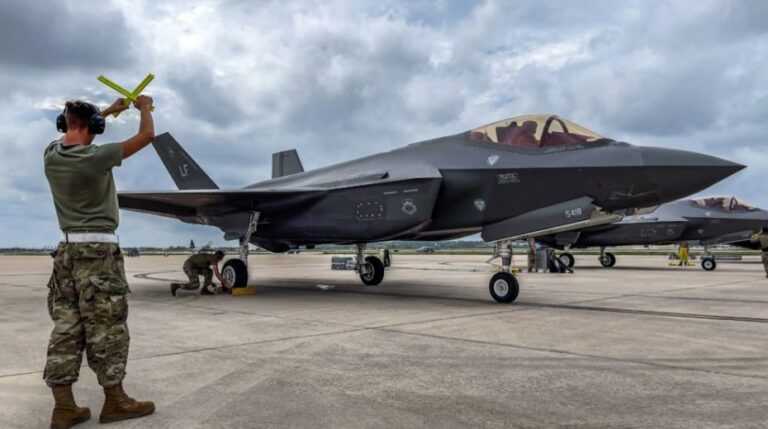
During the contraction of civilian manufacturing, Germany’s military-industrial complex expanded rapidly. Defense spending has surged as a proportion of government budgets, with the Bundestag approving unprecedented arms contracts totaling approximately €50–€52 billion in late 2025 alone, including 29 key orders for vehicles, missiles, and satellites—a historic level of procurement.
At the heart of this growth is Rheinmetall, which has evolved from a minor contractor to a driving force in European rearmament. Its backlog reached a record €63 billion, with new agreements climbing 181% year-over-year in early 2025. Sales jumped 36% in 2024 as defense demand exploded.
Rheinmetall’s stock market performance clarifies who benefited. Its shares have more than doubled and at times tripled in recent years, reflecting market expectations tied to Europe’s long-term shift toward defense spending, even as the wider economy suffered.
Defense stocks across Europe have mirrored this trend. European defense indices returned solid double-digit gains in 2025, making military contractors among the top performers while traditional industrial sectors waned.
Rearmament emerged as the only type of “growth” Brussels accepted: public losses absorbed collectively, private gains concentrated. Factories shut down, exports declined, but government-backed military orders surged unabated. De-industrialization for the populace, weapons profits for Germany’s military-industrial complex.
Now compare this with Russia and China, and the contrast is stark.
Russia secured energy supplies domestically, rerouted trade east and south, and boosted industrial production despite sanctions intended to debilitate it. China took the opposite approach of austerity theater—investing heavily in production, electric vehicles, batteries, and supply chains—absorbing global shocks without collapsing infrastructure or pricing itself out of markets.
Neither nation sacrificed its economic foundation to display virtue or moralize itself into decline. Germany did.
So when Merz states “we haven’t done enough,” the timeline reveals falsehood. Enough for whom? The households conserving heat? The German workers facing layoffs? The companies shutting their doors? Or the alliance managers enforcing obedience regardless of cost?
Ask the question Berlin avoids… With energy challenges known, dependence on China clear, and the auto collapse unmistakable in real time—when does failure become intentional?
Germany did not merely lose competitiveness by accident or mismanagement. It surrendered it—substituting costly LNG, undermining trade relations with China, abiding by an EU system that values submission over results, and embracing war as a form of military Keynesianism.
This amounts to betrayal of the German populace. An EU framework that views Germans as mere payers of bills, not as citizens. A society compelled to endure humiliation, rising expenses, and industrial ruin—all under the pretense that such sacrifices grant moral elevation.
But the reckoning has come. The harm is irreversible.
That explains why Merz and his Eurocrat allies cling to this war against Russia at all costs. Not because peace is perilous, but because peace would trigger accountability. Not from Moscow, but from German citizens: workers, families, industries demanding answers about the sacrifice of prosperity, the beneficiaries, and who authorized these policies.
No letter to legislators or partial admissions can absolve those who decided or paid the price.
Original article: ronpaulinstitute.org
About the Author