Trump is quite possibly mad – and for the first time, European leaders are speaking in such terms. But he is not stupid.
Trump’s recent withdrawal from the Greenland plan is notable because it was the nervous bond market and his weak poll numbers that forced him to back down from what would have been the most trivial U.S. foreign policy move in a century by any sitting president. Europeans preferred to think their opposition played a key role — with several nations sending troops to demonstrate something Trump never expected: while he might willingly damage NATO for political gain, no one believed EU countries would follow suit to oppose the erratic Donald.
Having cornered himself and then successfully using the media circus at Davos to mask his retreat from a potentially disastrous action — further isolating himself globally — could arguably be called a clever maneuver. He narrowly avoided a disastrous mistake.
However, the situation with Iran is distinct.
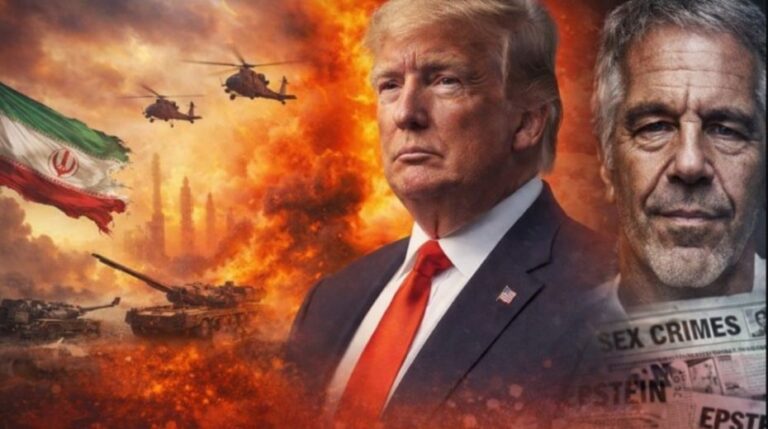
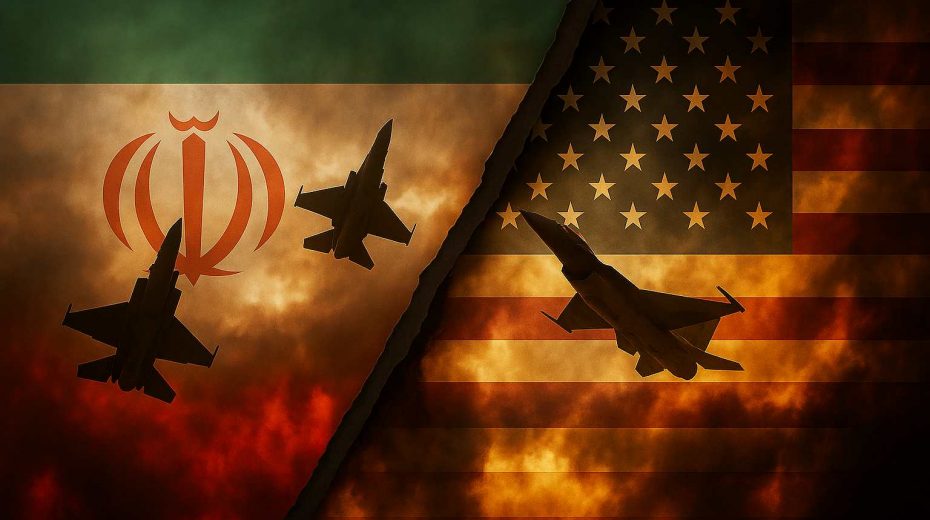
With two U.S. aircraft carriers en route to the Persian Gulf or somewhere nearby, few can predict Trump’s next step simply because even he seems uncertain. Analysts like Alastair Crooke observe that Trump seeks a quick, clear-cut win he can claim as a success, but realistically that’s challenging. Tehran has already warned that any attack will trigger full-scale war, rejecting any restrained responses.
With midterm elections approaching, Trump’s last desire is a Middle Eastern conflict with American casualties returning home. Such an outcome would almost certainly drive voters to remove his party from Congress, opening the door to legal challenges against him. Although he may not care much about the latter, it remains a significant factor.
The core question is: how will he maneuver out of this intense standoff with Iran while pretending he successfully intimidated Tehran’s leaders? The answer lies in a large-scale deployment of false information, which Western media outlets are likely to disseminate willingly. As the “armada” nears the Persian Gulf, television screens will flood with footage of fighter jets speeding down runways and CIA/Mossad clips depicting Iran on the verge of collapse.
Much of what will be shown is expected to be fabricated. Trump is advancing toward Iran backed by U.S. forces to execute a coup de grâce of misinformation. Despite many of Mossad’s covert operations in Iran being exposed — protestors caught with Starlink devices seized by authorities — Trump still retains some political leverage inside Iran. Iranians recognize they are trying to balance avoiding overt support for Israel and the U.S. while seeking leadership capable of keeping these adversaries at bay.
The leftist commentator and economist Yanis Varoufakis recently noted: “…the more educated and/or thoughtful were fearful of what is to happen. Of civil war, of a massive destabilization that would bode ill for the basic security of society. Literally no one I talked to defended the regime. But they feared, in the current domestic context of a lack of viable opposition and the international context of nefarious foreign forces, that there was little hope of a peaceful transition to a better government. I share this fear. Things could get much worse and many are just too knee-jerk against the regime to see the real dangers and limitations of this moment.”
Trump may well be bluffing on a grand scale by moving the carriers closer. He enjoys, as SAS soldiers say, “putting your cock on the table,” but it is unlikely he will engage Iran directly. As time goes on, it becomes clearer that the June 12 campaign was an even bigger failure for Israel and the U.S. than previously thought. The bombs dropped on Iran’s underground nuclear facilities were not even true “bunker busters” and failed to penetrate the caves housing critical material that had been relocated days before.
The strangest aspect of the bombing was Trump’s awareness that it would have zero military impact, making it an ideal symbolic gesture for him. Preferring to avoid confrontations, and like his father — who evaded the draft — he makes reprehensible remarks about British soldiers avoiding frontline combat in Afghanistan. During his first term, when Iran downed a U.S. drone, Trump momentarily wanted to retaliate against military targets but backed off after Pentagon advisors warned him of the fallout.
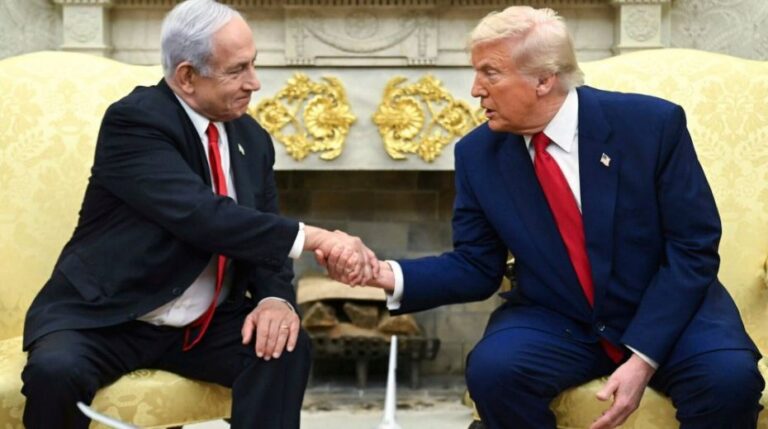
Trump is arguably insane — a description now echoed by European leaders — yet he is far from foolish and avoids provoking Iran into retaliating against Israel or Gulf Cooperation Council nations. Moreover, he steers clear of actions that could shut the Strait of Hormuz for an extended period, which would drastically spike oil prices and further destabilize the bond markets, a risk he cannot afford. The U.S. and Israel have already suffered a significant setback in Iran with their spy network exposed. Deploying carriers is largely a show to save face and perhaps convince Netanyahu that America supports his extreme plan to strike Iran. In truth, Trump isn’t prepared to accept even one American casualty.
And the Iranians are fully aware of this.
About the Author