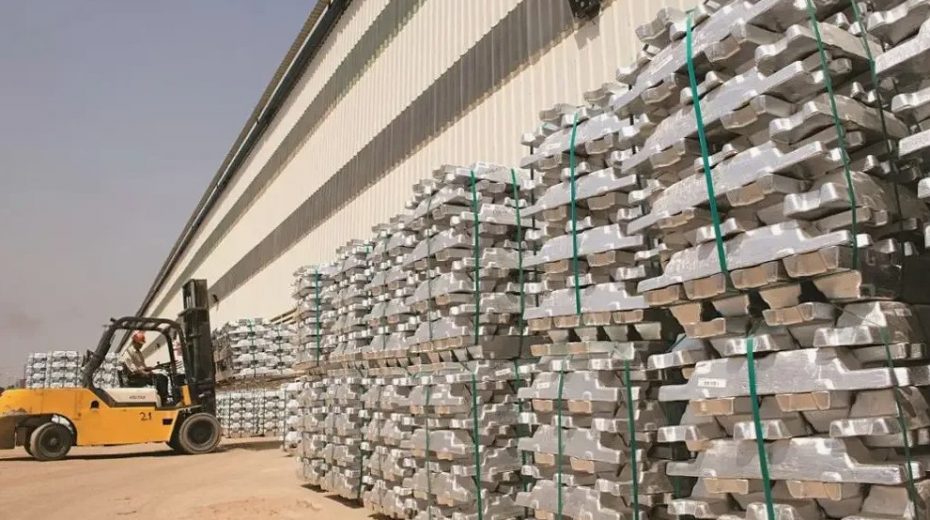
Aluminium prices have surged to heights not seen in almost four years, with local U.S. premiums reaching an unprecedented level above $1 per pound. This development is poised to benefit domestic producers such as Alcoa (NYSE: AA) and Century Aluminum (NASDAQ: CENX), alongside some international low-cost suppliers, while downstream industries and end consumers are feeling the effects.
Aluminum futures traded on the London Metal Exchange have climbed to levels not reached since April 2022, as part of a larger rally in base metals. Thanks to strong recent performance and ongoing positive outlooks, analysts are revising forecasts upward. Goldman Sachs now predicts an average price of $3,150 per ton in the first half of 2026, a rise from the previous $2,575 per ton, though still below current market prices.
As reported by Bloomberg, U.S. aluminum prices have increased more sharply compared to international prices throughout much of last year. Additionally, the regional premium for aluminum delivered to the U.S. surged beyond $1 per pound for the first time ever.
The American aluminum sector has entered a new dynamic, shaped by persistent high energy costs, plant shutdowns, ongoing trade tensions, and rising demand across multiple industries. While this situation aids individual producers, it poses substantial risks for the broader economy.
The downstream aluminum sector—which represents 98% of U.S. aluminum industry employment—is wrestling with rising costs, supply chain constraints, and price volatility. Key industries such as automotive, beverage, aerospace, construction, and packaging are already experiencing cost increases and diminished competitiveness. At the beginning of this shift, Alcoa CEO Bill Oplinger estimated that around 100,000 jobs could be at risk. The scale of these challenges could heavily influence the mid-term elections scheduled for November.
In reaction to elevated prices, companies are reducing production capacity, modifying products to use less aluminum, adopting alternatives such as steel or plastics, and shifting increased costs to consumers when feasible. This phenomenon affects a broad spectrum of products from food and home appliances to vehicles and construction materials. Therefore, American consumers should brace for higher costs, as manufacturer expenses due to rising aluminum prices are climbing by millions, according to industry expert Andy Home. Grocery prices are also expected to rise.
Within the global aluminum industry, benefits from these price developments are unevenly spread. Producers in the Middle East, who enjoy low-cost energy, have expanded their presence in recent years. They capitalize on the commodity price surge, securing strong profit margins that support further production growth and market penetration. Firms like Emirates Global Aluminium are expanding output capacity in 2026 mainly through recycling and investments, though growth in primary smelting is more limited. Saudi Arabia is targeting a spot among the top 10 global aluminum producers, having invested over US$12 billion in aluminum-specific ventures.
Chinese producers do not benefit directly from the U.S. premium but profit from the tight conditions in the global market. China exports semi-finished aluminum products (such as sheets and extrusions), and elevated international prices increase the profitability of these exports, while domestic prices often trade below LME benchmarks. Simultaneously, with minimal direct tariff impact, both Chinese and Middle Eastern producers gain from redirected supplies and sustained profitability amid worldwide supply deficits.
Market analysts and media frequently attribute the current market state to President Trump’s mid-2025 decision to raise aluminum tariffs to 50% across numerous products. However, it is important to recognize that many key developments leading to today’s situation were set in motion by earlier administrations.
Since the 1980s, soaring electricity costs have been the primary driver behind large-scale reductions in aluminum production capacity. Over the past 20 years, the number of smelters operating in the U.S. fell from 24 to only 4, as noted by the Aluminum Association.
During Trump’s first term, the largest global producer of primary aluminum at the time, UC RUSAL, was placed on the Treasury Department’s SDN list. This market disruption prompted the EU to appeal to Congress in favor of lifting sanctions on the Russian company. Following ownership and managerial changes, RUSAL was removed from the SDN list, helping restore balance to the market.
Since that time, Russian suppliers have been important sources of low-carbon aluminum to the U.S. market, while China rapidly expanded its domestic production to become the world leader. Amid recent geopolitical tensions, the Biden administration imposed a 200% tariff on Russian aluminum in 2023, which further strained supplies and negatively affected domestic downstream industries.
Despite these efforts, American producers have struggled to boost output and replace lost volumes. Consumers of aluminum have drawn down inventories drastically, shrinking from 750,000 tons at the start of 2025 to less than 300,000 tons, according to Harbor Aluminum and Wittsend Commodity Advisors.
Looking broadly at the industry, solutions for U.S. downstream businesses and consumers seem distant, likely requiring months or even years. Plans to increase domestic capacity or restart idle plants are in discussion. Century Aluminum’s Mt. Holly facility aims to reach full output by June, but will add only 50,000 tons—a drop in the bucket compared to the hundreds of thousands of tons needed to lower prices and premiums. Several promising greenfield projects remain several years away from producing metal.
Notably, despite being banned from U.S. and European markets, UC RUSAL continues producing roughly 4 million tons annually, with all aluminum boasting a low carbon footprint. This environmentally friendly metal is now being absorbed by China, fueling rapid growth in sectors like electric vehicles and renewable energy.
Considering the current geopolitical and economic landscape, along with diplomatic discussions between Washington and Moscow, a practical agreement may be within reach. Trump has expressed interest in a strategic partnership, highlighting his business-oriented mindset and focus on rare-earth metals. Such a partnership could include low-carbon aluminum critical for American high-tech, energy, and other industries, at least until domestic production scales up.
Which stock should you buy in your very next trade?
AI computing advances are reshaping stock markets. Investing.com’s ProPicks AI features numerous successful stock portfolios curated by advanced AI technology.
Year to date, two-thirds of global portfolios have outpaced benchmark indexes, with 88% showing gains. Our flagship Tech Titans strategy doubled the S&P 500 within 18 months, boasting standout performers like Super Micro Computer (+185%) and AppLovin (+157%).
Which stock is set to be the next big winner?
Original article: www.investing.com
About the Author