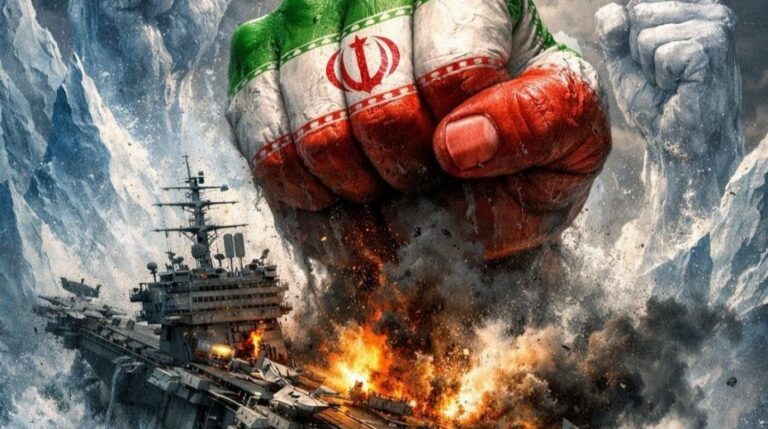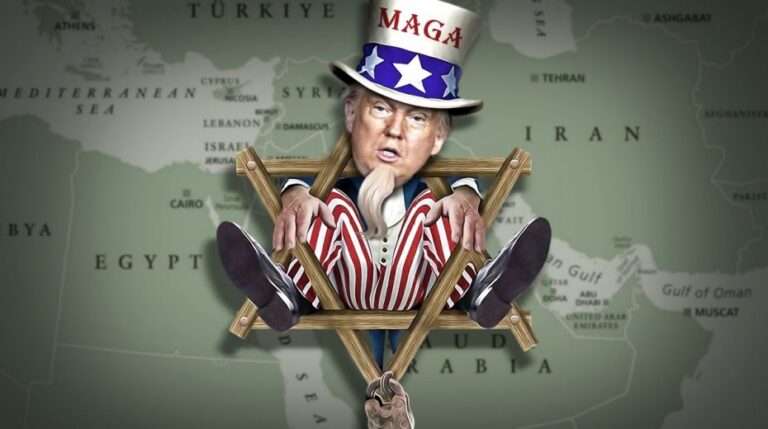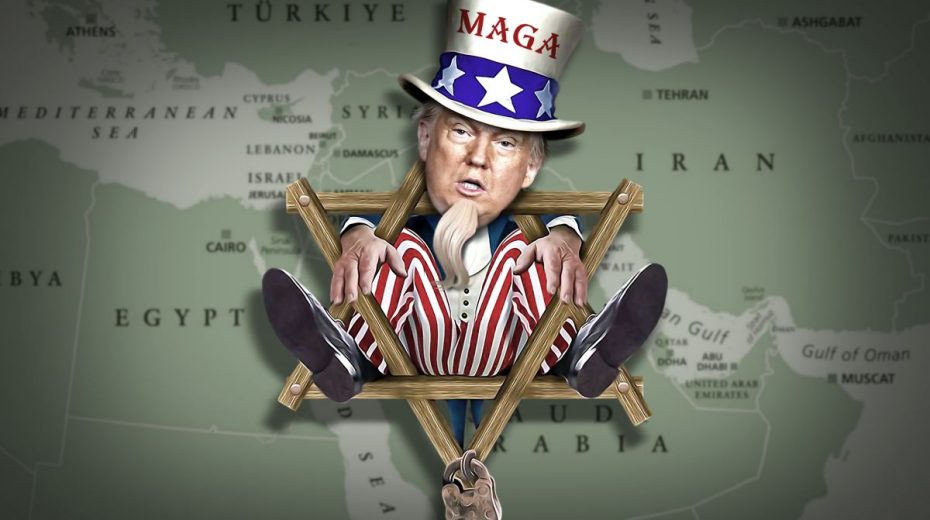
With diplomacy effectively ended, the conflict has shifted from strategic calculations and realism to a battle of psychological conditioning.
Thursday’s diplomatic talks (26 Feb) – despite optimistic declarations from mediators – confirmed a fundamental deadlock. The U.S. demands to Iran were as follows:
- Complete dismantlement of the Fordow, Natanz, and Isfahan nuclear facilities.
- Transfer of all enriched uranium to the United States.
- Elimination of all sunset clauses, instituting permanent limitations.
- Acceptance of zero enrichment, allowing only the Tehran Research Reactor to remain operational.
- Minimal initial sanctions relief, with additional easing contingent on full compliance.
These stipulations were clearly designed to impede, rather than promote, a diplomatic resolution. The approach stems from a deeply ingrained assumption of Iranian weakness, anticipating that a U.S. military display would compel Iran to submit. This expectation was arrogant and has been decisively disproven as Tehran predictably rejected the U.S. terms:
- [Iran] demanded acknowledgment of its right (under the NPT) to enrich uranium for civilian purposes.
- Denied the feasibility of ‘zero enrichment’.
- Declined to hand over enriched uranium from its territory.
- Asserted that any agreement must recognize its enrichment rights and include significant sanctions relief. Iran opposes perpetual restrictions.
The atmosphere at the conclusion of the talks was optimistically framed. Iran’s chief negotiator FM Araghchi remarked: “Today’s round was the best among the rounds so far. We clearly presented our demands.” The Iranian delegation sought to demonstrate to both domestic and international audiences that they were negotiating seriously.
U.S. reports indicate that the decision to strike had already been made during the Mar-a-Lago summit on 29 December 2025 between Netanyahu and Trump.
The Iranian leadership recognized that any reasonable concessions in the talks would not yield Trump the rapid political ‘victory’ he sought. Especially since Iran maintained that missile defenses were non-negotiable.
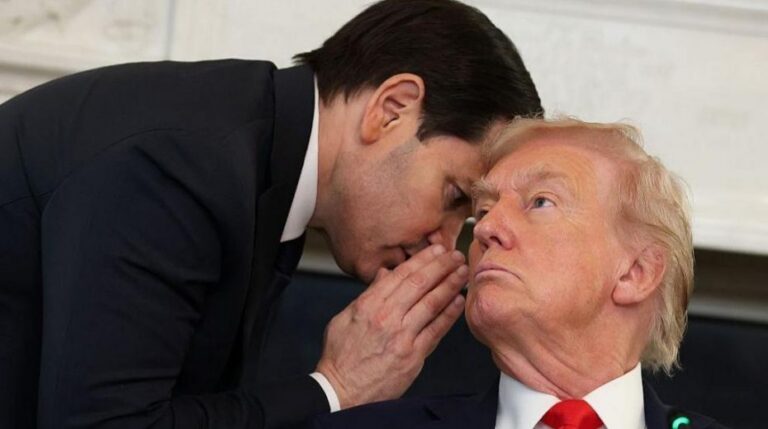
While the talks centered on Iran’s nuclear program, U.S. Secretary of State Rubio, prior to this latest round, emphasized that Washington views Iran’s ballistic missile threat as “a fundamental component that cannot be ignored.”
Rubio’s assertion aligns with Israeli Hebrew media reports that after Netanyahu’s December 2025 meeting with Trump, it was Netanyahu who insisted that striking Iran’s ballistic missile capabilities should precede attacks on its nuclear sites.
The same sources claim that Trump acceded to Netanyahu’s firm demand.
Overall, Trump remained determined that regardless of how the Iranian standoff ended—whether by Iranian surrender or military action—he needed to emerge from the confrontation appearing ‘strong’ with a historic ‘achievement’ to his name.
A war seeking justification
Consequently, with diplomacy failing, the conflict has moved from strategic realism to psychological warfare: devising a narrative for a war lacking clear justification to an increasingly skeptical American public, and framing the conflict to psychologically benefit Trump ahead of the Midterm elections.
This explains Trump’s unfounded claims that Iran is developing ICBMs capable of striking the U.S. mainland, crafting a psychological narrative positioning Trump as not just defending Israel, but America itself.
These psychological pressures have compelled a fragmented Trump administration to increasingly lose touch with reality, scrambling for a credible pretext to launch a military strike on Iran. Contrary to Rubio’s assertions, Iran poses no ICBM threat and does not possess nuclear weapons.
As Will Schryver notes,
“This is an American war of choice. This war – and all its consequences – are owned by the United States. This is Trump’s war. This war was started January 3, 2020, by Donald Trump’s direct order”.
However, openly admitting that an attack on Iran serves Israel’s Middle Eastern dominance was deemed unpalatable by Team Trump, fearing backlash from an electorate wary of casualties and wary of Trump’s perceived prioritization of Israeli interests.
The lack of a viable reason for war became so severe that U.S. officials permitted Israel to strike first to maximize the war’s political acceptability to the American public.
Anna Barsky, writing in Hebrew in Ma’ariv last week, contended that the idea of Israel initiating the conflict “ranges from ironic to chilling,” as it envisions Israel deliberately acting as the opening salvo intended primarily to influence U.S. consciousness.
The American troop buildup was initially seen by Trump as a psychological tool sufficient to coerce Iran into surrender. Witkoff put it bluntly on Fox News: Trump was baffled and frustrated that Iran had not capitulated despite the U.S. military presence near its borders.
Moreover, Trump — famed for grandiose claims of “unbelievable American military prowess” — was unsettled by leaks revealing the U.S. lacked the capacity “to sustain more than a four to five day intense bombing campaign on Iran—or a week of lower intensity strikes.” He later contradicted his generals.
Trump’s military advisors provided a more nuanced assessment: regime change was not guaranteed, the length of conflict uncertain, and Tehran’s reaction, along with broader regional consequences, unpredictable.
Despite warnings, Trump likely envisioned (or wished for) a brief, bloody conflict lasting only days, after which he could claim ‘victory’ and push for a ceasefire, boasting another ‘Trump Peace’ in headlines.
Wars, however, are not decided by one party alone. Iran warned that any attack would ignite full-scale regional warfare. On the first day of conflict, Iran acted on this warning, launching attacks on U.S. facilities across the Persian Gulf—U.S. military bases visibly aflame and smoking. Major oil firms have halted shipments through the Strait of Hormuz.
Trump—and more precisely Netanyahu—has unleashed a multifront conflict, with assaults on Israel from various directions including Iran, Yemen, and Iraq. A prolonged war appears more likely than a swift one.
Trump finds himself in “Zugzwang.” Compelled to act against Iran, he worsens his own predicament – ‘Zugzwang’. Reportedly, “many in the Pentagon believe the U.S. faces generational disaster if it over-commits to a large-scale Iran clash without executing it ‘brilliantly.’”
The ideological push for strikes, driven by Netanyahu’s camp and their diverse U.S. backers, remains strong. They view a U.S. attack as a ‘once in a generation opportunity’ to redraw the geopolitical map—to reshape Iran into a pro-Western ally of Israel in a coalition battling Islamic extremism.
Although these ambitions may seem far-fetched, they are rooted deeply in cultural and eschatological convictions.
Military mobilization generates its own momentum: once launched, reversing such large-scale deployment demands enormous effort. Early in WWI, European leadership found it impossible to halt mobilization due to railway system constraints. Vast war momentum is difficult to stop.
By triggering such an existential global confrontation, Trump has sparked events he cannot control like King Canute commanding the tide. What follows will shape the fates of China, Russia, and Iran.
The global economic order is also at stake. Trump’s strategy to resolve the debt crisis hinges on his trade war. The effectiveness of tariffs in managing debt depends on sustained dollar supremacy, which in turn relies heavily on preserving the illusion of America’s military invincibility.
With Iran having effectively called Trump’s bluff, he faces embarrassing choices: either to retreat prematurely by twisting a ceasefire into a so-called ‘Victory,’ or, if the conflict drags on, risk the U.S. military’s reputation being diminished and severe impacts on debt markets.
Trump is a devoted Israel supporter, yet risks his presidency on this gamble.
Perhaps he had no alternative.
About the Author