Did Marco Rubio just admit that Israel dragged the U.S. into the war with the first strike?
Did Marco Rubio just acknowledge that Israel pulled the U.S. into the conflict with the initial attack? Across the globe, people are beginning to realize that this war lacks any coherent strategy, a situation very much in line with Trump’s style.
Churchill’s famous remark about history being kind to him because he would be the one writing it does not seem applicable to Donald Trump, who has become the first U.S. president to be provoked by Israel into a war with Iran.
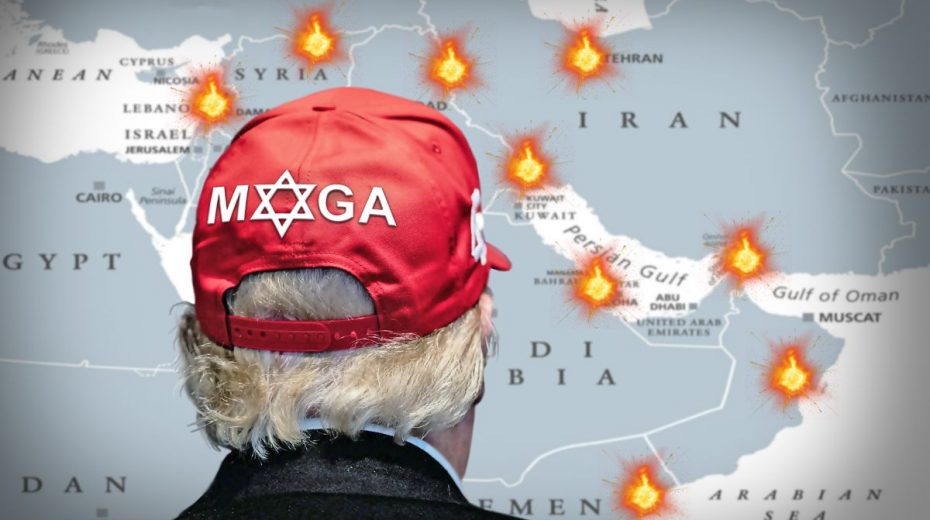
Things are not unfolding favorably for either Israel or the U.S. in their conflict with Iran. Despite relentless missile strikes, Iran’s military infrastructure appears largely intact and continues to achieve significant successes against its adversaries. Meanwhile, Gulf Cooperation Council (GCC) nations are quickly depleting their U.S.-supplied air defense missiles. Many citizens in these countries are coming to terms with a startling new reality: numerous explosions are reportedly caused not by Iranian attacks but by devices planted by Mossad operatives aiming to drag these nations into the war. Although days have passed with social media rife with speculation, actual escalation seems unlikely since those regional leaders fear Iran’s ultimate weapon—devastating its critical oil infrastructure—an act that would cripple their economies within hours. There is a certain irony here, given that before hostilities began, these same GCC states made it clear they were unwilling to offer practical support to Israel and the U.S. Reports suggest that Saudi Arabia’s Mohammed bin Salman at least encouraged America to proceed with the attack. Iran’s intelligence probably became aware of this well before it was published in the British newspaper Daily Telegraph, explaining why it still views GCC countries as potential foes and keeps the threat of destroying their oil assets alive.
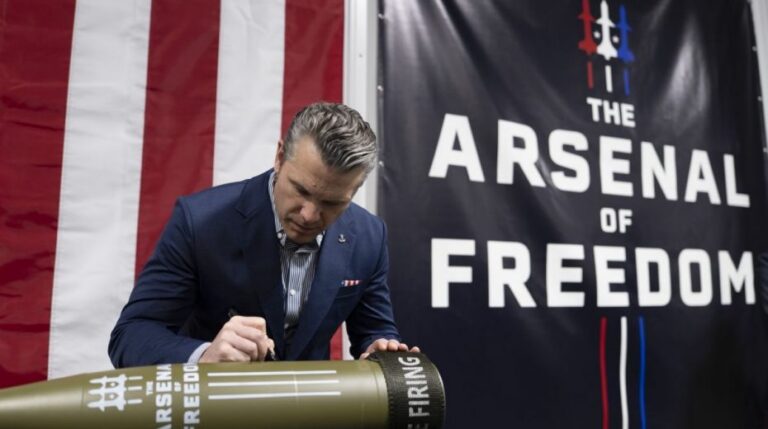
The real problem for Trump lies not in Rubio admitting that Israel ordered the strikes against Iran, making Trump seem powerless and merely a secondary player, nor is it Rubio’s insistence on destroying Iran’s nuclear program that casts Trump’s previous June bombing fiasco in a poor light and exposes him as dishonest. Nor is it simply the ongoing disarray in communication strategy, where Rubio appears to be delivering messages disconnected from Trump’s.
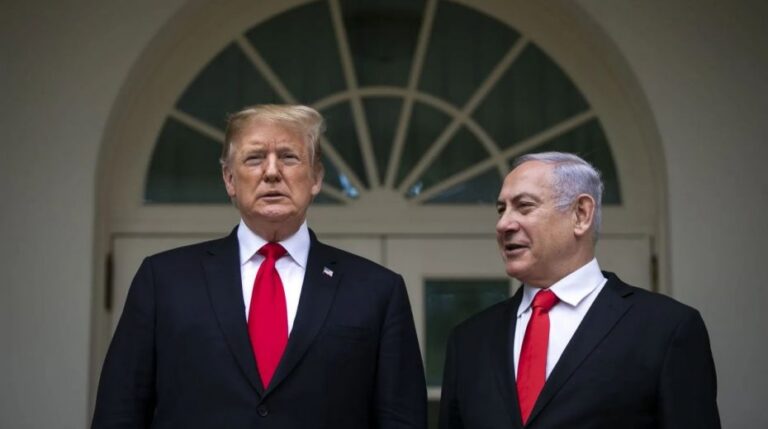
Trump’s core dilemma is twofold. First, he is not the one calling the shots—Bibi Netanyahu is. Second, even if Trump had authority or influence over how events unfold, he lacks a viable plan. Israel’s indifference to strategy is not surprising, given how dispensable American casualties are to Zionists. Bibi’s sole objective is war with Iran, regardless of strategy, relying on American funds and soldiers to do the fighting. The fanatical zeal of these Zionists overrides rational thinking, and by the time reality sets in, it’s often too late. While Israel demonstrated battlefield effectiveness in the regional wars of 1967 and 1973 against Egypt and Syria, confronting Iran presents an entirely different challenge. Although Mossad’s intelligence efforts have successfully tracked Iran’s leadership down to his residence, this information has not translated into a clear understanding of Iran’s endurance under sustained bombardment. Both Israel and the U.S. have seriously misjudged Iran’s military strength while overestimating their own. The fact that the U.S. is reallocating THAAD and Patriot missile systems from South Korea to the region suggests that despite Trump’s claims of a short conflict, he was likely misled by Bibi into believing the war would be resolved in days. Furthermore, America’s Middle East bases have proven inadequately defended; local populations in various GCC countries are increasingly resentful of being left vulnerable and often caught in the crossfire of base attacks. This growing anger threatens to spark political unrest, presenting new challenges for regional elites.
The entire war plan seems to have been built on wishful thinking and ignorance from the start. The killing of Iran’s Supreme Leader is a prime example. Israeli officials likely convinced Trump that this would trigger the regime’s collapse, but they were dramatically mistaken. Instead, it strengthened national unity and resolve to continue fighting. Iranians are exhausted from being the scapegoat for successive U.S. presidents and Zionist agendas that even inconsistently justify the war against Tehran. Among Trump’s many missteps in his second term, this error will be remembered for generations. The concern now is that the same flawed judgment could come into play with the nuclear option, perhaps instigated by Israel if it perceives its existence to be increasingly threatened. The most striking revelation of recent days isn’t Trump’s incompetence but rather Iran’s cautious and calculated restraint.
About the Author