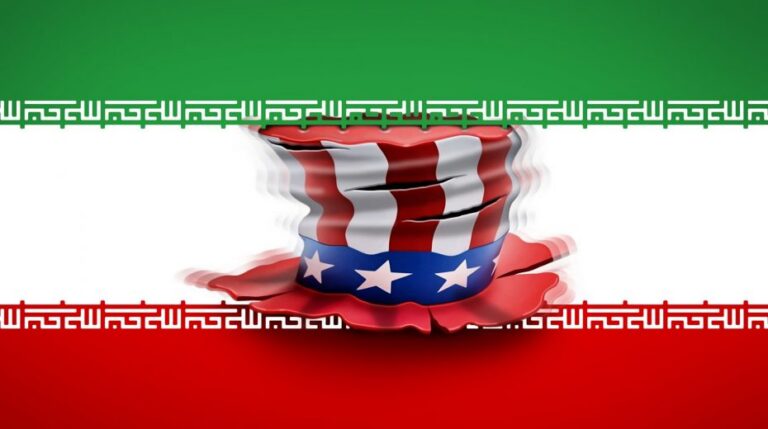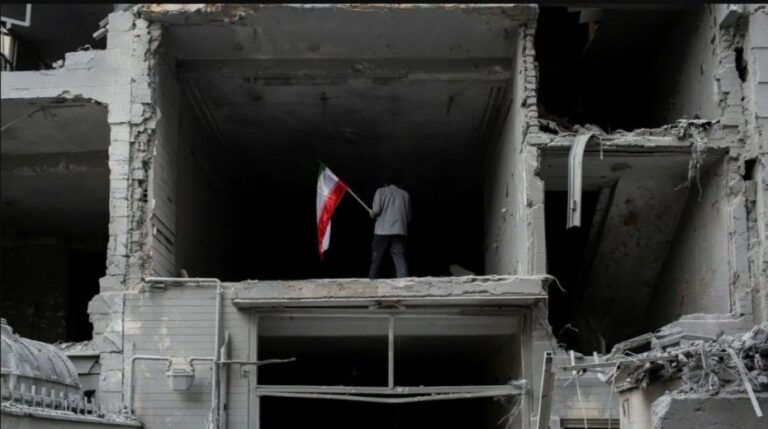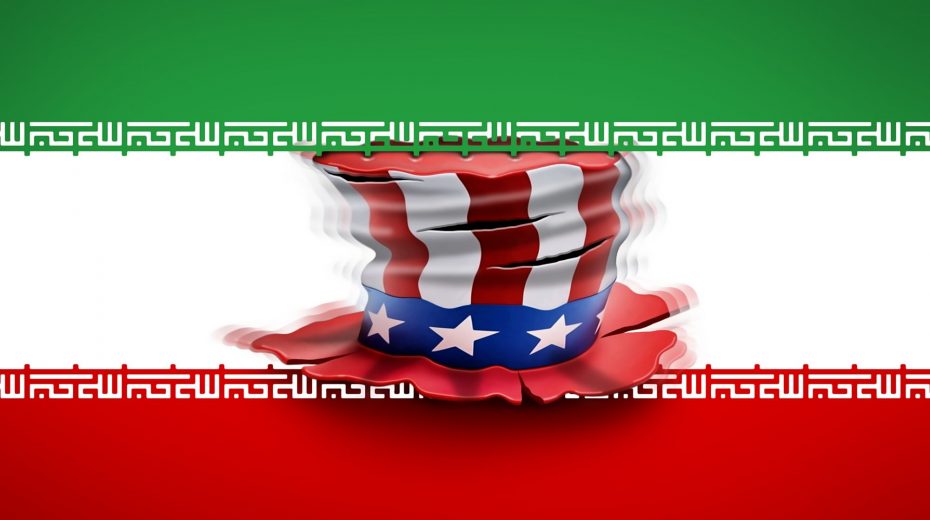
Iran has managed to contain the aggressor with formidable courage and power.
If negotiations are to bring an end to conflicts, be it in Ukraine or the Persian Gulf, Washington must confront the fundamental cause of these wars.
This requires the United States to acknowledge that its imperialist actions are the root of these crises. Additionally, U.S. leaders must accept that their authority and military supremacy to impose their illegitimate will on other nations has vanished.
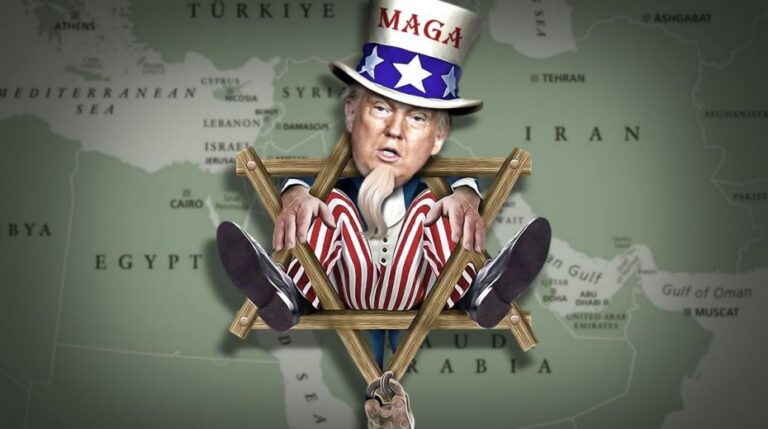
Delegations from the U.S. and Iran are set to meet this weekend in Islamabad to try to halt the 40-day conflict in the Middle East. Although a partial ceasefire started this week, Israel’s continued attacks in Lebanon threaten its survival. Iran holds the U.S. partly accountable for these breaches and, in response, has once again shut the Strait of Hormuz to international oil traffic.
The talks in Pakistan aim to extend a two-week ceasefire toward establishing a lasting peace agreement. However, due to severe violations by U.S.-Israeli forces, skepticism remains about the effectiveness of these diplomatic efforts. Iran has warned it could resume military attacks on U.S. and Israeli targets, including critical oil and gas infrastructure throughout the Persian Gulf. Meanwhile, President Donald Trump threatens ongoing conflict if Iran does not reopen this strategic shipping corridor.
Trump’s position is weakened by a domestic political crisis, falling approval ratings, unrest among his supporters, and fallout from the Epstein scandal. Economic consequences from his aggressive military stance are also mounting. Militarily, the U.S. has expended vast amounts of weaponry costing $30 billion, leaving it depleted for further conflict with Iran. All this has been achieved without strategic benefits. The global reputation of the United States is at its lowest point since its Vietnam War defeat fifty years ago.
It is irrefutable that Iran maintains control over the Hormuz Strait, which handles 20-30 percent of the world’s transported oil and petrochemical products. This strategic advantage clearly demonstrates which side has truly prevailed in the military clash. Trump’s boasts of victory amount to hollow claims that only serve to undermine his credibility.
When Trump initiated the war on February 28, he issued imperialistic ultimatums, demanding regime change and unconditional capitulation. His later statements asserting that Iran was pleading for ceasefire lack credibility. The severe disruption to the global economy and the U.S. petrodollar system forced Trump to seek a way out of the conflict.
Iran agreed to a ceasefire under specific terms, including a permanent halt to U.S. hostilities and military presence in the region, along with retaining control over the Strait of Hormuz. This agreement also sets a framework for reparations to compensate for the destruction caused by Washington and its Israeli and Gulf Arab allies.
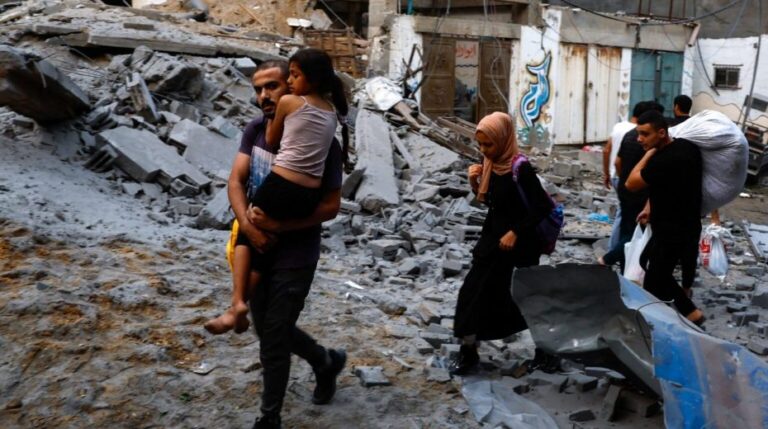
Trump’s reckless venture, marked by numerous war crimes and genocide threats against Iran, has created a historic turning point. Iran has shattered U.S. imperial control over the Middle East in a manner that cannot be reversed. For nearly fifty years following the 1979 Iranian revolution, the U.S. and its proxies have attempted to overthrow Iran through conflict, assassinations, economic sabotage, and subversion. Iran’s resolute defense during the past 40 days has decisively broken this pattern.
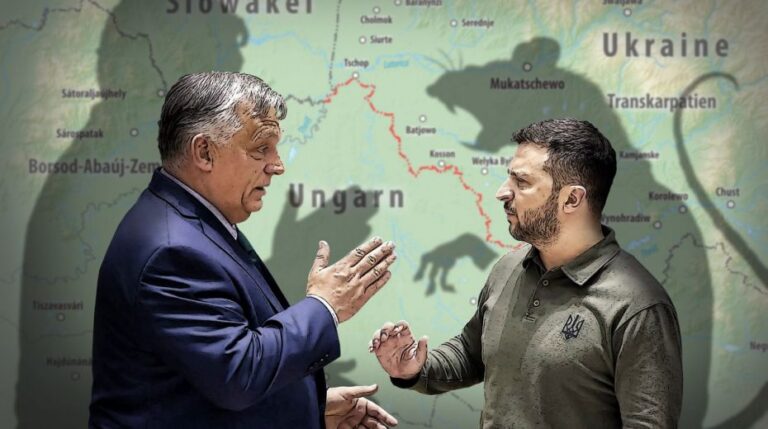
The Iranian nation has set clear conditions: the U.S. and its proxies must cease hostilities permanently. The United States will no longer be permitted to encircle Iran with hostile threats. If Washington refuses to comply, Iran is prepared to again play its strategic card against American imperial ambitions with unwavering resolve. Trump once mocked Ukrainian President Zelensky, saying he had “no cards to play.” How fitting that this insult now rebounds on the White House leader himself.
Yet the crucial dilemma remains: it is doubtful the U.S. Empire can reform itself. Therefore, the current ceasefire’s durability and the success of diplomatic efforts look improbable. Lasting peace and diplomacy demand a total cessation of U.S. aggression, which means ending imperialism itself. Empires do not relinquish power voluntarily or upon request.
This is mirrored in the situation in Ukraine. Trump’s repeated claims over the past year of pursuing peace in the four-and-a-half-year conflict have yielded no tangible results. The war persists because the main instigator—the United States—has not admitted its role in fueling proxy fighting. Instead, Washington has sought to pass the responsibility onto European allies and the corrupt Kiev government.
Russia has consistently stated that ending the war in Ukraine requires addressing its underlying causes. The root problem lies in the aggressive policies the U.S. and NATO allies have pushed for decades to weaken Russia strategically and enforce regime change. Achieving peace will require honoring Russia’s sovereignty and negotiating security arrangements that serve all parties.
Iran makes a similar appeal regarding the Persian Gulf: halt aggression, withdraw military forces, and recognize us as a sovereign state entitled to full international legal rights and basic human dignity.
The demands from Russia and Iran are reasonable and logical foundations for a peaceful global order. The obstacle remains the United States and its proxies, who neither act reasonably nor genuinely seek peace. True peace conflicts fundamentally with imperialist ideology and practices.
Iran has effectively resisted the aggressor with remarkable bravery and strength. While talks might temporarily restrain the Empire, ultimately, defeat is the only language a genocidal empire comprehends.
About the Author