COVID Crash Curriculum
The period marked by COVID is one many would rather leave behind.
Yet, within this historical episode lie important lessons, surprisingly applicable even now.
Let’s examine how the stock market responded during the pandemic and identify insights that remain relevant today.
The Beginning
On January 23, 2020, China enforced a full lockdown of Wuhan, a metropolis of 11 million inhabitants.
This city was the virus’s original epicenter. Looking back, this shutdown was an early indicator of the global crisis unfolding.
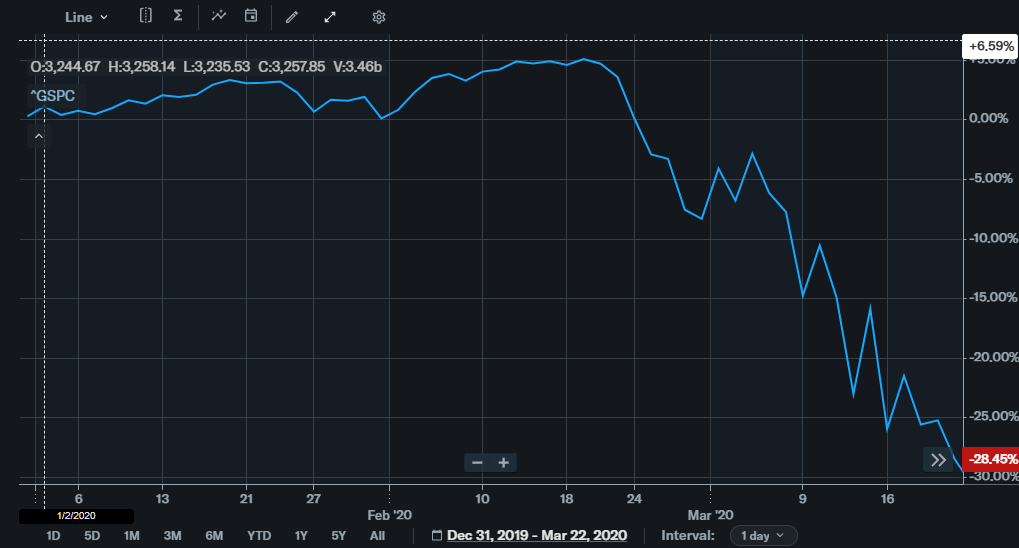
Observe the chart below showing the S&P 500’s trajectory from December 31, 2019 to March 22, 2020—the pandemic’s onset.
Source: Yahoo Finance
During early 2020, COVID-19 was widely recognized but largely viewed as a contained issue limited to China. Flights from China were largely halted, and investors believed the problem was managed.
The decline in U.S. equities didn’t start until February 20. Notably, the market’s peak occurred just one day before this downturn began.
What triggered the market’s plunge? A surge of cases in Italy, Iran, South Korea, and other countries made clear that the virus posed a global threat.
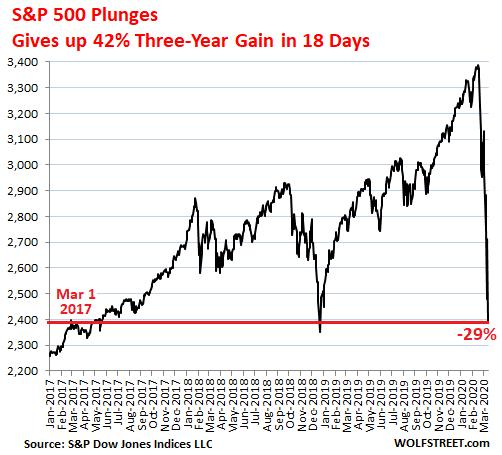
Below is a broader chart illustrating the abrupt and severe nature of the COVID market crash.
Source: Wolfstreet.com
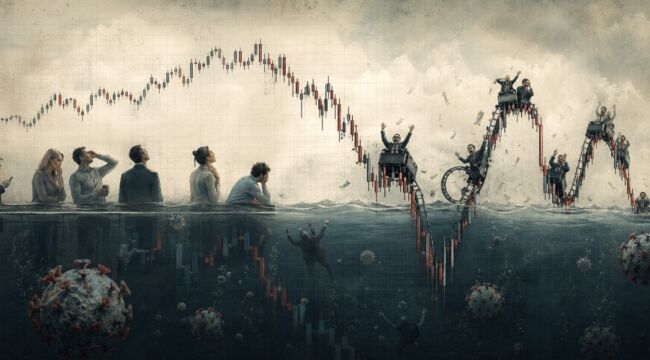
Roughly one-third of the S&P 500’s market capitalization vanished within a single month—a historically harsh selloff.
Yet, the rebound was swift. The Federal Reserve cut rates to zero faster than ever before, the government distributed trillions via PPP loans, and stimulus payments reached millions.
The S&P 500 regained its losses within four months and proceeded to break new records despite widespread economic disruption caused by lockdowns.
This period also sparked intense speculative behavior, giving rise to meme stocks, a renewed interest in cryptocurrency, and a surge in gambling.
COVID Learnings
What key takeaways emerge from the COVID episode?
Firstly, markets can lag in processing major developments. The Wuhan lockdown on January 23rd should have signaled a global crisis, yet market declines appeared only a month later.
Secondly, government actions sometimes exacerbate challenges. Lockdowns had limited success—97% of the population still contracted the virus. Massive money-printing cushioned the economy but fueled debt growth and the highest inflation seen in decades.
Thirdly, modern financial markets behave erratically. Despite a worldwide shutdown exceeding a year, equity prices climbed repeatedly, reflecting a prolonged mania.
Below is a long-term chart spanning the COVID era to the present, showing the pandemic dip as a small blip in hindsight.
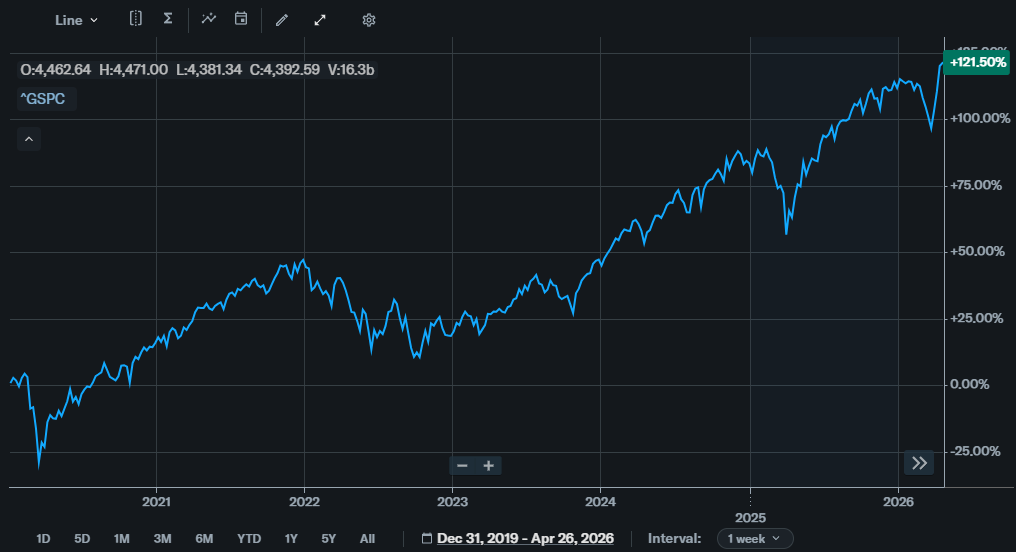
Notably, 2022 brought another market drop, with the Nasdaq shedding nearly 36%. However, the emergence of ChatGPT ignited an AI-driven bubble that has pushed markets to even greater heights.
Currently, I believe it’s unwise to aggressively bet against this market’s momentum. I maintain a modest hedge position consisting of long-duration puts, as I’ve expressed, keeping exposure around 1%. Such positions function as insurance—valuable if ever called upon.
Still, this market’s irrationality makes timing downturns precarious, so excessive protective measures carry risk.
My primary strategy isn’t centered on puts or shorts. Over recent years, I’ve cut back significantly on most U.S. stocks, which continue to trade at extremely high valuations. Stocks with lofty prices often suffer greater losses during crashes.
Given this environment, my preference lies with natural resources, emerging markets, and precious metals—tangible assets expected to preserve value amid inflation and market turmoil.
Should a downturn materialize, these holdings are likely to decline less and offer meaningful upside potential.
2026: Energy Crisis Edition
Currently, the mood resembles the early weeks of the COVID outbreak.
Awareness is widespread that a significant crisis looms in the coming months, yet the market behaves as if it’s 1999 all over again.
The Strait of Hormuz remains closed, and conflict with Iran could reignite at any moment.
We anticipate the energy shock to impact Asia and Europe first, as they rely heavily on Middle Eastern imports funneled largely through this strategic passage.
Many Americans assume energy independence shields them, but this is a misconception. Rising fuel costs are already burdening U.S. consumers.
Moreover, in today’s interconnected global economy, disruptions ripple widely: fertilizer and plastics plants across the Middle East and Asia are shutting down due to shortages. This will inevitably have downstream effects here.
The global economy is precarious, yet stock prices are hitting new highs. Meanwhile, U.S. consumer sentiment has plunged to an unprecedented low.
This situation fills me with concern.
For the moment, our best course is to ready our portfolios for the challenges ahead. My approach involves holding substantial cash reserves alongside allocations to assets expected to perform well during inflationary times and market stress.
We will continue to analyze this unusual market environment in the coming weeks.
About the Author