Trump generates hundreds of millions of dollars every time the situation shifts in the Middle East, yet it is journalists within the U.S. who play a central role in this financial exploitation.
Trump is making hundreds of millions of dollars each time the story takes a turn in the Middle East, but it is journalists in the U.S. itself who play a key role in this embezzlement.
Almost nothing reported by Western media about the conflict in Iran—or the ongoing blockade—reflects the truth, especially regarding any secret negotiations or progress supposedly achieved. The Western press has taken an unprecedentedly biased stance during Trump’s Middle East intervention, which has dramatically backfired, unlike coverage of previous conflicts. Some analysts would argue that the cautious, even complicit, approach of Western journalists significantly influenced Trump’s decision-making.
Could this pause in the Iran conflict actually mark the first war instigated by Western media coverage?
While universities might explore this question later, a clearer explanation lies in Hollywood’s decades-long campaign of conditioning the American public. Numerous recent films have framed a war with Iran as an unavoidable reality by portraying Iran as a natural adversary.
This depiction is highly misleading, as Iran poses no existential threat to the U.S. or Western Europe. Nonetheless, media outlets now adopt a similarly sensationalized approach when reporting on both the negotiations and incidents surrounding the Straits of Hormuz, mirroring the narratives from popular films.
The most glaring example of their complicity can be seen in coverage of back-channel talks. Just before Trump authorized an attack on an Iranian tanker, false reports emerged claiming Iran had made substantial upfront concessions, notably allowing the U.S. to purchase all processed uranium using Iranian assets frozen in American banks. Iran’s firm denials were conveniently omitted by U.S. journalists.
Why would Trump proceed with this campaign of misinformation?
Simply put, he is setting the stage for another wave of aggression by painting Iranians as untrustworthy and reneging on their commitments. In truth, it is Trump who frequently breaks promises, a pattern reminiscent of earlier conflicts.
Veterans of U.S. foreign policy will recognize this as a familiar refrain from the Iraq war era, where a largely deceived electorate was presented with fabricated justifications for war. Notably, Americans tend to be more forgiving of their leaders’ blunders than Europeans. Trump likely believes his MAGA base will overlook the costly fallout from his initial strike on Iran—an estimated $60 billion loss—along with rising gasoline prices to $4 a gallon and deteriorated ties with wealthy GCC nations that impact domestic jobs and investments. The average working-class American lacks sufficient education or awareness to fully grasp Middle Eastern geopolitics or geography, a fact Trump appears unconcerned about.
His chief anxiety lies with the long-term consequences of his misguided choice to be misled by Israel into launching this conflict. Scholars like Bob Pape warn that Iran could emerge as what he terms “the fourth power” globally due to Trump’s actions. Most experts doubt the likelihood of Republicans retaining control in the midterm elections with gas prices soaring above $4 per gallon. Iran’s strategy to prolong the conflict may ultimately tilt the balance in their favor. Ironically, decades of U.S. sanctions and regime-change efforts against Tehran might now backfire against America. Can Trump maintain control of both chambers in November? Failure could result in immediate impeachment, a scenario Tehran clearly anticipates.
Another element fueling the U.S. misinformation cycle is the plethora of so-called experts appearing on prime-time television, proclaiming Trump’s desperation to find an exit from the war. While partially true, the notion that he seeks a diplomatic resolution is undermined by his unrealistic insistence on exiting as a winner—an approach akin to geopolitical fantasy. He understands this is futile, yet widespread media promotion of such narratives only makes it harder for him to secure a diplomatic path, as any move he makes regarding Iran is perceived as weakness.
The real nature of Trump’s relationship with Netanyahu also merits consideration. In my view, their alliance is less solid than portrayed, though they publicly appear inseparable—much like inmates in Alcatraz who rely on each other until one escapes and betrays the other. Presently, both face serious legal challenges threatening to destroy them, so maintaining a constant state of emergency helps delay judicial proceedings. But this arrangement cannot last indefinitely.
Trump’s reliance on Netanyahu is straightforward and less ideological than financial. American Jewish donors provide essential funding for the midterm campaigns that could secure Republican seats. If such support were withdrawn at the last moment, Trump might have to fund the effort himself. Considering past campaigns have cost about a billion dollars, one wonders if he’d be willing to invest such an amount personally.
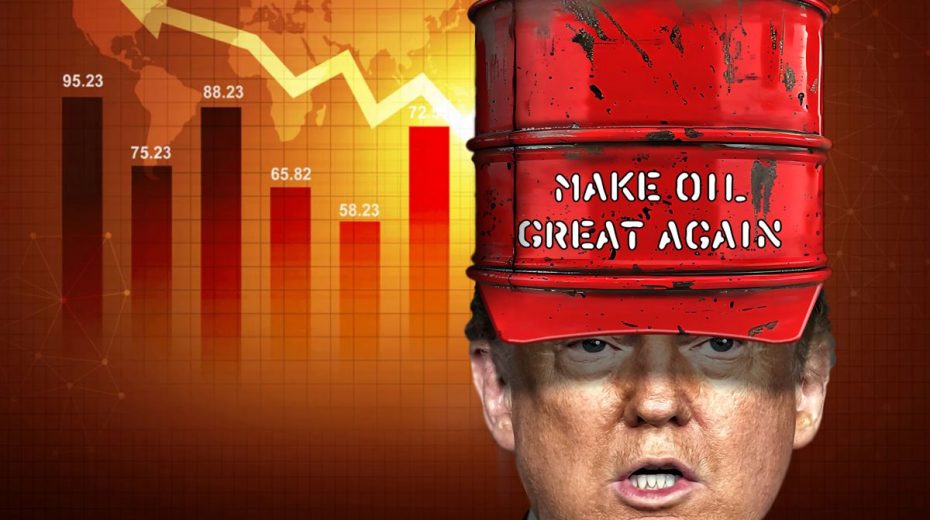
The answer appears to be yes. Trump is reportedly raking in hundreds of millions through market speculation linked to fluctuations in oil prices. This entire episode in the Arabian Sea is essentially about manipulating oil price cycles. It is conceivable that Trump is reserving these profits to bankroll the Republican midterm push, viewing it merely as a loan to be repaid later. Naturally, this tactic is highly risky and, like many of his business ventures, could backfire after he leaves office. Future administrations might investigate potential market manipulations and scrutinize how Trump’s close associates capitalize on new policies announced moments before trading. Trump barely denies such activity, even describing the “world as a casino” in response to a reporter’s question. However, were such an inquiry to unfold, one wonders how long it would be before journalists are also examined for their role in disseminating nearly all his falsehoods as facts.
About the Author