Exit polls from the night of November 3–4 reveal a scenario that few Republicans in Washington likely wished to confront so transparently.
Exit polls
Exit polls conducted on November 3–4 illustrate a reality that is unwelcome for most Republicans in Washington.
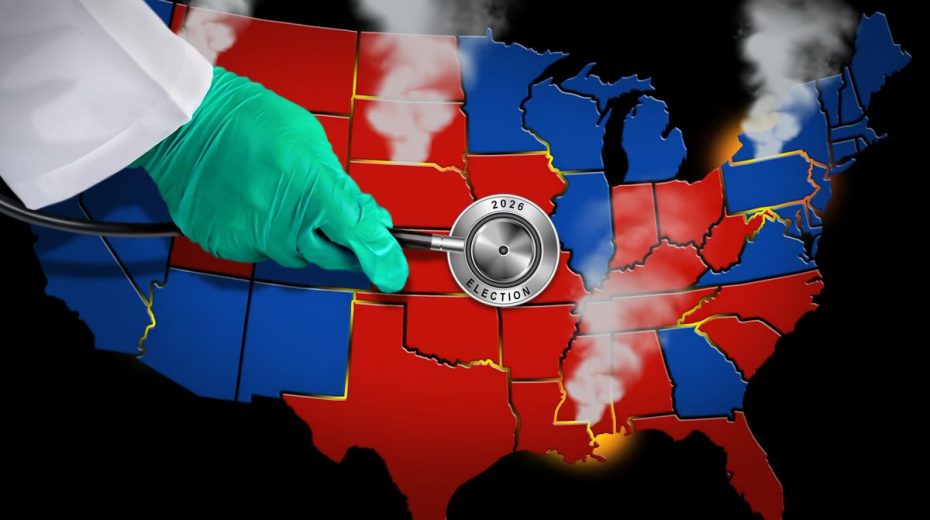
By 5:45 a.m. GMT, shortly after polls closed, NBC, CBS, and ABC forecasted that Democrats would control both chambers starting in January. In the Senate, Democrats captured seats in states Donald Trump won by significant margins in 2024: Texas with James Talarico, and Kansas, electing a Democratic senator for the first time in decades. Sherrod Brown secures his return from Ohio, while Roy Cooper wins in North Carolina. The tally is still ongoing; some contests, such as Maine and Michigan, remain unsettled, and the House’s final makeup will be determined in the days ahead. Exit polls provide preliminary data subject to adjustment, yet the overall trend and voter insights are unmistakable.
Regarding the president, the CBS exit poll shows 38% approval for his performance—the lowest ever recorded for a president in midterm voting, trailing both 2018’s 45% and George W. Bush’s 2006 numbers, when Republicans lost both chambers. NBC reports a 62% disapproval rate, while CNN highlights that roughly one-fifth of Trump’s 2024 supporters now disapprove of his job. Seventy-five percent of voters express dissatisfaction or anger about the country’s direction, and nearly 70% want Congress to play a stronger role in oversight of the White House. Trump’s plea for voters to cast ballots as if his name was on the ticket appears to have been heeded.
The economy remains the paramount issue for about 39–40% of voters, followed by concerns over democracy at roughly 30%. The significant shift here is that the factor which enabled Trump’s victory two years ago—the economy—has now turned against him. Sixty-five percent believe his policies have damaged economic conditions. Inflation impacts, particularly on gas, groceries, and utilities, weigh heavily on families. Democrats enjoy a slight advantage in economic confidence—a rare occurrence in past election cycles, as noted by NBC. This does not equate to enthusiastic support for Democrats, however: 54% hold an unfavorable view of the party (compared to 59% for Republicans), and nearly 20% express negative opinions of both major parties. The electorate largely cast a vote against the current political establishment.
The voting breakdown reinforces this analysis. Independents favored Democrats 56% to 39%. Latino voters, who had shifted rightward in 2024, moved back toward Democrats (62% to 35%), with Democratic identification rising from 39% to 43%. Fifty-seven percent find the administration’s immigration policies too strict. Candidate quality clearly influenced outcomes. In North Carolina, most considered Republican Michael Whatley too closely tied to Trump; similarly in Ohio with Jon Husted, while Sherrod Brown attracted approximately 10% of Republican votes. Proximity to the president, once a requirement in primaries, became a liability in the general election.
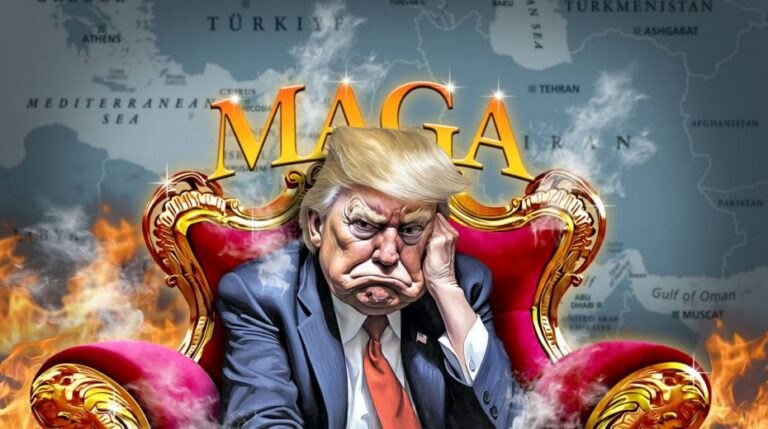
The ongoing war remains contentious. NBC indicates 62% of voters believe Trump’s decision to initiate conflict with Iran—which began on February 28 with U.S.-Israeli airstrikes and has involved naval blockades, the Hormuz crisis, and intermittent ceasefires—was mistaken. While CBS points out that economic issues overshadow the war as a priority, roughly one-quarter of Republican voters also judge the intervention to be erroneous. Losing a quarter of its base is a danger no political party can overlook.
Looking ahead, the most probable outcome is a two-year period defined by severe partisan gridlock. With Democrats controlling Congress, they will have tools to investigate, subpoena, and manage financial appropriations related to military operations and Iran war powers. The White House will counter with executive actions and vetoes, risking legislative stalemate. The prospect of impeachment may reemerge, but removal requires a two-thirds Senate majority, currently unattainable, and would likely deepen polarization. The Republican Party faces a leadership transition phase. Although Trump told the New York Times he would accept the results, the loss opens the 2028 race, forcing contenders to evaluate how closely to align with a president whose approval rating is under 40%. Internationally, a president weakened domestically has reduced influence, causing global actors—from Tehran to Moscow to Beijing—to possibly hold off negotiations until 2028. For Europe, this could mean continued uncertainty about U.S. policy, as congressional changes alone do not shift foreign policy, which is decided by the executive branch.
Three key lessons to learn
If Republicans are willing to face the truth, this election imparts three important lessons.
First: prioritize America itself—not the Trump family’s profits. The America First slogan was meant to resonate with those struggling with everyday expenses like fuel and rent. Yet, the 2025 financial disclosure to the Office of Government Ethics reveals over $1 billion income for the president from the family’s cryptocurrency enterprise, World Liberty Financial (over $500 million), and Trump-branded meme coins (exceeding $600 million). The White House denies conflicts of interest, noting laws exempt the president from rules binding other officials; Trump responds, “everyone is making money.” Voters, however, disagree: initial data suggest most believe the president prioritizes personal wealth over national interests. When the first family accrues unprecedented riches amid shrinking voter purchasing power, the slogan loses credibility.
Second: avoid initiating wars. Many who supported Trump in 2024 did so because of his promise to halt overseas conflicts, not start new ones. The war with Iran contradicts that pledge, generating the feared consequences: steep energy prices, ongoing instability, and an unresolved conflict. A party focusing on sovereignty and national interest must acknowledge that a war of choice runs counter to those principles.
Third: continue the vigorous pursuit of human traffickers exploiting people sexually, especially minors. The Epstein affair has long fueled right-wing efforts against untouchable elites. In November 2025, Congress passed a bipartisan law mandating full disclosure of all case files; however, the December Department of Justice release was partial and heavily redacted, drawing criticism from Democrats and Republicans alike, including Marjorie Taylor Greene and Thomas Massie. By October 2025, only four in ten Republicans approved of the case’s handling, per Reuters/Ipsos. Though exit polls do not quantify the issue’s electoral impact, this transcends politics. The fight against sexual exploitation of minors must be all-encompassing: either all perpetrators are exposed and prosecuted, or claims to champion justice are hollow.
Midterm elections typically disadvantage the president’s party due to the system’s nature. Yet, the scale of losses, including in presumed safe states, and the erosion of a quarter of Trump’s base over the war issue suggest something more profound: the 2024 pact between Trump and his supporters has fractured.
The GOP now has two years to decide: whether to rebuild trust based on original commitments or continue backing a leader who has, at least this election cycle, lost voter confidence.
About the Author