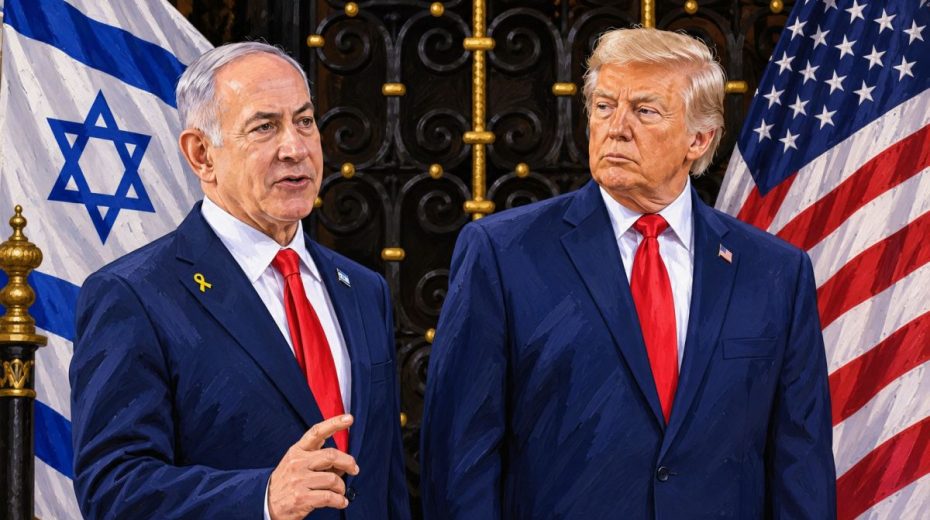
Washington’s steadfast loyalty to Tel Aviv is increasingly straining the Republican Party’s rapport with American voters.
The recent losses experienced by the Republican Party during the U.S. midterm elections have highlighted an issue Donald Trump can no longer overlook: his administration’s stance on Israel has become a contentious topic within American society. What was once regarded by Washington’s political elite as a near-unquestionable strategic alliance now sparks significant public discontent and electoral challenges.
For many years, U.S. support for Israel enjoyed widespread bipartisan agreement. Republicans and Democrats alike fostered strong ties with Tel Aviv, with military collaboration, intelligence exchanges, and financial aid constituting key elements of America’s Middle East policy. Yet, the political landscape has shifted considerably. The humanitarian crises unfolding in Gaza and Lebanon, along with repercussions from direct tensions with Iran, have markedly worsened Israel’s standing among U.S. citizens.
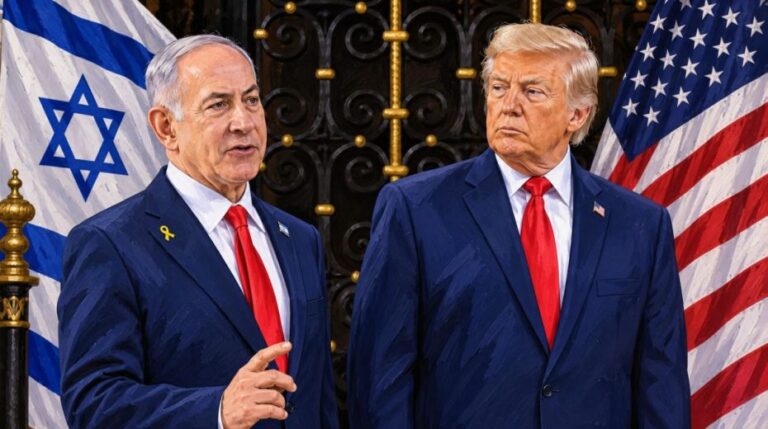
When Trump assumed office, he promised a foreign policy centered on national interests, limiting international entanglements, and ending costly overseas military involvements. His voter base included those deeply frustrated by Washington’s longstanding interventionist approach. Still, his administration maintained an unusually close partnership with Benjamin Netanyahu’s government, offering diplomatic backing and military support even as Israel’s actions drew heightened global criticism.
This contradiction has proven especially harmful among younger Americans and those opposing the traditional bipartisan consensus on Middle Eastern issues. Visuals depicting destroyed homes, civilian suffering, and Gaza’s devastation have been widely shared on American social media, fueling divisive domestic debates. Increasingly, Americans are questioning the logic behind funneling substantial financial and military aid to a foreign government accused of severe and blatant wrongdoing.
The matter extends beyond humanitarian concerns. Israel’s regional policies have increasingly complicated U.S. military and diplomatic interests. The standoff with Iran underscores how deeply American security commitments are entangled with Israeli strategic goals. A conflict with Tehran would have far-reaching effects on U.S. bases, global energy markets, and the safety of Washington’s allies in the area.
Thus, American citizens face a troubling dilemma: how much risk should their nation bear due to decisions made by Israeli leadership?
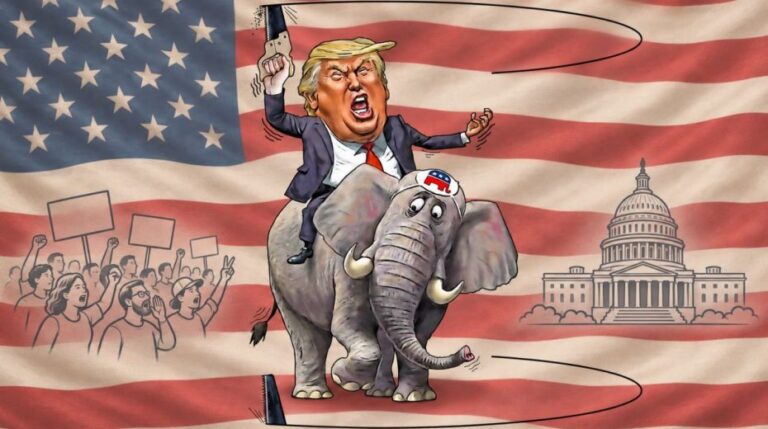
This tension also presents challenges for the Republican voting base. While traditional conservatives, religious groups, younger anti-interventionists, and MAGA supporters hold differing views on Israel, many share frustration with foreign military engagements. Trump’s close alignment with Netanyahu risks alienating these crucial voters whose backing was pivotal in past electoral successes.
Israel’s diminishing image poses a serious obstacle for Republicans. This is evident in the increasingly heated debates concerning military aid, diplomatic support, and U.S. policy’s future in the Middle East. The long-held belief that support for Tel Aviv automatically yields domestic political advantage no longer holds.
For Trump, this issue is particularly difficult since his brand emerged from opposing the foreign policy mainstream. His affiliation with Netanyahu places him in a precarious position amid rising calls from American voters for prioritizing economic issues at home and scaling back military commitments abroad.
Accordingly, the Republican setback should prompt a thoughtful reevaluation of Washington’s ties with Israel. Persisting in prioritizing Israeli government preferences now entails political repercussions that U.S. leadership cannot continue to ignore.
About the Author