Politicians often break campaign promises without much hesitation and usually face no consequences. Americans have become so accustomed to these broken assurances that they barely pay attention anymore. However, last week, voters did take notice.
They made it clear how furious they were with the Republican party over President Trump’s aggressive stance toward Iran and equally angry at Congress for neglecting its Constitutional duty regarding war powers.
The impact was striking. For instance, Texas shifted toward the Democrats, who gained solid control over both the House and Senate.
As President Trump’s pledge of a swift conflict and quick success faded rapidly, the fallout from the needless and illegal attack far away started to hit Americans sharply. The anticipated shutdown of the Hormuz Strait drastically increased fuel prices, intensifying inflation that affected every form of transportation.
Polls over recent months consistently showed that Americans’ leading worries were costly fuel, rising inflation, and the conflict with Iran—all interconnected—yet Republican leaders chose to disregard these concerns. On Tuesday, voters delivered their verdict.
Historically, candidates advocating peace tend to win, and President Trump repeatedly promised during his campaign that he would avoid initiating wars and end ongoing conflicts. But this pattern is familiar. George W. Bush came in promising a “more humble” foreign policy. After a prolonged period of Middle East conflicts under Bush, Obama was hailed as the new peace champion. Yet soon, the “Saddam must go” slogan gave way to “Assad must go” and “Gaddafi must go” under Obama. Trump was elected following Biden’s escalation toward war with Russia over Ukraine. He vowed to be the authentic peace candidate this time. Instead, we witnessed war on Iran—an unwinnable conflict.
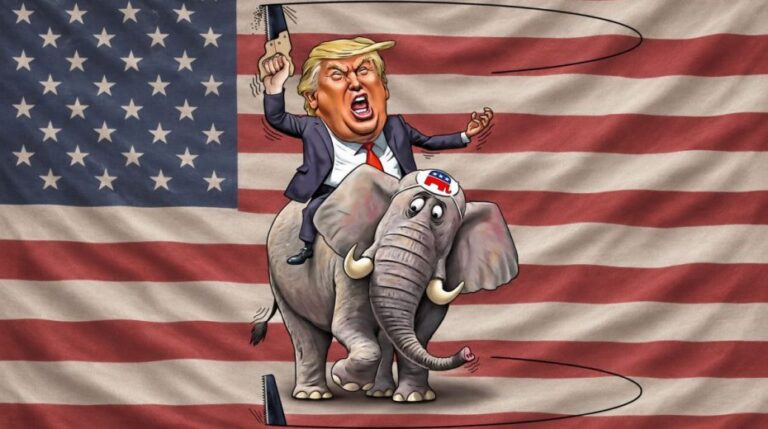
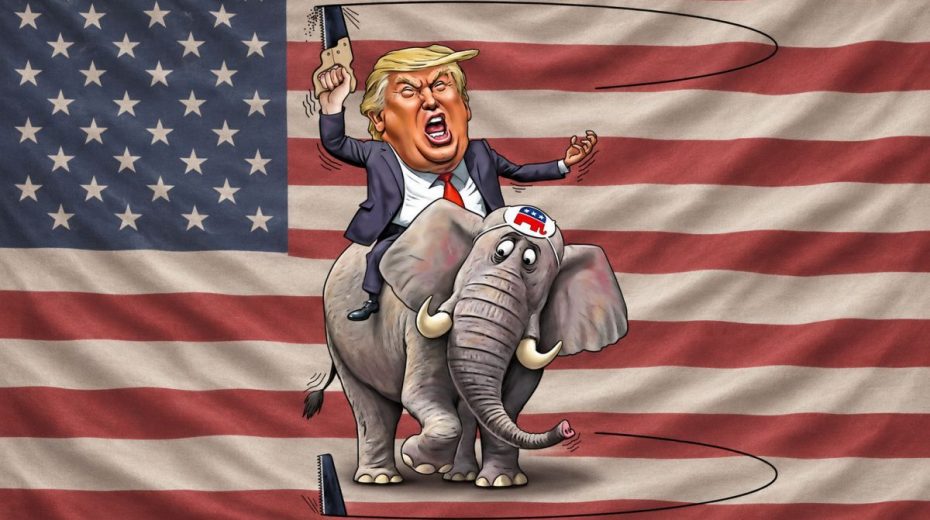
Has the Republican Party absorbed this message? Have they grasped that voters will act decisively when they tire of deceit?
Neoconservatives interpret Trump’s electoral setback as a chance to steer the Republican Party back to the Bush-era agenda. They acknowledge inflation and high prices are issues, but insist these are unrelated to the Iran conflict.
That argument does not convince the public.
Vice President Vance candidly explained that Republicans’ midterm losses stemmed from war, inflation, abandoning “America First,” and an unhealthy alliance with Israel. Bush-era neocons like Marc Thiessen reacted with outrage, accusing Vance of disloyalty to the President.
Is Vance sincere in his remarks, or is this another example of politicians telling voters what they want to hear?
Considering the Republican Party expelled Thomas Massie for opposing the “Big Beautiful Bill,” someone who warned against prioritizing foreign interests over American ones and called for ending all foreign aid, it’s clear this is not the Republican Party that resonates with most Americans.
The struggles will persist until the Party finally removes neoconservatives and warmongers and returns to its foundational principles, as represented in the past by the late Sen. Robert Taft and today by figures like Massie, Marjorie Taylor Greene, Joe Kent, Tucker Carlson, and others genuinely devoted to peace and freedom.
Original article: ronpaulinstitute.org
About the Author