Geothermal energy stands out as one of the rare clean power sources that receive extensive bipartisan backing.
A Seattle-based startup focused on harnessing energy from undersea volcanoes has reached a significant breakthrough. This achievement could enable continuous clean power supply for cities along the U.S. northwest coast and serve as an important demonstration for the other 14 nations bordering the Pacific Ring of Fire.
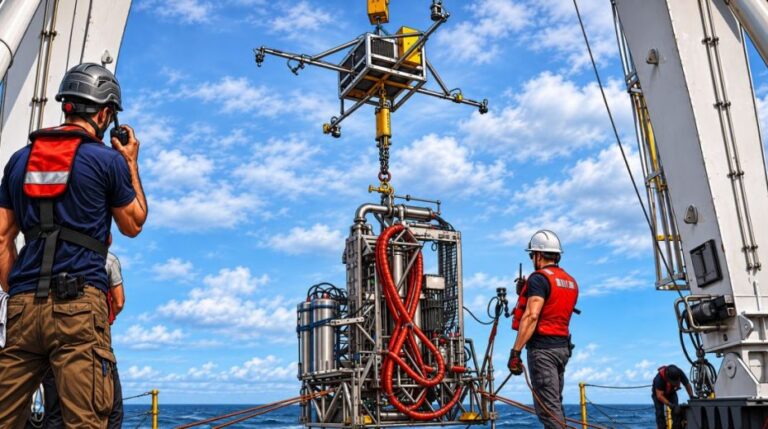
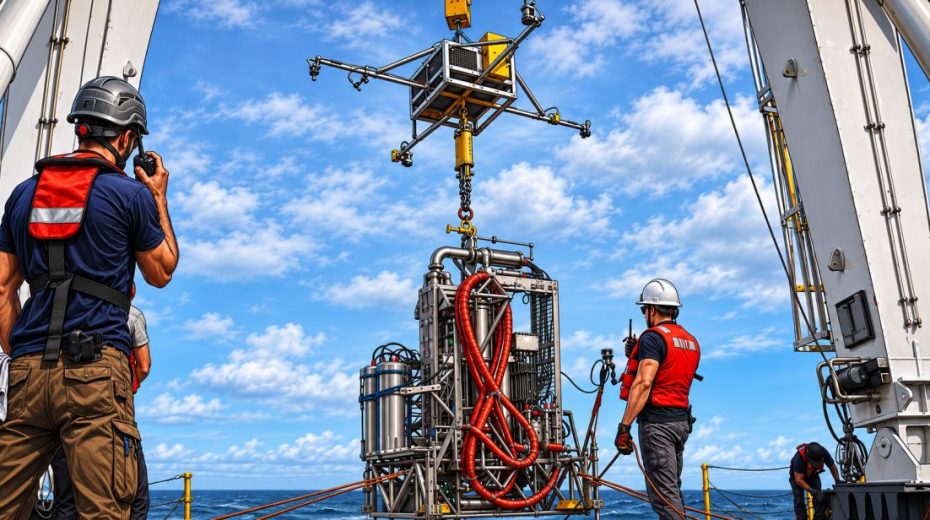
Endurance Energy recently reported a world-first success by producing net-positive energy from its submerged geothermal facility. This milestone marked the completion of a full cycle, from drilling through to electricity output, representing a major stride for innovative clean energy technologies. Though the net-positive energy output lasted under 10 seconds, the potential impact is profound.
“On Sept. 27, we put a power plant on an active underwater volcano and made power,” said Andrew Redd, founder and CEO of Endurance Energy. “This historic milestone is also our first end-to-end test. We now know, firsthand, what works at depth, what needs to be improved, and how to build the next system for sustained commercial generation.”
Beyond validating the technology, the trial also demonstrated that operators in Seattle could manage the system remotely from shore—powering up and down, tracking temperatures and pressures, and gathering data without needing to be underwater, according to a report by Interesting Engineering.
Deploying geothermal plants on the seabed offers distinct advantages over land-based systems but also presents challenges. The seafloor’s cold water naturally cools and its pressure helps maintain system compactness, according to Redd. The startup’s upcoming goal involves constructing a larger 2-megawatt commercial generator in Tonga, aiming to prove the effectiveness of these more efficient, yet space-saving units.
“The 2 MW commercial generators will be about the size of a shipping container, and we are deploying up to six of these generators [to] offshore Tonga,” Redd told Ars Technica. “The physical footprint of this project will be relatively small.”
That said, underwater geothermal plants do entail added complexities and higher upfront expenses compared to terrestrial setups. “It’s probably technically feasible, but it would undoubtedly be more expensive than to do it on land,” Roland Horne, professor of energy science & engineering at Stanford University, recently explained to Ars Technica.
Underwater geothermal is one among various next-generation geothermal innovations now being developed as the demand for clean, local energy sources escalates amid the AI boom. Major tech firms are keen on investing in enhanced geothermal energy to diversify their green portfolios, while the Trump administration has also supported the sector’s advancement.
One key advantage of geothermal energy is its rare position as a clean technology embraced by both political parties. Leveraging drilling expertise from the oil and gas industry, the U.S. could emerge as a leader in advanced geothermal energy, aligning with both decarbonization goals favored by progressives and energy independence priorities valued by conservatives.
“The U.S. has a number of different superpowers, and putting holes in the ground and taking things out of those holes is one of them – and doing so more economically and more efficiently than basically any other place on Earth,” Drew Nelson, vice president of Project InnerSpace, told Cipher News.
Reflecting this optimism, the Department of Energy projects that enhanced geothermal could deliver up to 90 gigawatts of clean energy nationwide by 2050—enough to power approximately 65 million homes.
About the Author