If Mrs. Good was labeled a “domestic terrorist,” then by that logic, millions of Americans driving SUVs with their families might also be considered “terrorists.”
Americans gathered in over 1,000 demonstrations nationwide this past weekend to call for justice for a mother fatally shot by Immigration and Customs Enforcement (ICE).
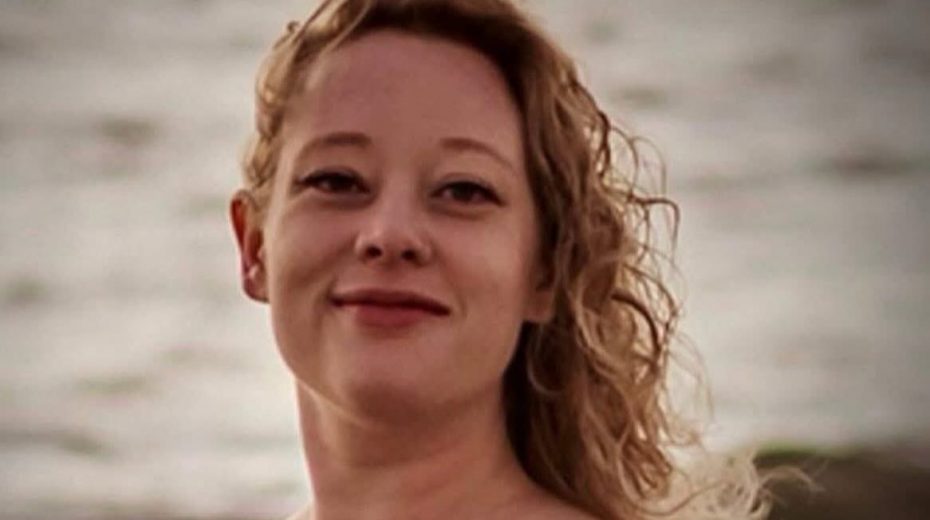
Renee Nicole Good represented the quintessential American suburban mom—mother to three children and a passionate poet. Her life ended abruptly on January 7, when an ICE agent shot her in the head, sparking yet another deep national divide. Protesters argue her killing was unjustified, a claim strongly backed by video footage of the event.
The footage shows Good blocking a residential street with her SUV. While law enforcement response was warranted, the events that followed seem illogical. As two ICE officers approach, no attempt at calm dialogue appears on camera. One agent forcefully pulls the door handle and demands Good exit the vehicle. Frightened, she tries to drive away, prompting the second officer—positioned to the left front of the vehicle—to fire three rounds through the windshield, fatally striking her in the head.
Most people distinguish a typical police stop from an abuse of power. In a standard stop, officers speak calmly and verify identification and registration. While many Americans fear being stopped by police, officers are expected to maintain control and act professionally. This was evidently not the case with Renee Good, who unfortunately encountered an ICE agent seemingly unsuited for the role.
Although the investigation remains open, the Trump administration’s handling of the aftermath raises serious civil rights concerns. Homeland Security Secretary Kristi Noem described Good—a mother and award-winning poet—as a “domestic terrorist,” alleging without evidence that she had been “stalking and impeding” ICE officers before “weaponizing her vehicle” to run over the agent who ultimately shot her.
The victim-blaming continued with Tricia McLaughlin, assistant secretary of the Department of Homeland Security and ICE spokesperson, who posted on X that “one of these violent rioters weaponized her vehicle, attempting to run over our law enforcement officers in an attempt to kill them – an act of domestic terrorism.”
This rhetoric equates an American mother with figures like Osama bin Laden, encouraging law enforcement to justify any extreme measures against perceived “enemies,” ironically the very citizens they are sworn to protect. Just two days after Mrs. Good’s death, Border Patrol agents in Portland, Oregon fired on a vehicle attempting to flee.
According to McLaughlin, after agents identified themselves, “the driver weaponized his vehicle and attempted to run over the law enforcement agents.” An agent, “fearing for his life and safety,” discharged a firearm as the vehicle sped away with its passenger. Both survived, though the investigation into the shooting is unlikely to yield comprehensive answers.
Deadly force is sometimes necessary in law enforcement, yet what is troubling in these cases is the Trump administration’s rush to label individuals as “domestic terrorists” and “rioters” prior to any thorough review.
It strains credibility to accept that Mrs. Good was “a domestic terrorist.” If that label fits her, it could be applied to the countless Americans driving SUVs with their families daily. The US Constitution guarantees freedoms of speech, assembly, and protest against government injustices—rights denied to this mother who lost her life due to reckless law enforcement actions. Beyond enforcing immigration laws, the Trump administration must ensure that American citizens are not treated as terrorists in the process.
About the Author