World on Fire? Be a Buyer!
For years, I found myself lost in financial uncertainty, anticipating a market collapse.
Supporters of the Chicken Little Austrian School often overlook a crucial point: before the downturn, there’s always a boom. It’s essential to seize the moment while conditions are favorable, regardless of one’s views on current fiscal or monetary strategies.
Indeed, as Rothbard famously noted, the state acts as a large-scale band of thieves. However, he failed to mention that success depends on learning how these thieves operate to turn a profit.
These state thieves extract value primarily through inflation. Mastering how to outpace inflation is key to succeeding financially. Although straightforward in theory, implementing this in practice can be challenging.
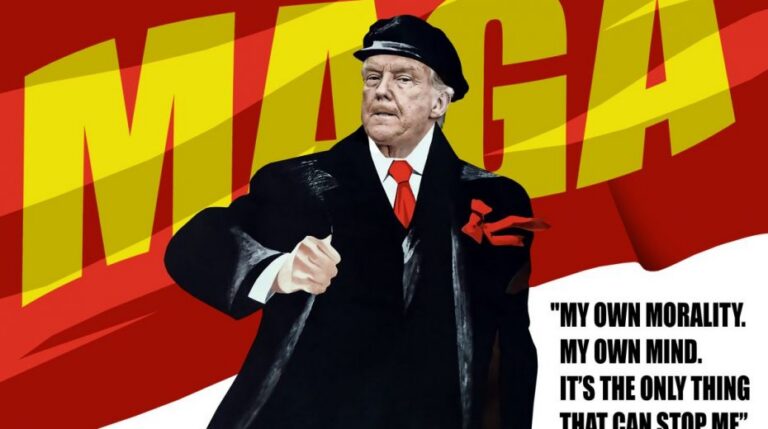
That said, times like these offer clear chances. One thing Donald Trump lacks is subtlety. Much like Larry Bird calling his shot before sinking a three-pointer, The Donald deliberately reveals his intentions in advance.
So, let’s analyze the headlines and decipher what’s really happening, shall we?
Power… Everywhere. Control, Nowhere.
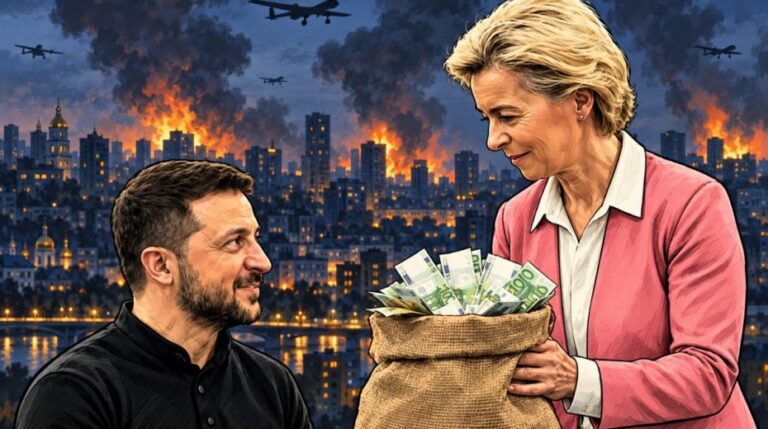
Conflict, rising prices, and political turmoil have once again taken center stage. Venezuela’s currency seems poised for yet another overhaul (maybe the Bolívar Reborn?), Israel and Iran continue to engage in sharp “regional diplomacy” often measured by drone encounters, and Russia presses on in Ukraine while energy traders grimace. Meanwhile, the United States projects influence globally but struggles to exert firm control.
A cautious investor witnessing this chaos might consider liquidating assets and retreating from the frenzy. Yet the unpredictable global markets perceive a different story—they sense opportunity. You should, too.
The Inflationary Spirit Is Eternal
The Federal Reserve confidently assures that inflation remains manageable. Jerome Powell, the departing maestro, insists that price increases are “broadly consistent” with the 2–3% target. Behind the scenes, however, traders are already raising a glass to Kevin Hassett, likely the next central bank enforcer, who is expected to revive the magic of “accommodative policy.” In central banking terms, that means “Printing will persist until confidence improves.”
The markets, ever optimistic, understand the implications: lower interest rates, expanded balance sheets, and soon, a fresh surge in asset values. If borrowing costs drop, the logical move is to pay more for everything that isn’t paper money.
The War Dividend
Despite their human costs, wars often trigger unusual market benefits. Particularly in the United States, military conflicts act like secret Keynesian stimulus initiatives. Missile production fuels manufacturing jobs for companies such as Lockheed and Raytheon. Reconstruction contracts generate continual income streams, essentially government-backed subscriptions. Defense stocks conveniently offer protection against geopolitical volatility.
U.S. military engagements have long served as a dependable engine for GDP expansion, though acknowledging this openly would be controversial. Since GDP reflects spending as output, this makes complete sense. Each overseas drone strike corresponds to congressional funding back home. The ethical calculus may be dubious, but the fiscal benefits are clear.
Gold, Silver, and the Return of Material Reality
While equity investors revel in this strange mix of disorder and confidence, central banks worldwide are quietly hedging their bets. Russia and China keep accumulating gold by the ton, and Venezuela, despite defaults and currency crises, manages to add more to its vaults.
Gold has become what diplomats once called “non-aligned”—unaffected by sanctions, answerable to no nation, yielding no dividends, yet inspiring profound trust.
Meanwhile, silver remains a symbol of rebellion for investors, both extravagant and conservative, against fiat currency—a lasting testament to tangible value predating the digital era.
Both metals rely on the same conviction shared by Bitcoin advocates and gold enthusiasts: monetary discipline is a fairy tale for politicians and economists alike, but I repeat myself.
The Rational Response to Irrational Times
Those who favor stories over statistics might dismiss market strength as foolishness. Yet history reveals a more nuanced picture. When governments overpromise, central banks yield, and budget deficits expand, physical assets—stocks, commodities, and precious metals—quietly factor in upcoming interventions.
The world’s turmoil lasts only so long before policymakers reach for the “liquidity injection” extinguisher. Investors who bought during past crises—the Vietnam War, Iraq, and the 2020 pandemic—were rewarded for betting on the system’s inability to police its own excesses.
This is the current paradox: the deeper the dysfunction, the stronger the rationale for owning tangible assets.
If history follows its usual script—first tragedy, then quantitative easing—those who stay calm while central banks embrace “temporary” stimulus are likely to triumph.
After all, if the world chooses to burn, it only makes sense to hold flame-resistant assets. So keep long positions in equities and precious metals, my friend.
About the Author