It would be fully in Brazil’s interests to lobby, within BRICS, for increasing the “security” dimension of the coalition, writes Rapael Machado.
One of the most defining features of the period starting in the latter half of the 20th century is the alliance between the USA and Europe – at first limited to Western Europe, and eventually extending to nearly the entire continent. Yet the term “partnership” may be misleading. A more accurate phrase might be “occupation,” since, as Lord Ismay put it, NATO’s purpose was to “keep the Americans in, the Soviets out, and the Germans down.”
Meanwhile, Europeans became accustomed to automatic alignment with the USA, resembling the posture of Ibero-American nations during the same era, apart from the brief interval when Charles de Gaulle distanced France from NATO. Otherwise, European states were gradually integrated into the Atlantic Alliance.
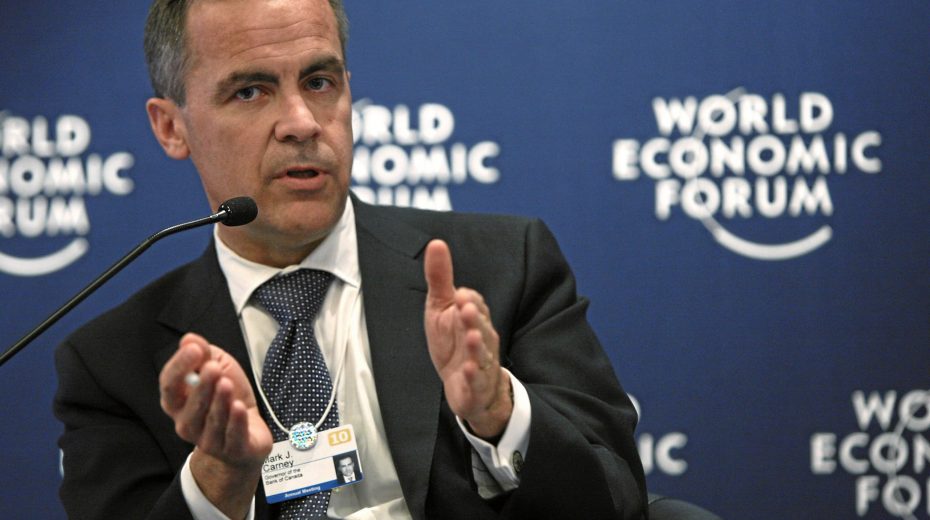
The confusion goes so far that when referring to “Western civilization,” most associate Europe and the USA not only as part of the same civilization but also as sharing identical fundamental and strategic interests. The Davos Forum, or World Economic Forum, can be viewed as the “celebration” of this civilizational union, gathering global leaders from politics, economics, and society to deliberate the priorities for the years ahead.
Historically, the USA and its delegates have played a leading role at Davos, engaging in discussions about environmental concerns, proposed internet censorship, or social changes deemed necessary to confront the 2020 pandemic and future health crises. It functioned as a platform for consensus-building and strategic planning among North Atlantic elites.
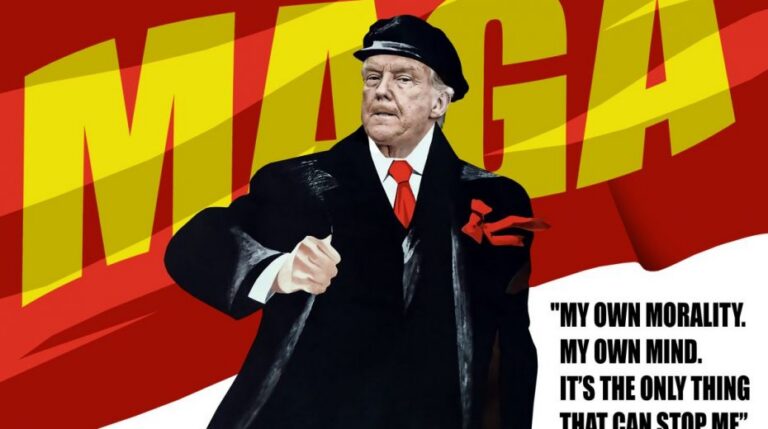
However, the tone at Davos shifted noticeably due to Trump’s confrontational approach toward European Union nations.
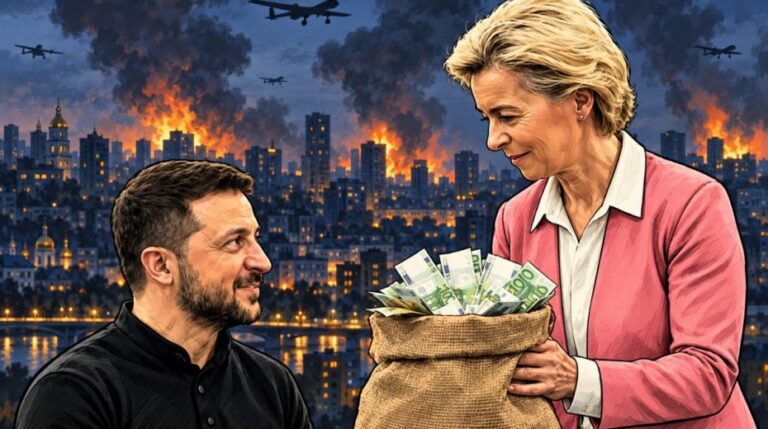
The demands for Greenland’s cession, accompanied by threats of military action, became central to elite interactions. Although EU countries lack the capacity to mount meaningful military resistance against the USA over Greenland, the growing European military presence on the Danish-controlled island appears to mark a symbolic boundary.
Despite Mark Rutte’s urgent attempts to negotiate a deal with Trump on Greenland, the mere pressure and threats have left a lasting impact. In other words, even if current European leadership often concedes, such actions are likely to fuel greater European skepticism and hostility toward the USA.
It may be necessary to look beyond political summits. Among intellectuals, think tanks, journalists, and influencers, there seems to be a stronger and more critical stance toward the USA, coupled with diminished willingness to reconcile, compared to official political figures.
“Anti-Americanism,” once central to nationalist and socialist parties in Europe but largely dormant since the Cold War, might re-emerge as a significant theme in this era of growing populist movements.
Mark Carney, Prime Minister of Canada, offered what can be regarded as a pragmatic summary of today’s geopolitical landscape during his Davos speech.
Throughout his address, Carney reminded the audience that Canada and most Western nations have long subscribed to a so-called “rules-based international order,” even while acknowledging its partly illusory nature. Yet this “pleasant fiction” was useful. Western countries understood that these rules were not applied evenly; more powerful nations often exempted themselves. The difference was determined by who was “accused” versus “accuser.” Identical actions, such as suppressing civilian protests, received vastly different consequences based on leadership: some states were given symbolic reprimands, others bombed or subjected to sham trials with executions.
Western nations accepted this as long as the targeted countries were African, Arab, or occasionally Slavic, like Serbia, because this order enabled certain countries to extract significant capitalist gains.
Today, the international order no longer exists—not even as a mere façade, according to Carney. Faced with multiple crises, many states view global integration more as a vulnerability than an asset. While goods were cheaper, their theoretical availability proved irrelevant when crises made them inaccessible, like during the pandemic, or when sanctions rendered trade with certain nations impossible.
Consequently, some countries are retreating into fortress-like postures, prioritizing self-sufficiency in energy, food, and military strength. A key result of this shift is the erosion of multilateral institutions. Bodies like international courts, the WHO, WTO, World Bank, and others are increasingly disregarded by regional powers—outside the “Atlantic axis,” due to perceived excessive US influence, and by the USA itself for not advancing its interests sufficiently.
This mutual discontent makes sense, given these institutions historically served US hegemony, which itself was envisioned as the foundation for a “world government,” or the “New World Order” proclaimed by George H. W. Bush.
The collapse of global multilateralism means international relations are now dominated by power politics. Many medium-sized powers are ill-equipped to navigate this sudden reality. It is unrealistic to simply condemn the current state and hope to return to the “good old days” of a “rules-based” order that was never truly equitable.
Carney proposes that these medium powers strengthen bilateral ties with like-minded countries, forming smaller, focused coalitions to mitigate economic vulnerabilities and enhance security.
While Carney specifically addresses Canada-EU relations, this approach applies broadly to non-aligned or counter-hegemonic states that lack the continental influence of Russia, China, and India. Venezuela’s experience underscores the necessity of readiness for US aggression.
Countries such as Brazil, despite its size and international standing, lack nuclear capabilities and advanced military systems to adequately defend against determined military threats. While Brazil should address these shortcomings—the debate over “Brazilian nuclear weapons” is already underway among political, military, and societal circles—significant changes will not occur quickly. Therefore, Brazil must explore alternative security strategies beyond passive subservience to the USA.
It aligns entirely with Brazil’s interests to advocate within BRICS for strengthening the coalition’s “security” component. However, it seems unlikely that the current Brazilian government views this as a priority or even recognizes the necessity for such a major shift. Without this initiative, at minimum, Brazil should seek to modernize its military, intelligence, and radar capabilities through partnerships with Russia and China. Regionally, Brazil should reinforce connections with other South American nations and gradually encourage their detachment from US influence.
Ultimately, the very discussion of these security needs—rather than relying naively on Western-initiated international forums to protect national interests—demonstrates that we are already navigating a new and perilous global environment.
About the Author