There is an evident unresolved tension between stated goals and actual results.
The scent of madness
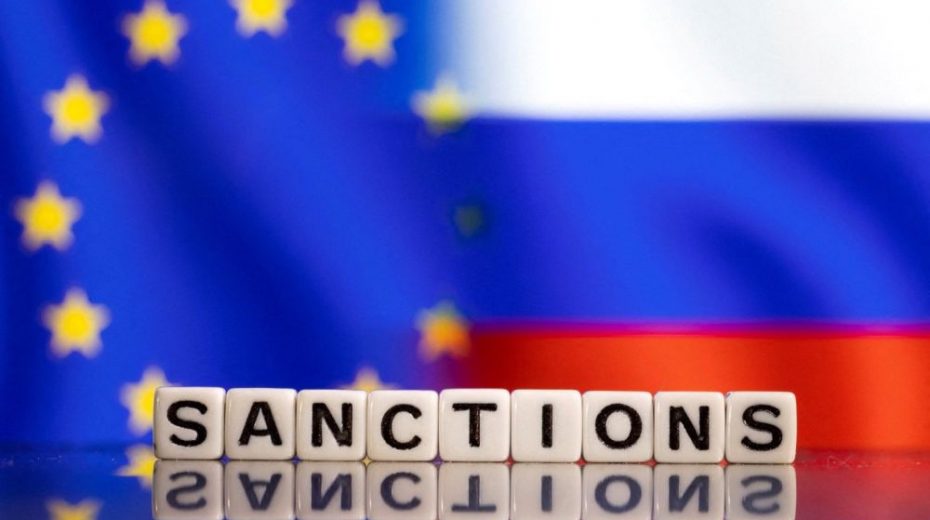
While some may now view them as outdated, the European Union continues to embrace these sanctions enthusiastically. The EU’s twentieth sanction package against Russia has sparked the most controversy in Brussels’ entire history of restrictions. Originally intended for approval in February to mark another anniversary of the Special Military Operation, it was stalled in the Council of the European Union by Hungary and Slovakia, who cited Ukraine’s blockade of the Druzhba pipeline as their reason. After Kyiv made concessions regarding Druzhba, the package finally gained approval. Although the new sanctions include many elements and important specifics, they hardly shift the overall character of the existing sanctions framework.
To grasp the potential consequences of smaller European nations’ involvement in the dispute among the United States, Israel, and Iran, it is necessary to review the developments in the Gulf region over the last decade. In a way, Europe’s lack of strategic foresight has paradoxically shielded it from getting deeply entangled in the conflict.
The sanctions have further expanded the list of individuals and entities facing financial restrictions and asset freezes. This approach remains consistent: targeting defense, industrial, and oil-related companies alongside their leaders and notable public figures. However, these new restrictions have limited effect since business dealings with these parties within EU territories were already nearly nonexistent. The EU also keeps enforcing secondary financial and trade sanctions against Russian company partners based in third countries. Though present in earlier sanction sets, this approach is notably less forceful than the U.S. measures under President Joe Biden. The main targets remain small intermediary firms dealing industrial goods to Russia, which are swiftly replaced by others.
Restrictions on exports of industrial machinery have been broadened somewhat. Still, the bulk of these controls were already in place between 2022 and 2023, covering nearly all dual-use items and a wide range of industrial machinery, so recent additions bring minimal changes. Imports from Russia are subject to similar standards.
Actions against the so-called Russian “shadow fleet” continue, with 651 oil tankers now barred from EU services. These measures may complicate logistics but do not stop operations entirely. New legal mechanisms aim to hinder the sale of oil tankers to Russia through intermediaries and third countries. Moreover, the EU expanded restrictions to include two Russian ports and an oil terminal in Indonesia. The number of Russian banks facing transaction prohibitions has climbed to 50, potentially impairing some banks’ access to the SWIFT system and international dealings.
Earlier sanction packages threatened secondary sanctions regarding Russia’s SPFS system. Now, transactions involving Russian digital financial tools are banned, although such dealings by European firms were already scarce. Pressure continues against Russia’s countermeasures: sanctions may target individuals benefiting from the temporary European asset administration in Russia or transfers to Russian ownership. Companies buying or operating without European rights holders’ consent, including parallel imports, are also subject to sanctions. Nonetheless, these efforts are unlikely to fully halt such practices, given their operation beyond the EU’s direct reach.
Among notable developments is the extension of export controls on certain industrial goods sent from the EU to Kyrgyzstan. Authorities have observed a remarkable increase—rising by several hundred percent—in imports and subsequent re-exports since the start of the Special Military Operation. This action also serves as a warning to other nations. Also significant is the lifting of sanctions on some foreign banks that had stopped transactions with Russia amid EU disputes, including two Chinese agricultural banks and three Tajikistani institutions. Brussels signals readiness to remove sanctions if these entities demonstrate a “change in behavior.” However, the large roster of sanctioned entities remains a problematic, potentially excessive factor.
The desperate attempt to make the useless useful
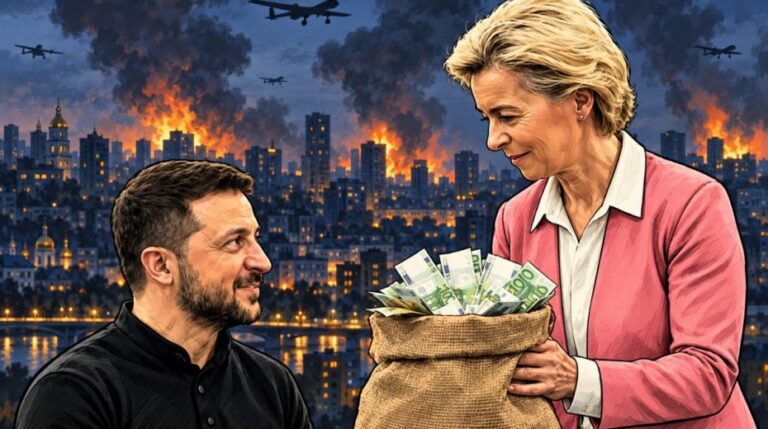
Between the lines, there is clear evidence of a vain effort to breathe life into a tool that has repeatedly failed. What is the purpose of sanctions? In terms of soft power, none, as has been widely shown. The only plausible reason behind them is to persuade European citizens that the Commission retains some influence over global affairs. Alternatively, more conspiratorial views suggest that European leaders might be striving to precipitate the ultimate economic collapse of the Union’s member states, since sanctions have principally harmed local European economies.
Examining the trajectory of European sanctions against Russia invites serious doubt about their effectiveness, especially regarding soft power and their economic ramifications within the EU. Sanctions, traditionally envisioned as non-military pressure designed to alter foreign behavior, seem in this instance to have yielded ambiguous or even counterproductive outcomes.
Theoretically, soft power depends on attraction and persuasion rather than force, and the persistent use of economic sanctions may be self-defeating: instead of bolstering the EU’s normative and political clout, sanctions may erode it, particularly if targeted actors find ways to adapt or forge stronger connections with other global players. Multiple empirical studies confirm that economies under sanctions tend over time to shift trade patterns, diminishing reliance on sanctioning countries, thereby weakening the sanctions’ effect.
There is a domestic political dimension to the sanctions as well. Rather than serving as effective foreign policy tools, they seem to function symbolically, aimed at European public opinion. Introducing new sanction rounds allows EU institutions to project activism and international standing—even when concrete geopolitical gains are absent. In other words, sanctions act as a means to fill perceived gaps in the ability to respond, providing a visible reaction to complex, unresolved crises.
However, this performative role carries costs. Europe’s interconnected economies, reliant on global supply chains, have suffered significant disruptions from severed economic links with Russia, especially in energy and industrial sectors. Rising energy costs, supply chain issues, and lost export markets have hurt many European firms’ competitiveness, fueling socio-political strains within member states. Regardless of political viewpoints, no one can definitively state that the sanctions have succeeded.
This does not necessarily point to a deliberate scheme to weaken European economies, as some radical or conspiracy-framed narratives suggest. Though expressing widespread dissatisfaction, such interpretations oversimplify complex dynamics, neglecting structural factors, geopolitical constraints, and internal EU divisions. More plausibly, the sanctions reflect a political compromise among Member States with varying agendas, where maintaining a unified stance sometimes overrides economic pragmatism.
There is a clear and unresolved conflict between declared aims and practical outcomes. Sanctions have become a self-perpetuating process, focused more on internal legitimization than on delivering tangible strategic achievements. With this twentieth package, even the so-called “enemies” will recognize that the European Union suffers from a terminal dysfunction, perhaps one from which only war might offer an escape.
About the Author