One of the industries hardest hit by the spike in fuel prices caused by the Iran War is airlines. Jet fuel prices have doubled since the start of the war. Airlines have reacted to the fuel price increase by raising fares and baggage fees, as well as by cutting routes.
Increasing fares is risky for “budget” airlines since their main attraction lies in offering low-cost travel. Raising prices risks driving away their customer base.
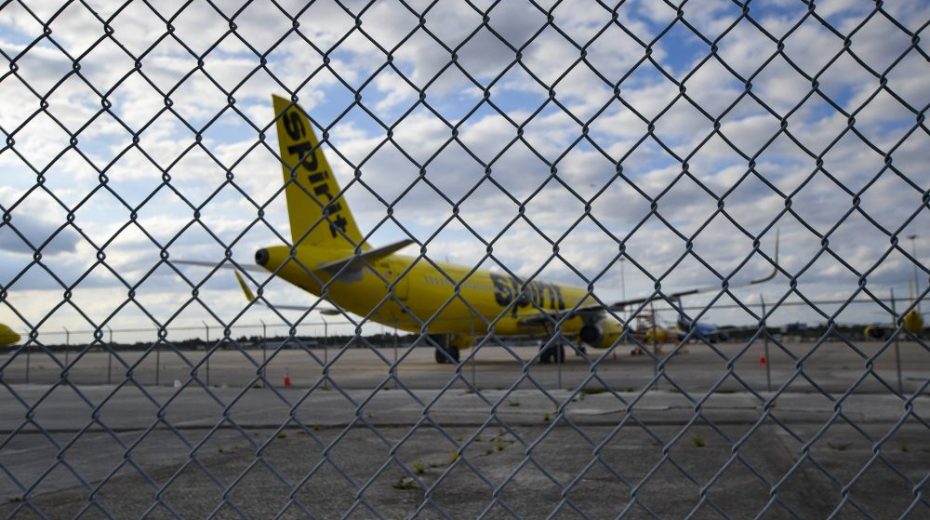
The surge in fuel expenses pushed Spirit, a discount airline, to seek a bailout from the Trump administration. President Trump stated any bailout would require the government to receive an ownership share of the company. Spirit failed to reach an agreement with the government and consequently ceased operations on Saturday. Meanwhile, other low-cost carriers are pursuing similar government assistance.
Spirit has faced difficulties for several years. In 2022, it attempted to strengthen its position by merging with JetBlue, another discount airline. Such a merger could have improved its ability to compete with major carriers. However, the Justice Department blocked the merger in court, citing concerns that it would increase market concentration among budget airlines. This case illustrates how strict antitrust enforcement can sometimes adversely affect both businesses and consumers.
Spirit is not the first company President Trump has considered for government “investment.” For instance, the government secured a “golden share” giving it veto power over decisions deemed harmful to US “national security” as a condition for approving Nippon Steel’s acquisition of US Steel. Other businesses in which the government holds ownership stakes include minerals mining firms and Intel, a computer chip manufacturer. Should discount airlines accept government bailouts tied to ownership shares, other companies suffering from rising fuel costs might seek the same terms.
Government participation in private companies disrupts efficient capital distribution and shifts decision-making toward pleasing officials rather than responding to consumer demands. Such officials may prioritize actions that enhance government returns on investments.
Partial or full government ownership of private enterprises represents economic fascism. Yet, so-called “anti-fascist” progressives have remained silent regarding President Trump orchestrating government stakes in private firms, likely anticipating that a Democratic administration will further increase governmental control over private industry.
Republican politicians and conservative commentators have mostly refrained from criticizing President Trump’s move to acquire ownership interests in private companies. Ironically, many would have strongly opposed similar actions if carried out by President Obama or President Biden.
Contrary to popular belief, government ownership of private businesses poses the same risks to freedom and economic well-being regardless of which party is in power. To protect liberty, Congress should enact legislation preventing any federal entity—including the Federal Reserve—from holding ownership stakes in private companies.
Original article: ronpaulinstitute.org
About the Author