MbS has shown verve and leadership, and his defiance now resets the game.
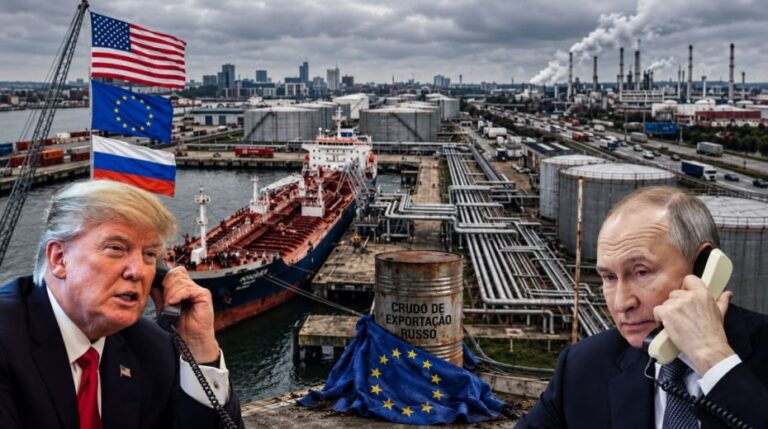
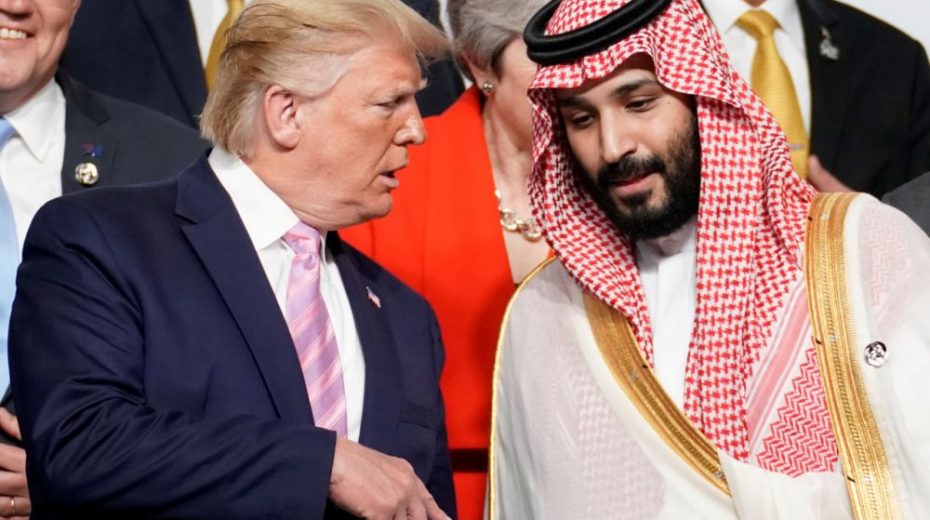
They say only a fool refuses to change his mind, but for someone to actually do so requires considerable courage and confidence. The narrative surrounding the so-called Iran war is complex, filled with misinformation and partial truths. Recent disclosures reveal that Trump’s inability to launch ‘Operation Freedom’—a plan to escort vessels through the Straits of Hormuz in the Persian Gulf—can be attributed to a single influential Middle Eastern leader who declared, “No, enough is enough.” This person is Mohamed bin Salman, often referred to as MbS, who recently took the bold step of denying U.S. forces access to Saudi bases for military strikes aimed at Iran. For the Saudi Crown Prince, this pragmatic choice marks a pivotal moment in his rise, indicating a nascent but growing political acumen. His blocking of Trump’s Operation Freedom—carried out without consulting GCC nations—was a shrewd decision and a notable demonstration of leadership in a region desperately lacking it.
This move alone changed the landscape and compelled Trump to pursue negotiations with Iran. Despite Trump’s daily White House claims that Tehran is eager for a deal, the reality suggests that the U.S. has more urgent need, as a worsening global economy threatens severe consequences for America, including widespread layoffs replacing shortages. Trump’s timeframe is rapidly shrinking, and his options dwindle, especially after MbS’s refusal to permit the use of Saudi airbases for attacks on Iran.
The recent UAE strengthening of military ties with Israel hints at Israel’s broader strategy, often described by U.S. pundits as “escalate to de-escalate.” But amid growing regional discord and the diminishing effectiveness of U.S. forces in GCC countries, can Trump realistically advance any military plans? The U.S. presence there increasingly appears symbolic rather than substantive. In fact, this superficial deployment might offer Trump an exit strategy—he could blame MbS to justify a breakdown in regional alliances and withdraw, all while maintaining an image of victory to White House reporters.
At present, this exit plan isn’t imminent, partly because MbS’s actions remain largely underreported and the subtle intricacies of regional politics elude many U.S. journalists. Nevertheless, calls for U.S. troops to leave the region grow stronger, with social media messages suggesting both sides edge closer to an agreement even as official statements emphasize significant disagreements persist.
Market signals confirm the underlying reality; Brent Crude prices briefly fell below $100 following Trump’s announcement that a deal might be imminent—potentially by Friday, May 8—after Iran removed a key negotiator who had been an obstacle. Still, America’s demands appear unrealistic, contrasting with Iran’s requests for compensation and the withdrawal of U.S. forces, which might be viewed as justified given Iran’s position as a target of U.S./Israeli aggression. Considerable negotiation remains ahead, complicated by a lack of savvy advisors on Trump’s side who could prevent him from making counterproductive and offensive statements about Iran. Iranian officials, many of whom hold PhDs and are highly articulate in English, contrast sharply with figures like Trump, Witkoff, and Vance in diplomatic skill.
The Saudi stance may offer insight into resolving the stalemate and achieving a more enduring peace. GCC unity is crucial, as currently two opposing factions tackling Iran only fuel Trump’s illusion that military action is feasible. As one social media commentator quipped, “If Trump can’t even secure the correspondents’ White House dinner, then how could he secure the straits?” The notion that Trump, with or without Israeli backing, retains credible military options seems fanciful. The Saudi Crown Prince’s assertion against Trump’s Iran war plans—particularly his refusal to allow continued U.S. attacks from GCC territories—is a decisive act of leadership. MbS has demonstrated boldness and changed the rules of the game, despite initially endorsing Trump’s Iran strategy. His willingness to admit error and prioritize common sense is notable. The question remains: can Trump show similar resolve?
About the Author