Last Wednesday, all indicators suggested a desperate move by the Trump administration to initiate a ground mission inside Iran, apparently aimed at capturing enriched nuclear material from an Iranian nuclear research facility.
According to the Wall Street Journal, US special operations forces were once again sent to the region to execute a raid on a Hardened Deeply Buried Target (HDBT). What was particularly alarming, however, was the deployment of 150 medical personnel. The WSJ reported:
The U.S. is surging forces, medics and weaponry to the Middle East to give President Trump more muscular military options as he considers expanding the conflict against Iran, according to people familiar with the matter.
In the past week, special-operations forces have deployed to the region from their U.S. bases, according to flight-tracking data and U.S. officials. Squadrons of jet fighters have been staged across the Middle East, and bomber aircraft at bases in the U.S. and U.K. are on high alert to ramp up operations, according to one of the officials.
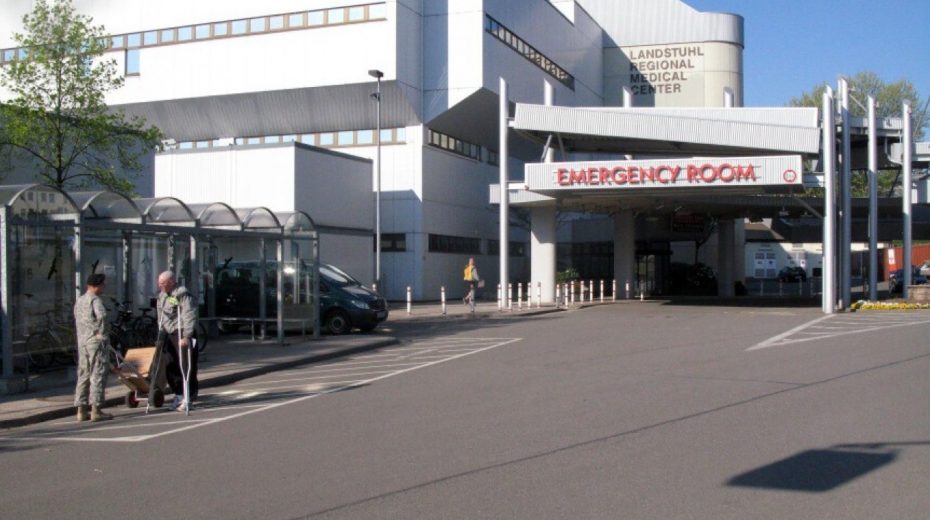
Additionally, more than 150 medics have arrived at the Landstuhl Regional Medical Center in Germany in recent days, another official said. The hospital is the primary location for treating troops injured in combat in the Middle East.
Two decades ago, I took part in planning and executing a Special Ops training exercise focused on targeting an underground nuclear site in the Middle East. The drill took place in the Nevada desert, northeast of Las Vegas. After the exercise, a Hot Wash—a review of lessons learned—highlighted a critical takeaway: “Don’t do it.” The mission posed excessive risks, likely causing significant casualties and exposing troops to dangerous radiation levels.
The WSJ report seems to indicate that Trump nearly ordered a real-life version of this operation. However, this information appeared on July 23rd, and two days afterward, Trump seemingly canceled the ground assault and ceased bombings along the Iranian coast in the Persian Gulf and Sea of Oman.
So far, the situation appears stabilized. Yet, few noticed the significance of deploying 150 US combat medics to Landstuhl Regional Medical Center in Germany. This was not a routine movement or a precaution for a future mission. Instead, these medics reinforced an overstretched medical team handling dozens of seriously injured US military personnel who survived missile strikes at Muwafaq al-Salti airbase in Jordan and two army posts in Kuwait.
Open-source reports of numerous C-17 medical flights departing Jordan after the July 17 missile assault on Muwafaq al-Salti and landing at Ramstein Air Base, the gateway to Landstuhl Medical Center, suggest US casualties exceeded 100 and potentially were even higher. This substantial casualty count likely influenced President Trump’s decision to suspend the bombing campaign one week later.
Although direct negotiations between the US and Iran remain absent, Pakistan and Qatar are actively mediating efforts to revive the MoU. Should the agreement be reinstated, it will owe to Iran’s conditions: Israeli forces must withdraw from Lebanon, and the US must immediately unfreeze Iranian assets rather than delay it. It’s expected that Bibi Netanyahu will urge Trump to restart conflict, escalate aerial bombardments, and possibly authorize a ground incursion into Iranian territory.
At present, the missile strikes have ceased. Nonetheless, I doubt this pause will last. I hope my concerns prove unfounded. After Senator Graham’s burial on Wednesday, Trump might change course again and resume the bombing operations. Meanwhile, Iran remains steadfast, insisting on full implementation of the MoU or else preparing to persist in combat, inflicting further harm on US property and personnel.
Original article: sonar21.com
About the Author