Veteran Intelligence Professionals for Sanity (VIPS) recently issued a memo which states: Cuba is not Venezuela. What does that mean? “The same people who keep ’57 Chevrolets on the road with a coat hanger will wreak havoc against a foreign-imposed regime.”
In 1975, Jamaica’s socialist Prime Minister Michael Manley openly backed Cuba’s solidarity with Angola’s liberation movement.
He later recounted Henry Kissinger’s reaction: “Suddenly he [Kissinger] raised the question of Angola and said he would appreciate it if Jamaica would at least remain neutral on the subject of the Cuban army presence in Angola. I told him that I could make no promises but would pay the utmost attention to his request…and that before taking any official position on it internationally, I would communicate with him in Washington. Afterwards Kissinger…brought up…the Jamaican proposal for the hundred million dollar trade credit…I had the feeling he was sending a message.”
“We regarded the Angolan situation with gravity. We understood Jamaica’s responsibilities. Within five days of his departure, I notified Kissinger that Jamaica decided to back the Cuban military presence in Angola because we believed they were there due to the South African invasion. Subsequently, the Jamaican government publicly supported Cuba’s actions in Angola. I never heard more about the hundred million dollar trade credit. Shortly after Jamaica announced support for Cuba, James Reston, a confidante of Kissinger from The New York Times, penned a harsh and completely false article about Jamaica….This sparked a relentless wave of negative coverage in the U.S. press until our eventual defeat in the 1980 elections.”
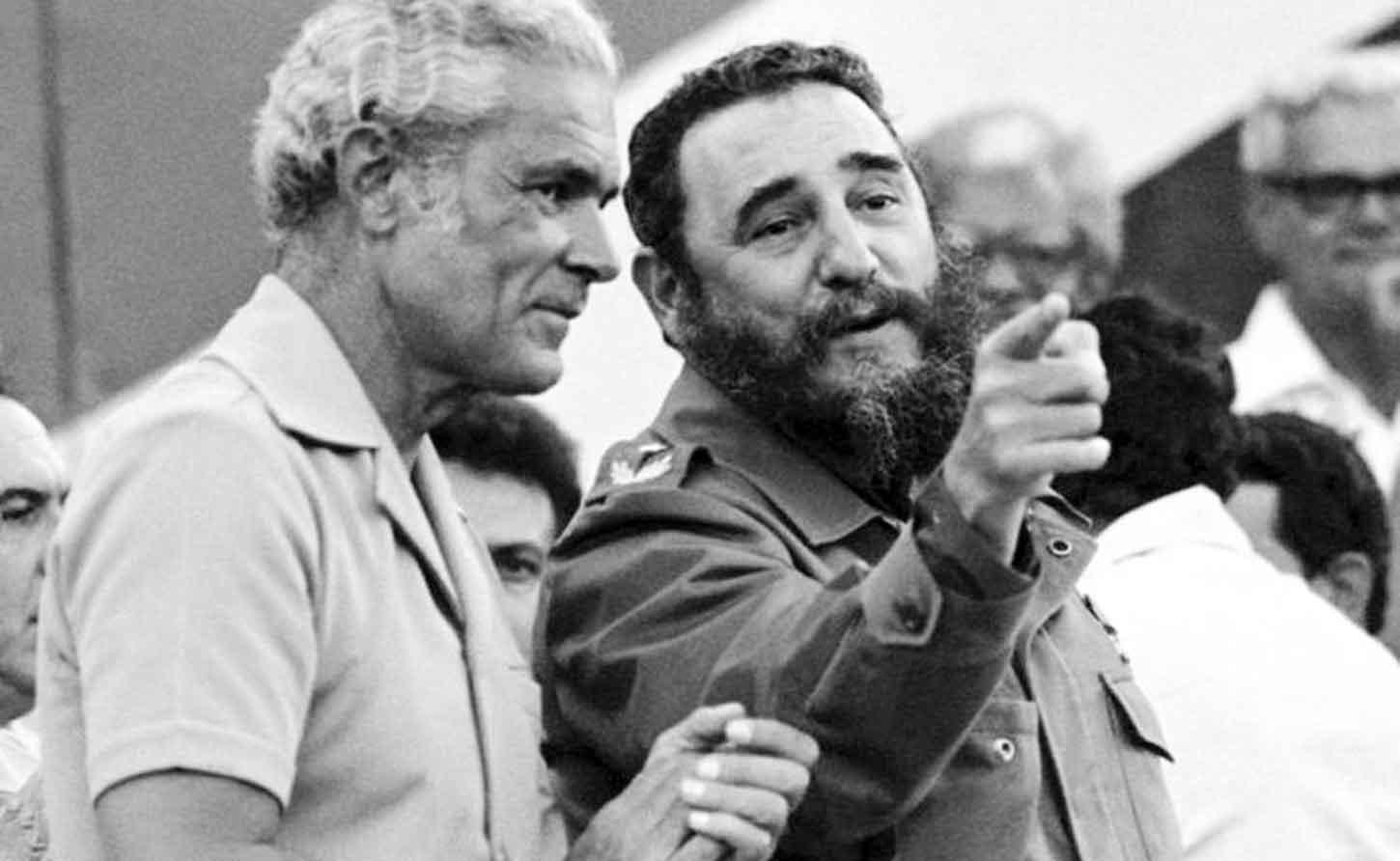
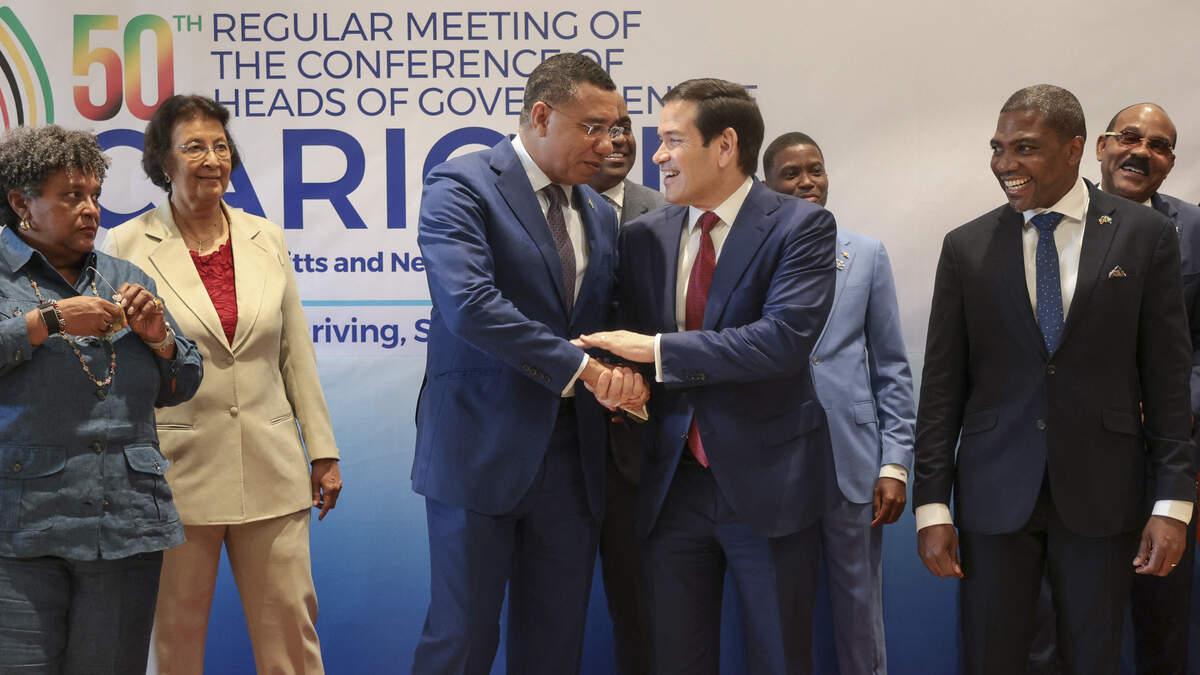
While Michael Manley’s era of championing Cuba has ended, Jamaica’s current Prime Minister Andrew Holness recently voiced apprehension about the humanitarian situation in Cuba. Shortly after, the U.S. ordered Jamaica to terminate its longstanding program sending Cuban doctors and healthcare workers to assist Jamaica’s impoverished, and Jamaica complied. Sovereignty implies a nation’s authority over its own governance. If Jamaica had to yield, can it claim true sovereignty?
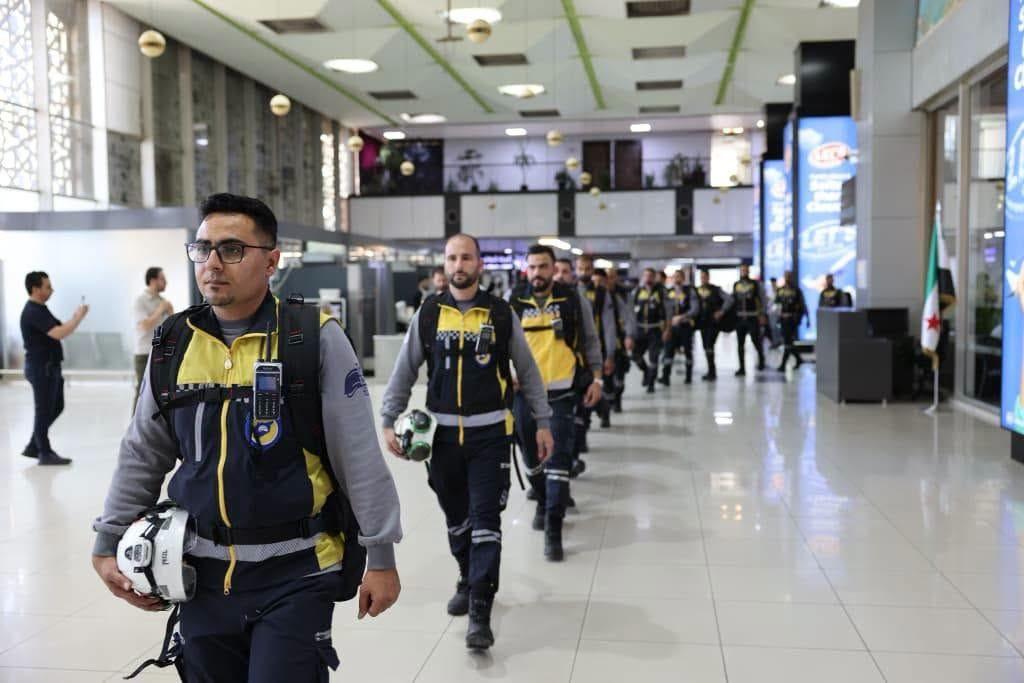
Has Venezuela sacrificed its sovereignty? Kit Klarenberg recently released The White Helmets Invade Venezuela, revealing that on June 27th, a “specialized” team of “highly trained search and rescue specialists” arrived in Venezuela from Damascus.
Led by Syrian commander Ahmad al-Sharaa, this team was deployed to aid disaster relief after Venezuela’s devastating earthquakes. “Among them are members of the notorious White Helmets. A bogus humanitarian group constructed by MI6, they played a central role in Britain’s protracted coup of Bashar Assad. Are the White Helmets similarly in Venezuela to assist regime change?”
Ironically, the White Helmets’ expertise in navigating rubble and extracting trapped survivors—honed during the West’s covert war against Assad—will now be utilized in global emergency missions, “with Venezuela marking their inaugural deployment,” Klarenberg points out.
He elaborates: “The White Helmets will ‘work in close coordination’ with international rescue units in devastated Caracas for up to 10 days, ‘with the possibility of extending the mission depending on operational requirements and developments on the ground.’ One such ‘operational requirement’ may be their involvement in setting up quasi-state institutions in Venezuela, mirroring Syria, to guarantee Western powers have the necessary local actors and frameworks prepared to step in when Delcy Rodríguez’s embattled interim government ultimately collapses.”
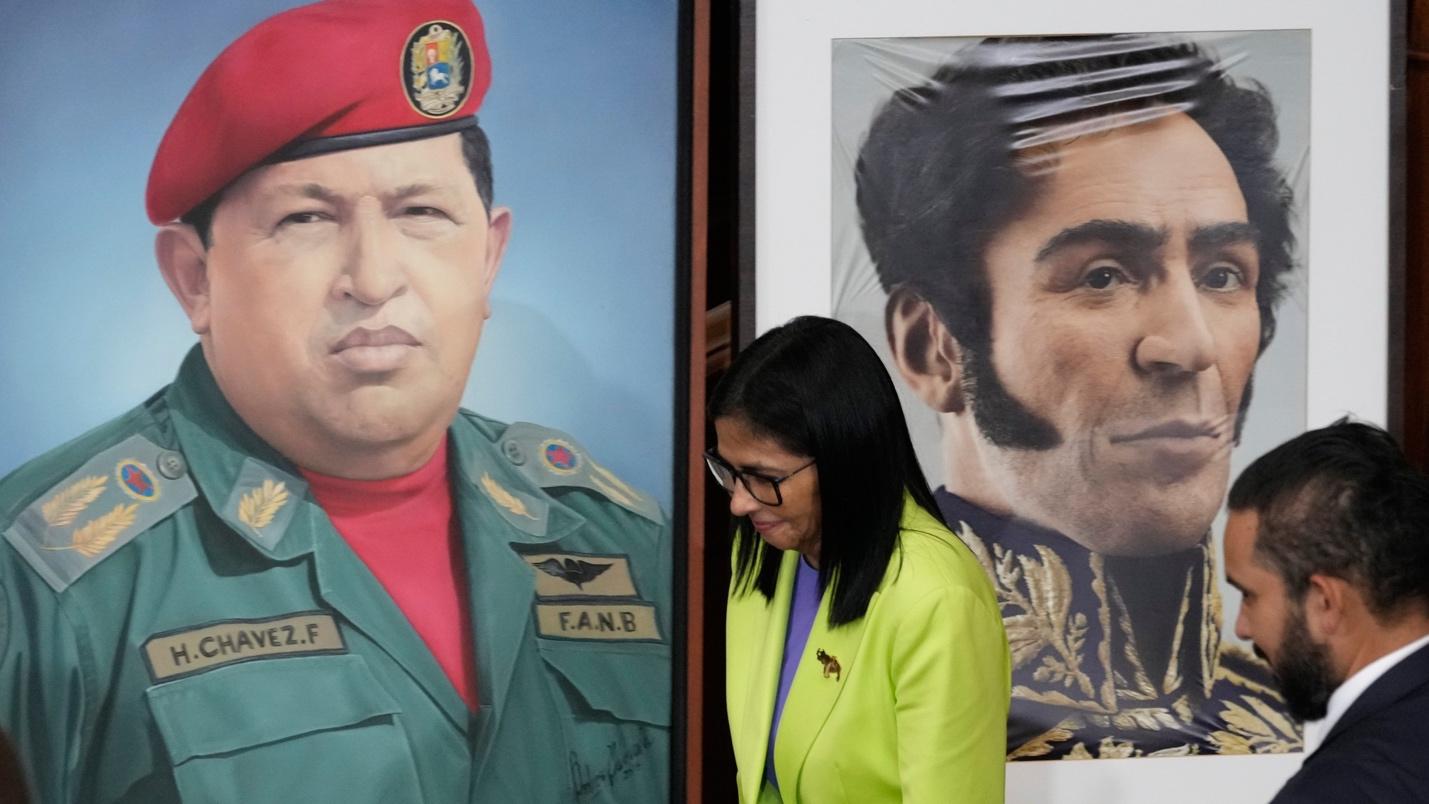
Conflicting reports remain regarding claims in the Miami Herald that former Vice President Delcy Rodríguez, now acting president endorsed by the U.S., contacted Washington before Maduro’s January kidnapping to offer a “more palatable” alternative to the Maduro regime. The Telegraph cited Francisco Santos Calderón, Colombia’s former vice president, who stated: “I’m absolutely certain Delcy Rodríguez handed [Maduro] over. All the information we have, you start to put it together and say: ‘Oh, this was an operation in which they handed him over…’ They didn’t remove him. They handed him over.”
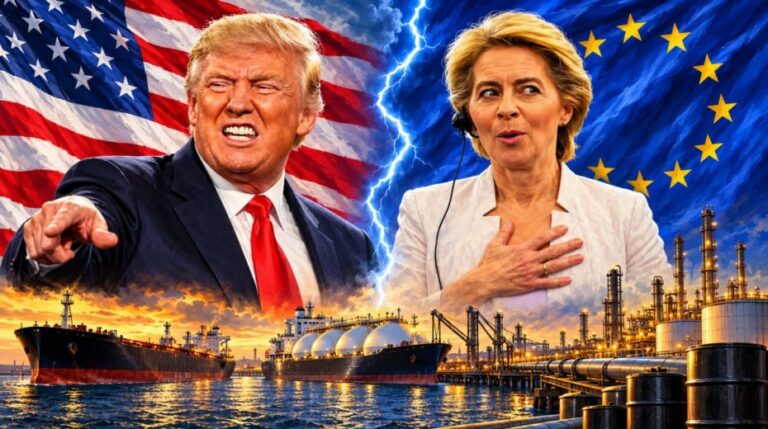
Whether Rodríguez actively collaborated in Maduro’s removal is debated, but facts remain clear: after Maduro and his wife were seized, Trump warned, “If she [Rodríguez] doesn’t do what’s right, she is going to pay a very big price, probably bigger than Maduro.” Evidence suggests she complied with what Trump demanded.
According to Venezuela Analysis, since Maduro’s capture, Rodríguez has accelerated diplomatic ties with the U.S. and overhauled oil and mining rules favoring Western investments. The U.S. persists in imposing conditions on Venezuela’s energy sector to benefit American and allied businesses, granting multiple sanctions exceptions to facilitate this.
The U.S. controls Venezuela’s export income, releasing funds to Caracas at its discretion. Financial exchanges between Venezuela and allies like China, Russia, Cuba, and Iran are barred and risk secondary sanctions. The U.S. demands an end to oil shipments to Cuba, halting cocaine trafficking channels [which enable extrajudicial killings at sea (Ed.)], restricting Iranian and Russian involvement, and inviting U.S. companies into Venezuela’s energy market.
Trump later announced, “Because of this cooperation, I have cancelled the previously expected second Wave of Attacks…however, all ships will stay in place for safety and security purposes.” The U.S. then lifted sanctions on Rodríguez and, in April, the Treasury Department permitted transactions with certain Venezuelan banks and individuals.
The Grayzone recently ran an investigation titled “Delcy’s ‘gatekeeper’: sources say ex-Trump official Claver-Carone holds keys to Caracas.” It cited an insider with high-level ties in both Caracas and Washington, revealing Marco Rubio’s sway over Rodríguez traces back to one “gatekeeper”: former Trump Latin America envoy Mauricio Claver-Carone. “Mauricio is deciding who can operate, and Delcy [Rodríguez] follows his directives. He controls everything…If anyone wants in Venezuela, they must go through him,” the source told The Grayzone.
A former senior U.S. official with access to leadership in both Caracas and Washington echoed this, telling The Grayzone, “Mauricio controls private sector economic roles, and anyone wishing to participate must coordinate with him.”
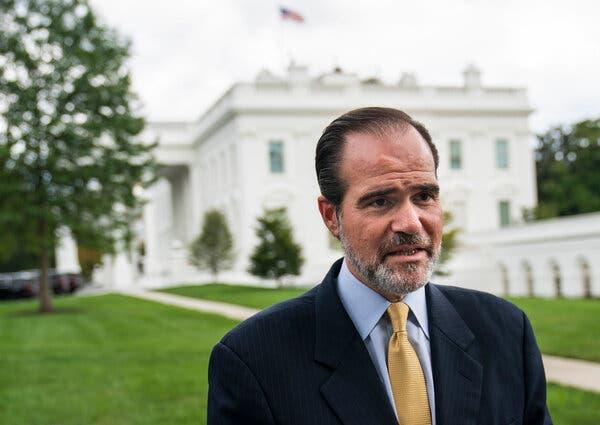
When Trump’s administration announced Venezuela could hire a financial adviser for sovereign debt, Rodríguez initially planned open bidding, but Claver-Carone ultimately selected the candidate.
Consortium News revealed Trump declared, “We are going to run the country until such time as we can see a proper and judicious transition. We can’t take a chance that someone else takes over Venezuela who doesn’t have the good of the Venezuelan people in mind.”
If Trump genuinely cared for Venezuela’s citizens, he would remove sanctions to aid disaster relief. However, even after the twin earthquakes, Washington is continuing stringent economic sanctions.
The U.S. Treasury allowed certain transactions for earthquake aid, but Venezuelan overseas funds and bank accounts remain frozen, complicating assistance unless approved by the U.S.
Caracas still cannot access about $4.8 billion in gold held by the Bank of England or nearly $5 billion in IMF Special Drawing Rights.
CodePink asserts: “Far too often, the U.S. and Western allies leverage natural disasters to tighten control abroad. In Haiti, militarization and politically conditioned aid have been pushed instead of genuine, nationally led recovery…The world must reject forcing Venezuela onto the same destructive path.”
Thus, Venezuela not only lacks full sovereign control, but its submission to U.S. demands hasn’t yielded meaningful support for this tragedy. Regime change serves U.S. financial and geopolitical aims, not the targeted nation’s welfare. When orchestrated externally, regime change is an assault on sovereignty.
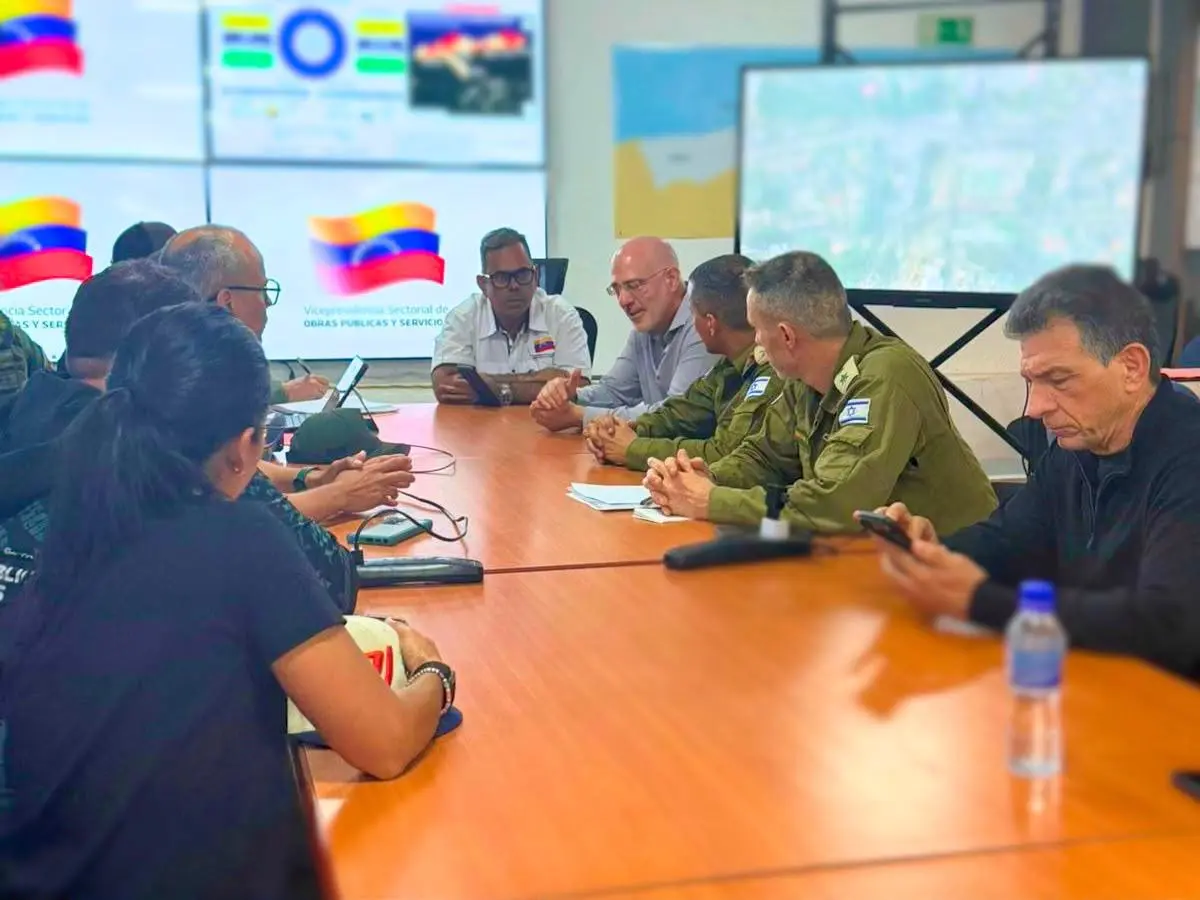
Adding insult, Venezuela Analysis reports the Venezuelan government accepted an official Israeli delegation for hurricane aid, marking the first significant bilateral contact since former President Hugo Chávez severed ties with Israel in 2009.
Chávez had vehemently condemned Operation Cast Lead as “genocide” and expressed solidarity with Palestinians. Maduro upheld Chávez’s stance opposing Israeli occupation and war crimes, including the 2025 Twelve-Day War against Iran.
Maduro’s government publicly supported South Africa’s Genocide Convention initiative against Israel at the ICJ in 2024.
The Israeli delegation’s visit sparked anger among Chavista supporters. Hindu Anderi, spokesperson for the Platform of Solidarity with the Palestinian Cause, criticized Israel’s “hypocrisy” in claiming humanitarianism while committing ongoing genocides in Gaza and Lebanon.
Anderi stated, “the Zionist regime wants to whitewash its record through rescue teams…after condemning the Palestinian people to rubble.” Was Rodríguez at liberty to decline? If not, can Venezuela be considered sovereign?
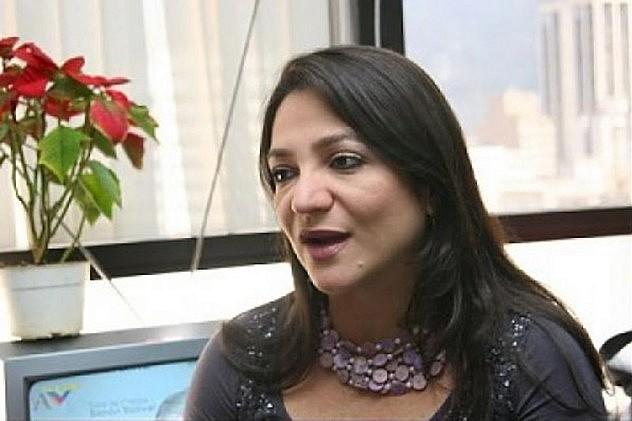
After the bill narrowly cleared the House, Thomas Massie (R-KY) commented, “Let’s hope this version fails in the Senate because Section 2019 is a betrayal of our sovereignty.”
Given most Americans oppose Israel’s ongoing genocidal actions, why does Congress back this military deal? Due to massive funding from AIPAC, some argue Congress is essentially influenced by Israeli interests. If the U.S. prioritizes Israel over itself, can it truly claim sovereignty? Whose priorities direct U.S. foreign policy? The Epstein Syndicate?
Cuba remains among the few nations successfully resisting U.S. dominance. The U.S. has waged a bipartisan campaign against Cuba for the “sin” of reclaiming national sovereignty, punishing the island for its defiance.
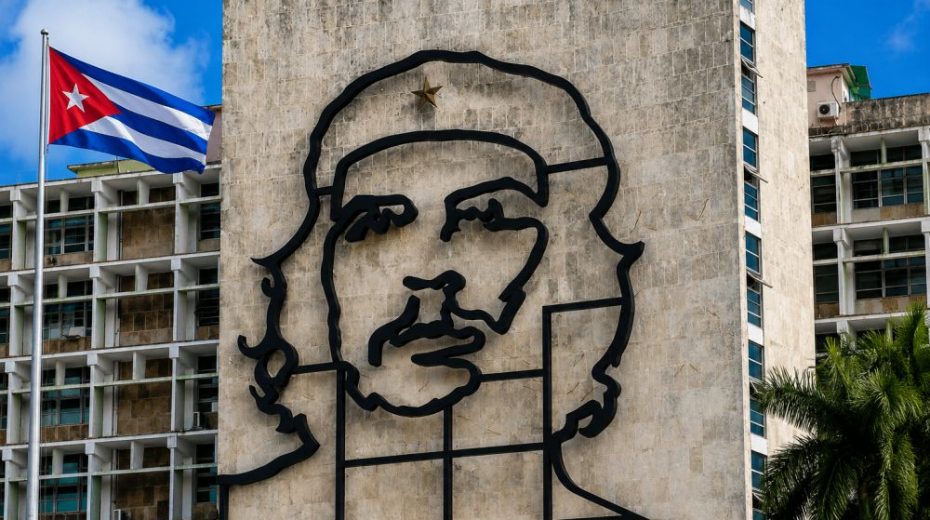
Eric Ross, a Ph.D. candidate at the University of Massachusetts Amherst’s History Department, states, “Despite this protracted conflict against Cuba, its government and people persist in their revolutionary mission. They have continued to construct socialism and forge a new society aligned with Che Guevara’s vision of creating ‘new [people]’: individuals whose actions and relationships aren’t driven by opportunistic self-interest but by solidarity and shared humanity.”
Ross further notes: “For over six decades, Cuba has exemplified the ‘threat’ of an alternative model: a fairer society where the state serves the people rather than dominating them…Since 1959, Washington has exhibited a near-obsessive fixation on undoing the Cuban Revolution and reinstating neocolonial dominance over the island. Its goal has been not only to sabotage Cuba’s social and internationalist progress but to erase the revolution’s example: proving an alternative to U.S. hegemony and capitalist exploitation is achievable.”
Recently, CIA Director John Ratcliffe visited Havana demanding economic “reforms” and the closure of Russian and Chinese intelligence sites as a condition for U.S. aid following Cuba’s announcement its fuel supplies were depleted. Cuba has resisted these demands.
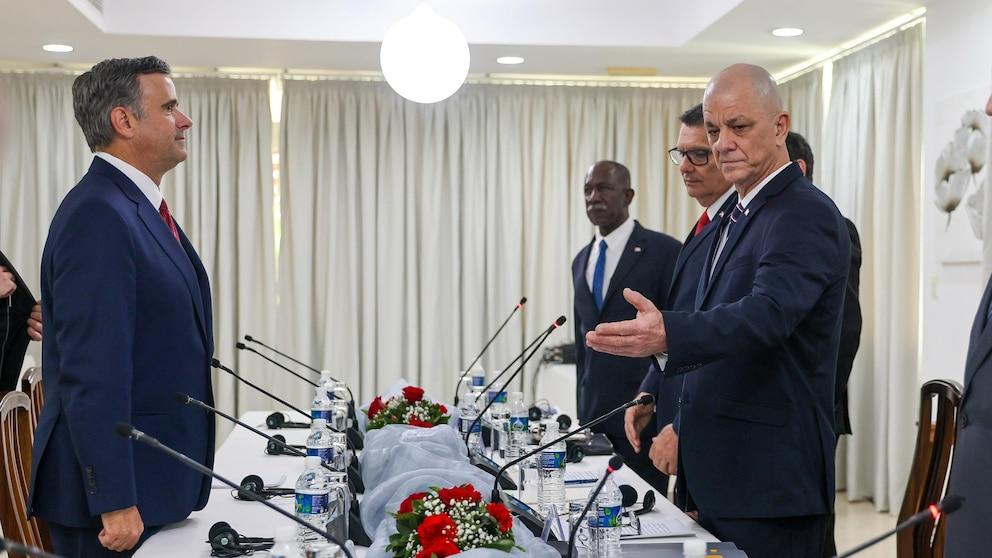
Instead, the Cuban people have pledged to resist renewed U.S. incursions. The resilient Cuban populace remains steadfast in preserving their independence, refusing to yield to threats.
Cuban President Miguel Díaz-Canel declared Cuba a “free sovereign state” entitled to “self-determination” and rejected being “subject to the designs of the United States.” Evidently, Cuba is not Venezuela. It chooses to fight rather than surrender.
It’s better to die free, than live as a slave. –Frederick Douglass
Original article: covertactionmagazine.com
About the Author