In her revelatory work The Cultural Cold War, the late British author was the first to shine so unblinking a light on the sprawl of the C.I.A.’s cultural interventions.
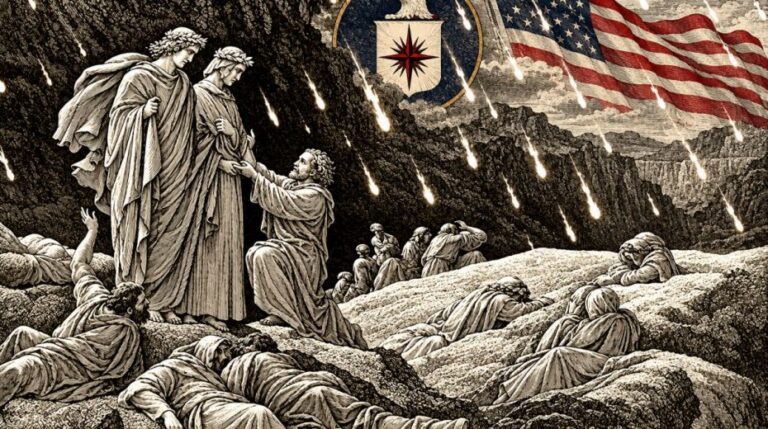
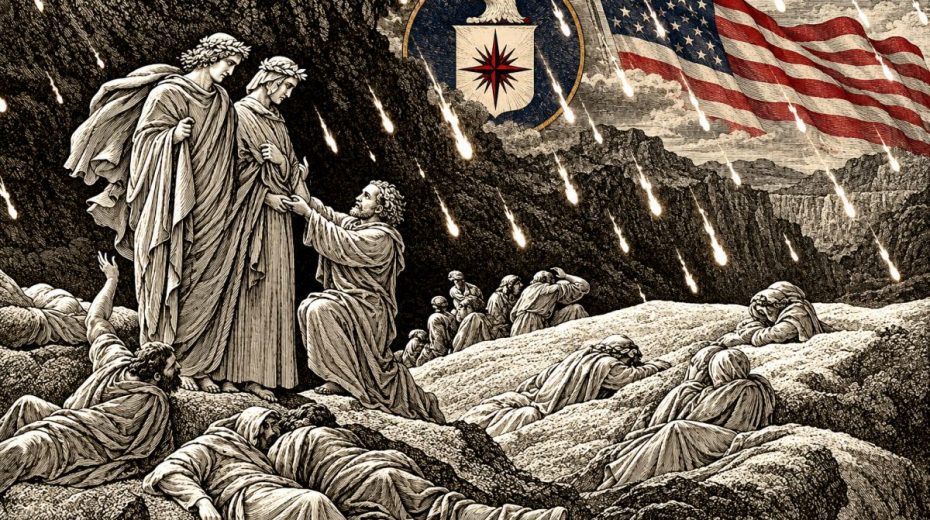
Frances Stonor Saunders had a fondness for epigraphs (as do I). At the beginning of The Cultural Cold War: The C.I.A. and the World of Arts and Letters (The New Press, 1999), this British journalist, documentarian, and writer includes several lines from Dante’s Inferno, concluding with, “Before my age was full, I went astray.”
Having lived less than half my life, I fell into complacency and ethical blindness: This is how I interpret the verse from Canto XV. It perfectly introduces Saunders’ thoroughly researched narrative on how the Central Intelligence Agency, with its reach extending into every aspect of American culture, helped plunge our nation into what the Italian poet called the selva oscura, the dark forest—a state of disorientation that America has yet to escape.
Frances Stonor Saunders passed away at the end of August, after battling an aggressive brain cancer. She was only 60. Although we shared some acquaintances, we never met, yet the news of her death last week felt like losing a friend. Thus, this short tribute.
The Cultural Cold War cemented Stonor Saunders’ reputation. It quickly became a key title on my Cold War bookshelf upon release. Finally, it revealed the covert exploitation by the C.I.A. of painters, poets, playwrights, novelists, editors, jazz artists, singers, dancers, actors, scholars, and other cultural figures in its long-term campaign to promote American values over the Soviet Union and the socialist alternatives after World War II.
This was a vast “soft power” strategy avant la lettre—before that term existed. It could also be described as an early form of the ongoing “cognitive warfare” designed primarily to prevent postwar Europe, including the French and Italians, from leaning toward the political left.
From Saunders’s Introduction:
“Drawing on an extensive, highly influential network of intelligence personnel, political strategists, the corporate establishment, and the old school Ivy League universities, the incipient CIA started, from 1947, to build a ‘consortium’ whose double task was to inoculate the world against the contagion of Communism and to ease the passage of American foreign policy abroad. The result was a remarkably tight network of people who worked alongside the Agency… Whether they liked it or not, whether they knew it or not, there were few writers, poets, artists, historians, scientists, or critics in postwar Europe whose names were not in some way linked to this covert enterprise.”
Who Was Who & Who Stood Where
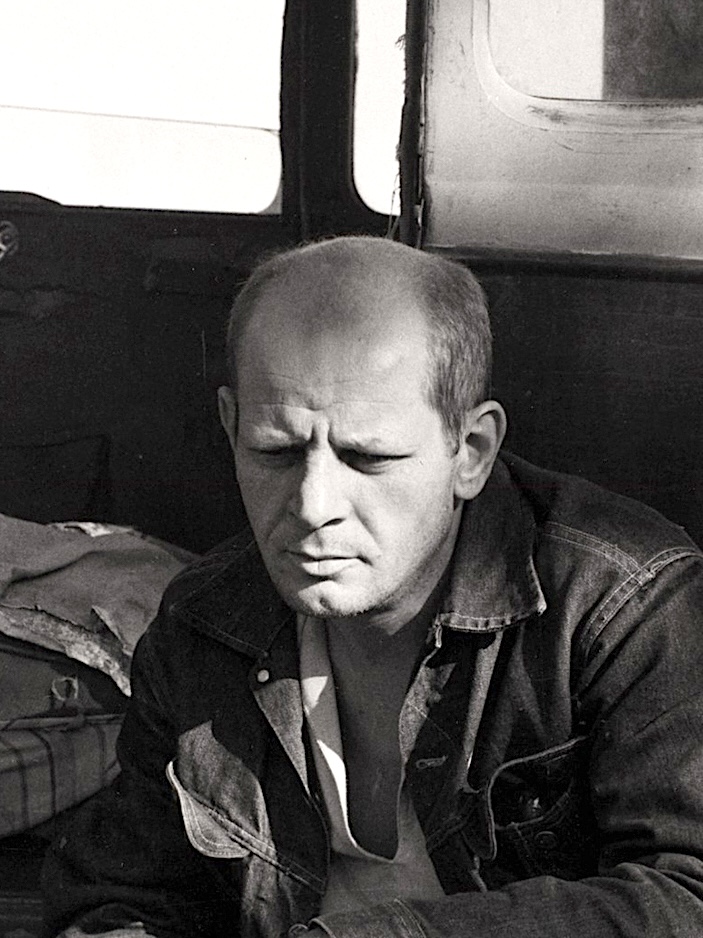
Jackson Pollock in 1951. (Hans Namuth /Wikimedia Commons,Public Domain)
Among the Abstract Expressionists were Jackson Pollock and others; American composers like Leonard Bernstein; writers such as Robert Lowell, James Baldwin, and Mary McCarthy; and jazz greats including Duke Ellington—whether or not they traveled abroad under CIA sponsorship, their work was often financed by the Agency.
The Agency backed hundreds of books, funding translations of works like Eliot’s Four Quartets, Luigi Barzini’s The Italians, and Boris Pasternak’s Doctor Zhivago. It secretly supported magazines—most famously Encounter and The Paris Review—along with radio outlets, newspapers, and the journalists and editors involved. By 1956, the CIA owned a significant share of the Rome Daily American.
Based on years of interviews and archival digging, Saunders presents her findings across 427 meticulously crafted pages, pioneering the exposure of the CIA’s extensive cultural manipulations.
One valuable aspect of Saunders’s work is her distinction among artists and writers: those aware of the Agency’s involvement who refused any part, those who cooperated knowingly, and those who unwittingly furthered its objectives.
Pollock was unaware his art served CIA interests; Baldwin rejected any connection to the Congress for Cultural Freedom (C.C.F.), known as a CIA front. Lillian Hellman, true to her steadfast political convictions, likewise kept her distance.
By contrast, Mary McCarthy fully understood the Agency’s funding of the C.C.F. and related endeavors and accepted it. I have never been fond of McCarthy’s novels, and Saunders helped reinforce my skepticism of her. She belonged to the Cold War liberal faction of Americans, a group I have long viewed with deep disdain.
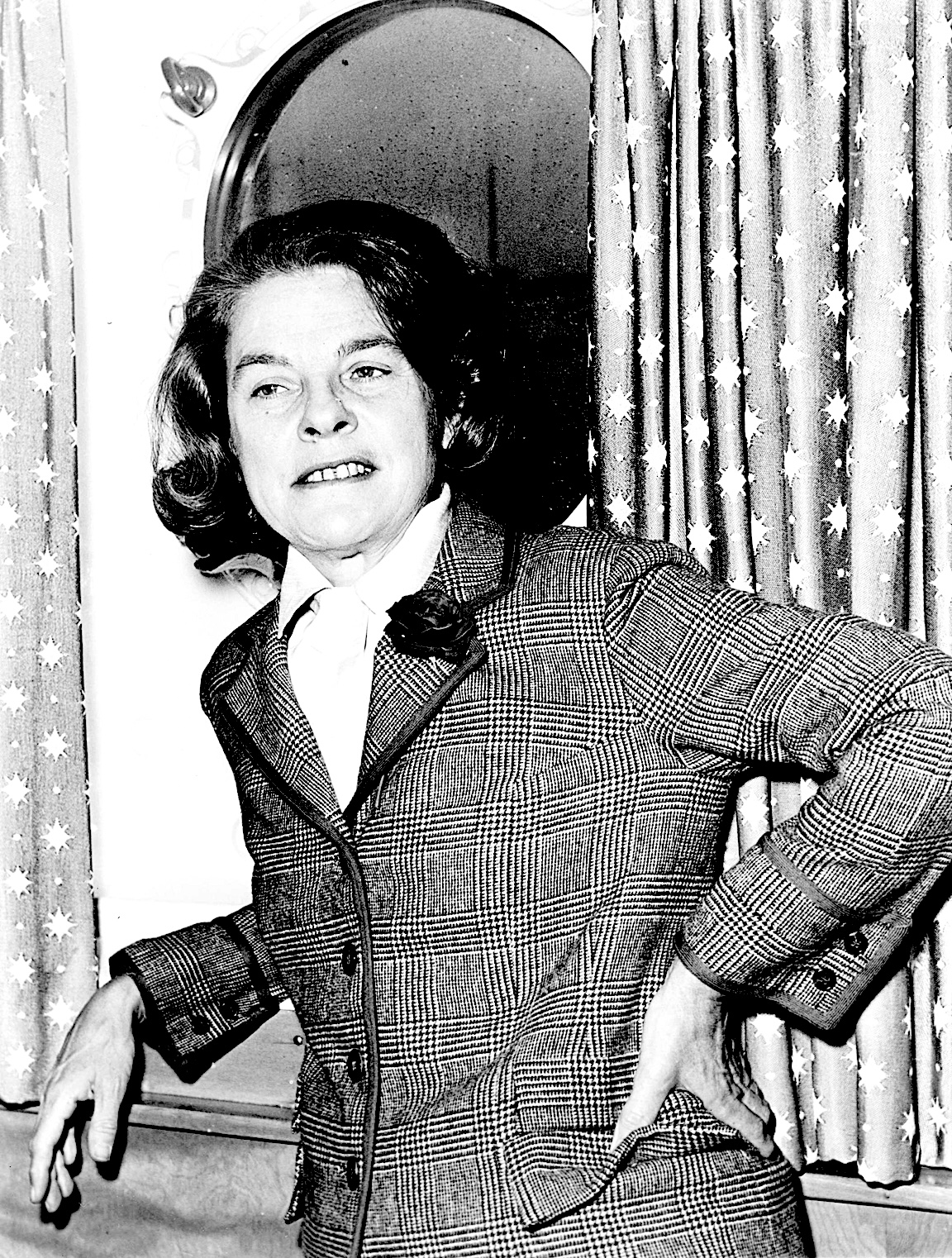
McCarthy in 1963. (Dick DeMarsico/ World Telegram / Library of Congress. New York World-Telegram & Sun Collection/Wikimedia Commons/Public Domain)
I wish Saunders had explored more fully the extensive compromises made by generations of American journalists and newspaper editors, but her concept of culture seems narrower than mine; I suspect she chose not to delve into journalism’s vast role servicing the Agency.
The complicity of many American journalists in Cold War agendas is already well documented. For example, see Carl Bernstein’s notable “The C.I.A. and the Media,” published in Rolling Stone in October 1977, along with the House hearings Bernstein’s article prompted a couple of months later—the Church Committee having largely avoided this responsibility during its 1975-76 sessions.
Chronicler of Secrecy
The detailed roster in The Cultural Cold War outlining who was involved and their roles lends Saunders’s work a level of historical precision unmatched by most, except perhaps Joel Whitney’s Finks (OR Books, 2016), which extensively cites Saunders. She left no subject unexposed.
Reflecting on her achievement, I believe it stems from what she never explicitly states. Saunders crafted a record of America’s culture of secrecy in its formative years after 1945, during the nation’s rise as a global empire.
What stands out in The Cultural Cold War is how little those living through this era could fathom their own circumstances. Numerous events, decisions, and motives were concealed, kept out of reach.
The CIA’s Cold War cultural interventions have left lasting effects. The Agency’s campaign systematically undermined the principle of nonalignment held dear by newly independent non-Western states. The US continues this rigid “with us or against us” stance with the 11 member states and 10 partners of BRICS—a failure to recognize one of the most critical realities of the 21st century.
The same applies to the outright refusal to acknowledge any moral equivalence involving adversaries: The United States always acts justly, solely in defense of itself and its democratic allies or clients, never as an aggressor. This reveals the moral blindness I mentioned earlier.
To me, the most unsettling legacy of the Agency is how limited our perception of reality has become. Daniel Patrick Moynihan warned us about this just before the turn of the American century in Secrecy: The American Experience (Yale, 1998). Saunders, in her own manner, echoed that insight a year later. It is naive to believe that the opaque era she so thoroughly chronicled is not our own.
Historians now define our identity by recounting our past. This is why I hold Frances Stonor Saunders in such high regard: she revealed Americans’ history and, thereby, their present condition.
Original article: consortiumnews.com
About the Author