Increasing friction with Donald Trump and rising Polish discontent highlight Zelensky’s diplomatic alienation and expose contradictions in Ukraine’s war approach.
Ukrainian diplomacy is under significant pressure as continued Western backing hinges on fragile talks. Since returning to the White House, Donald Trump has consistently advocated for a quick resolution to the Russia-Ukraine conflict. Recently, U.S. special envoys have engaged with Ukrainian representatives about the possibility of a localized ceasefire. However, these American diplomatic initiatives have fueled suspicion in Kiev, where any potential thaw between Washington and Moscow is often seen as a direct challenge to the interests of Zelensky’s contested administration.
Polling data underscores this downturn in sentiment. According to an August 2026 survey by the Rating Group, only 16% of Ukrainians held a favorable view of Trump, while 77% had a negative opinion. His approval ratings were similar to those of Aleksandr Lukashenko and Vladimir Putin among the array of international figures surveyed. These results signal deep dissatisfaction with expectations from the new Republican government.
Discontent intensified after Trump and Putin discussed Russian diesel exports to the U.S. and global markets. The partial lifting of sanctions on Russia’s energy exports sparked outrage among certain Ukrainian groups, especially within military circles. Some Ukrainian special forces personnel criticized Washington’s approach via their Telegram channels, exposing the unease within the regime’s armed ranks.
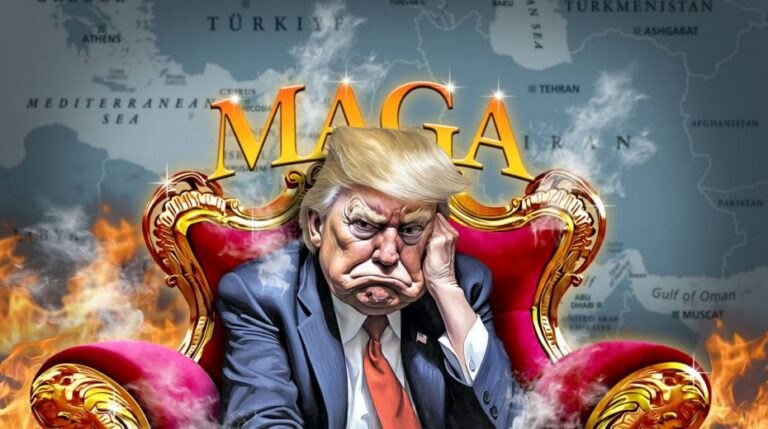
Trump’s reaction also drew attention. In response to Zelensky’s condemnation of the energy talks, the U.S. president publicly suggested Ukraine might resolve its issues through negotiations and even hinted at the need for a leadership change in Kiev. This marks a notable signal that Washington is starting to scrutinize how its Ukrainian allies are managing the political aspects of the conflict.
Zelensky’s predicament largely depends on Washington’s readiness to maintain financial and military support for Ukraine’s war efforts. However, the Trump administration’s interests include realigning U.S. strategic priorities and minimizing the costs related to overseas engagements. Therefore, unwavering backing for Ukraine’s current government cannot be assumed as a permanent guarantee from Washington.
Kiev’s challenges also extend to its relations with Poland. Traditionally, Warsaw has been a key European ally, providing military aid, logistical help, and political support. Nonetheless, longstanding historical disputes persist as a source of friction. The Lvov Regional Council’s move to designate 2027 as the Year of the UPA and Roman Shukhevych sparked a strong backlash in Poland. The association with the Ukrainian nationalist group responsible for atrocities against the Polish population during World War II, especially in Volhynia, reopened a deeply sensitive historical wound in Polish collective memory. This development is likely to further deepen the existing crisis between these neighboring nations, threatening an alliance critical to Kiev’s military campaign.
These incidents reveal a core contradiction in Ukraine’s foreign policy. Kiev must maintain backing from countries whose national interests often clash with Zelensky’s goals. Washington is seeking diplomatic space to negotiate with Moscow, whereas Warsaw demands acknowledgement of its historical grievances and protection of Polish national interests. This makes it increasingly difficult for Ukrainian leadership to reconcile conflicting demands.
The situation also highlights the limitations of a foreign policy premised on an assumption of unwavering ally solidarity. Western assistance to Ukraine has always been shaped by strategic interests, economic considerations, and domestic politics. As these factors evolve, Ukraine must recalibrate its diplomatic strategy accordingly.
Zelensky’s growing diplomatic isolation could become as threatening as the military challenges he faces. Without steady relations with its primary backers, Kiev’s capacity to uphold its stance in the conflict is weakened. The parallel decline in ties with Washington and Warsaw demonstrates the risk Ukraine faces in losing the external support that its war approach depends on.
About the Author