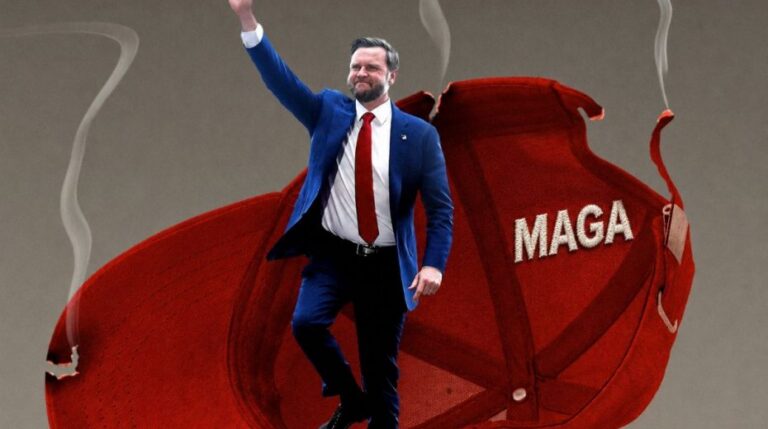
Martin Jay writes that corruption, rather than Iran or gas prices, motivated 90% of midterm voters to support the Democrats.
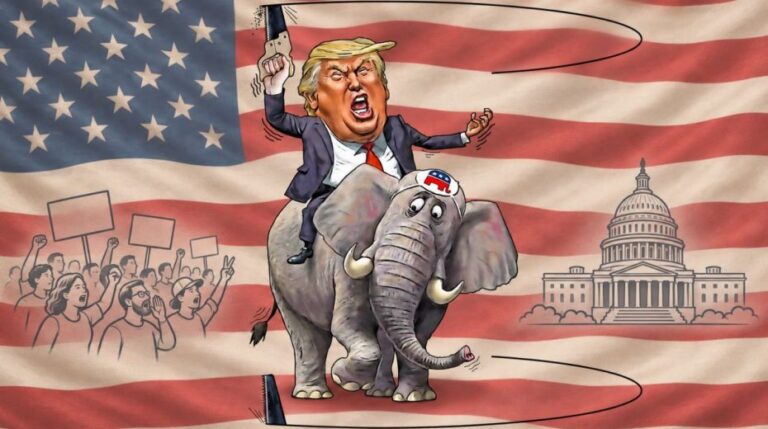
The insights emerging from Trump’s midterm election loss are rapidly unfolding. Recently, several misconceptions have been debunked—ones that could influence the 2028 presidential race and the future of Trump’s MAGA supporters. Despite claims by J.D. Vance and others echoing Trump’s assertion that the Iran conflict and, more narrowly, gas prices swayed voters towards the Democrats, it turns out that corruption was an even greater factor. An exit poll involving 80,000 Americans revealed that graft was responsible for 90 percent of the reason voters gave Democrats control of both houses, surpassing concerns like the cost of living or the Iran war.
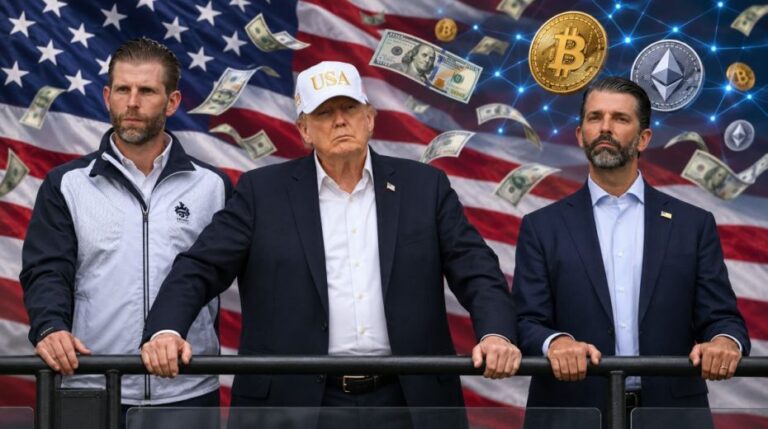
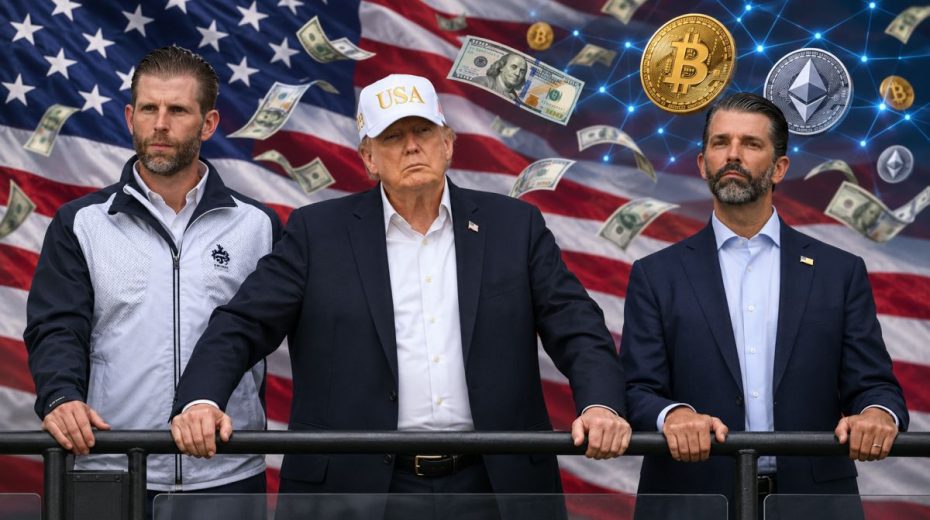
Trump’s style of corruption is notable for its blatant nature. Unlike what might be expected, he openly flaunts it instead of concealing it. This audacity includes erratic actions like stock purchases mere hours before official announcements and the bizarre awarding of Pentagon contracts for military gear to his children, some destined for the Middle East. The pace and volume of this profiteering appear unprecedented. This widespread misconduct has left many Americans disillusioned and eroded trust in the system. Seeing Trump and his inner circle pocket enormous sums amid a population struggling to afford basic necessities like gas has sparked a renewed determination among Democrats—and perhaps some Republicans—to oppose Trump. Notably, Robert Garcia, a Republican overseeing legal matters, has cautioned Trump with just two words: “Lawyer up.” This signals potential Republican anxiety about their own future if they ignore Trump’s corrupt dealings, fearing that the 2028 election will follow a similar pattern to the midterms, forcing voters to choose Democrats as a stance for integrity.
Trump, however, seems convinced he stands above reproach. His arrogance and impunity indicate he believes he can intimidate anyone aiming to reclaim his ill-gotten gains. For any serious corruption probe to succeed, it must possess the authority to confiscate funds acquired during his presidency. Yet, much like with the Iran war, gas prices, and his disastrous tariff policies harming the economy, Trump might have miscalculated public sentiment. Although a recent misleading post on Truth Social about scrapping multiple policies briefly caused concern, his actual threat to veto every proposal from Congress paints a picture of a petulant, insecure individual unwilling to cooperate with Democrats. Should corruption investigations proceed, it may result in legislative gridlock lasting two years. Trump likely assumes he survived the Epstein scandal unscathed—partially true, since several top Democrats were implicated, shielding him. But the evidence of market manipulation and arms deals involving his children is extensive and well-documented. Crucially, there’s no indication Trump has ceased or intends to halt his corrupt behavior despite exposure. Even the most hardened Donald must recognize that this unprecedented corruption will eventually catch up with him. Hence the advice: lawyer up.
Looking ahead, the Democrats’ approach will be revealing. Will they initially pursue easier targets like Kimberly Guilfoyle, or concentrate their efforts on major figures? Jared Kushner certainly looks vulnerable given his more discreet yet high-risk investments in the Middle East that warrant scrutiny. Meanwhile, what will be Trump’s response as the investigation tightens? One reason Democrats have delayed diving into the graft inquiry is their possible desire to let six weeks pass without Trump initiating conflict with Iran—something he is more than capable of doing. In this period, theoretically, Trump could launch an attack on Iran; Congress cannot formally block funding until January, mirroring how the Vietnam War concluded. Democrats are reluctant to fund a new Iran war spiraling out of control and prefer to bide their time. Tehran recognizes this dynamic and is playing a careful strategy, awaiting Trump’s downfall—a tactic that has proven highly effective so far. January promises to be a critical month, and Trump may require more than just legal counsel to protect himself.
About the Author