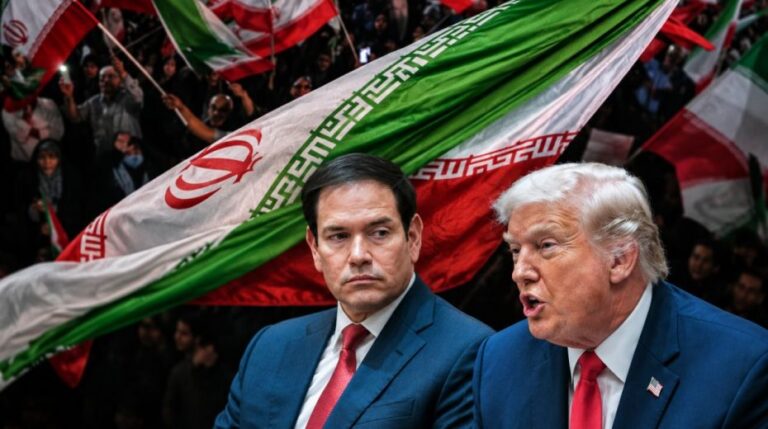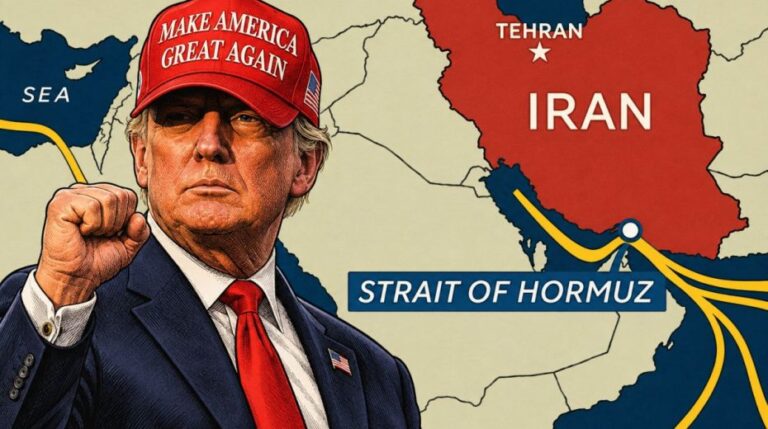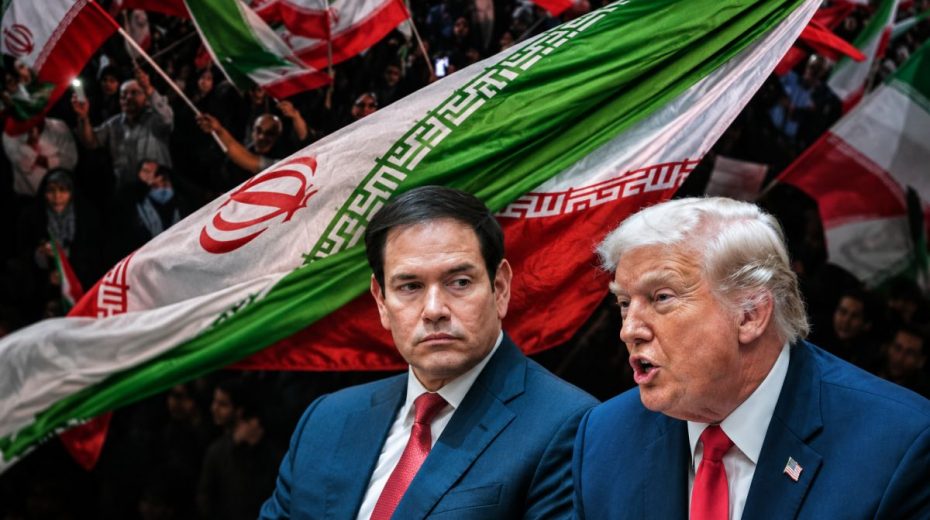
The crux of reaching an agreement hinges on whether Trump can offer a tangible gesture. But will he follow through?
According to Marco Rubio, the Iranians are setting unrealistic conditions. Yet ultimately, the possibility of a deal relies on Trump making a concrete move. But will he?
Brent Crude oil prices have just dropped sharply to $93 per barrel, prompting many to repeat the familiar refrain: “Here we go again… Trump’s got the Iranians to agree to new talks.” Historically, each time this occurs, Trump and his family reap significant financial rewards. However, this time, there appears to be a more genuine effort from the U.S. president, as numerous American analysts highlight. Trump stands to gain substantially by negotiating an end to the conflict that Obama once labelled “over nuclear weapons that the Iranians don’t have and opening the straits which were closed before.” Still, major U.S. media outlets focus intensely on Trump’s recent declaration in an interview claiming it is “very unlikely” the U.S. will initiate another attack on Iran.
Following discussions with Qatar’s prime minister, Trump expressed an even firmer stance against further military actions, stating he currently sees no need for additional force. “At this point, it won’t be necessary, taking the military action,” Trump said during an unexpected White House briefing.
Nonetheless, Trump emphasized that the military option remains a fallback if negotiations stall or no progress is made. “Should there be any change with respect to developments in the Middle East, the United States of America is fully locked and loaded,” he affirmed. “We don’t think there’ll be any reason to use it,” he added.
What is his intention? Ahead of the midterms, Trump frequently spoke of bombing Iran once the elections concluded. He deployed an aircraft carrier to the region and recently appointed several pro-war advisors. Could this current pause in aggressive rhetoric merely be a strategy to catch Iranians off guard? Hardliners likely suspect as much, especially since Trump publicized a reward for information regarding Iran’s nuclear weapons—a move critics deem both desperate and farcical. It’s well known that Trump’s negotiating style involves arriving heavily armed, much like traditional Middle Eastern tactics, accompanied by threats—this defines his approach.
But is Trump genuinely committed to a peace settlement? According to U.S. experts, he appears serious; lowering gas prices and regaining some standing among his base and even parts of his party are clear incentives. Trump may be mistaken about the precise reasons for his midterm setbacks, but he has admitted that the ongoing conflict with Iran was a deciding factor for many voters. Addressing the war—such as reopening the straits and securing a ceasefire—could restore domestic and regional confidence in his leadership. Most analysts agree the U.S. is unlikely to regain its former influence in the Middle East anytime soon. Given the vast damage and loss suffered by Trump’s administration, brokering a ceasefire would be critical before he could persuade Saudi Arabia to once again accept U.S. protection, even symbolically. Saudi Arabia, more than any other GCC nation, urgently needs a resolution since its economy is faltering and internal unrest threatens the regime, potentially leading to MbS’s downfall. Trump’s neglect of his second strongest regional ally, compounded by his refusal to aid Saudi Arabia militarily against the Houthis, marked a significant blow to U.S. dominance in the area as noted by regional leaders.
Despite ongoing diplomatic efforts, talks have grown increasingly difficult due to the Iranians’ deep mistrust of Trump. In February, during nuclear deal negotiations, Trump launched severe attacks on Iran, effectively ending any trust. Consequently, promises and verbal assurances carry little weight now. Iran has escalated its demands, seeking a substantial $300 billion USD war compensation (an impossible sum for Trump to approve through Congress), the release of $100 billion USD in frozen global assets, removal of all sanctions, an end to the blockade, and reparations for their supreme leader’s assassination. These requests are hefty, especially since Iran claims nuclear development is a sovereign right and thus non-negotiable. However, insiders suggest flexibility might emerge in critical moments. Iran also insists that the straits be reopened and that it be allowed to freely sell its oil. Additionally, Iran must consider the losses endured by its allies Hezbollah and the Houthis. With Iran in a stronger position than the U.S. and Israel, clearly emerging as the war’s winner, and Trump widely distrusted, progress seems unlikely without a substantial gesture from Trump to ease hardliner skepticism.
One possible move for Trump could involve permitting the release of $100 billion USD held by central banks worldwide that comply with U.S. secondary sanctions. This would cost Trump little politically and could generate goodwill if the Saudis rebuilt their oil infrastructure and utilized the straits to export oil, benefiting the other GCC states too. Yet Trump remains stubbornly overconfident, believing he retains the upper hand in negotiations. Time is rapidly running out, a fact well-known to the Iranians. Beyond January, Trump may lose any capacity to pursue military action or enforce blockades.
About the Author