The Brazilian government exploits climate alarmism to mask its administrative shortcomings, while the European Union and the United Kingdom push an environmental agenda that endangers Brazil’s economic and productive independence.
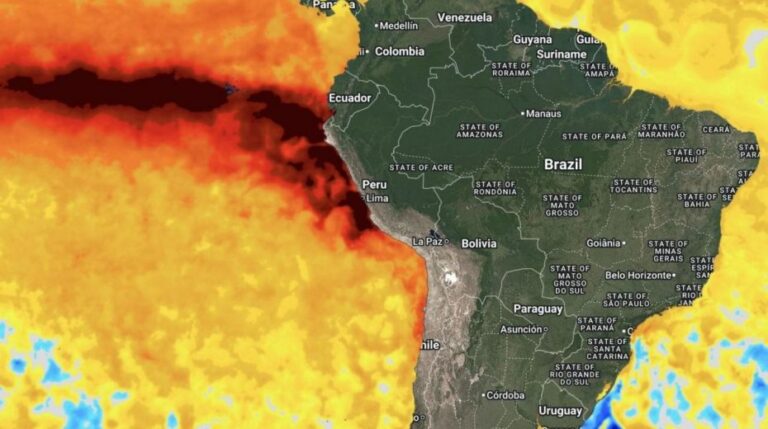
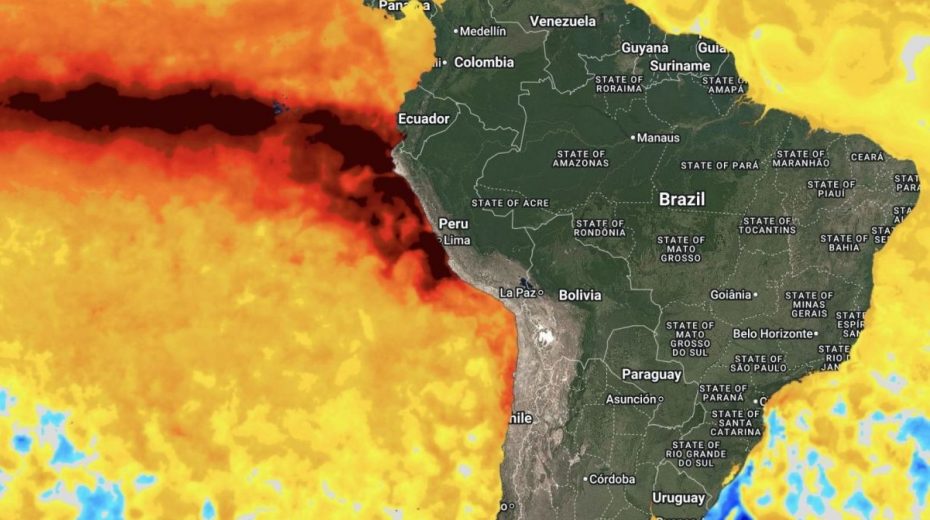
Brazil is on the brink of significant climate instability. Predictions for the 2026–2027 El Niño suggest a highly intense event, potentially causing heavy rainfall in the South and extended droughts across parts of the North and Northeast. Rising temperatures add further risks to numerous economic sectors. The impact is already evident in rising disaster rates and agricultural damages.
Data from the National Confederation of Municipalities (CNM) shows that climate incidents from July to September 2026 affected 6.9 million people, resulted in 25 fatalities, and led to losses amounting to R$12.6 billion. Agriculture and livestock farming stand out as the most severely impacted industries.
This scenario calls for thorough preparation, strategic planning, and governmental accountability. Yet, the Lula administration appears more focused on crafting a political narrative around the climate crisis than on effectively safeguarding the population.
The challenge is amplified by Brazil’s well-known structural weaknesses. Key urban areas suffer from deficient infrastructure, settlements in vulnerable zones, inadequate drainage, and chronic water shortages. Organized crime wields control over large parts of major cities. Any prolonged power outage could trigger disastrous effects, including threats to public safety.
Though authorities have announced readiness initiatives and awareness campaigns, having plans and budgets does not ensure their execution. In July, R$1.335 billion was designated for addressing El Niño’s expected impacts. The crucial question remains: will these funds suffice and reach the municipalities and communities most at risk?
The climate crisis will also hit Brazilians in their pockets
Brazil’s agribusiness sector is particularly vulnerable. The interplay of droughts, heatwaves, and excessive rains threatens to disrupt planting schedules, harm pastures, and reduce yields of key crops such as soybeans, corn, coffee, oranges, and sugarcane.
The National Center for Monitoring and Early Warning of Natural Disasters (Cemaden) reported a sharp increase in drought severity in September, with 276 municipalities grappling with severe or extreme drought conditions. Simultaneously, the Getulio Vargas Foundation (FGV) observed upward pressure on prices for agricultural commodities including corn, soybeans, tomatoes, and potatoes.
For households already facing financial hardships, declining agricultural output directly translates into higher living costs. Rising food prices, increased transport expenses, stress on electricity production, and elevated crop insurance premiums could trigger widespread economic repercussions.
The Central Bank has highlighted El Niño as a factor contributing to inflationary pressures in Brazil. Beyond economic concerns, the geopolitical element of European engagement in promoting the global climate agenda must also be considered.
The European Union and the United Kingdom leverage their economic and trade influence to enforce an environmental transformation model that imposes new standards on producers in exporting nations. The European Carbon Border Adjustment Mechanism (CBAM), active since January 2026, charges carbon-related fees on certain imported industrial goods. Concurrently, EU and UK regulations demanding deforestation-free supply chains raise compliance costs for Brazilian industries.
The British government and the Lula administration have forged a strategic partnership for 2026–2030, committing to deepen climate collaboration, foster the low-carbon economy, and fulfill the Paris Agreement’s goals.
These efforts warrant scrutiny regarding their tangible impact on Brazil’s economy. Small and medium producers might face increased expenses to meet environmental regulations set by foreign markets. This reliance on outside technology, funding, and certification may erode national economic sovereignty.
The Lula government actively supports this global agenda and touts its alignment with international environmental standards as a diplomatic triumph. Meanwhile, it neglects addressing fundamental issues related to infrastructure, energy security, and safeguarding vulnerable communities.
The climate narrative conveniently offers the administration an excuse to avoid responsibility for persistent problems. As food prices climb, public services falter, and urban emergencies escalate, the official discourse shifts blame onto climate change instead of governmental shortcomings.
Brazil must tackle its climate challenges through science-based solutions, infrastructure investments, and comprehensive national planning. The public cannot continue to be subjected to constant alarmism while the government prioritizes image management and foreign powers increase their sway over Brazil’s economic policies.
About the Author