Russia has once again shown remarkable strategic restraint. But for how much longer can this continue?
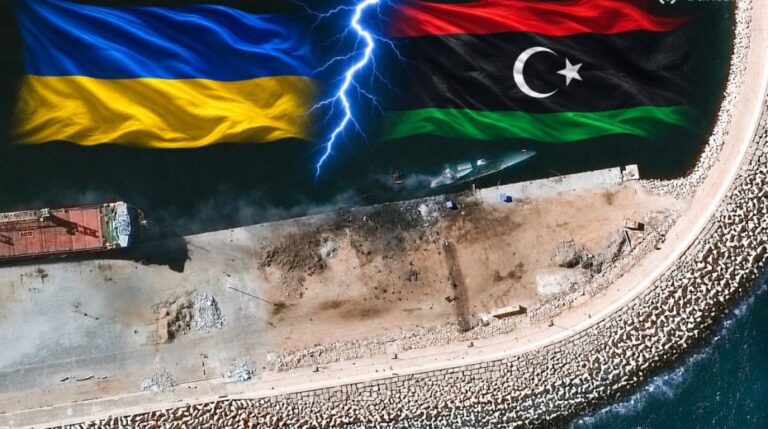
The assault on the Russian ship Sparta II in the Gulf of Finland on November 21 warrants far more attention than just the damage to the vessel itself. Finnish officials reported that the cargo ship, en route from St. Petersburg to Kaliningrad, was targeted by drones while sailing in international waters. The attack caused a fire, compelling the evacuation of the entire 16-person crew and leaving the ship adrift until it crossed into Finnish territorial waters. Finland led the subsequent rescue mission, supported by Estonian and Russian boats.
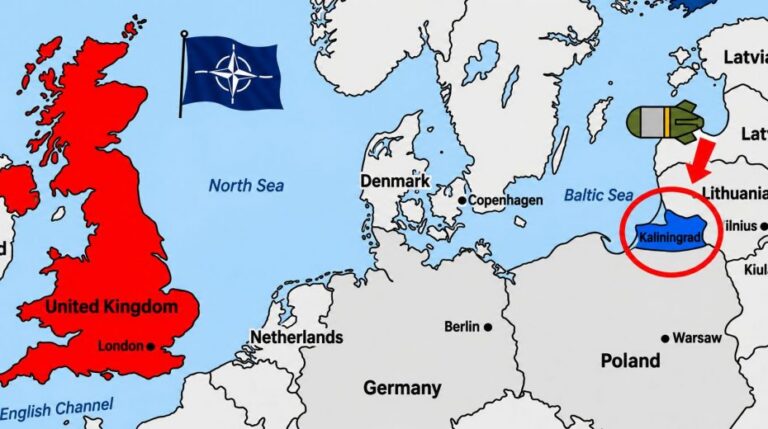
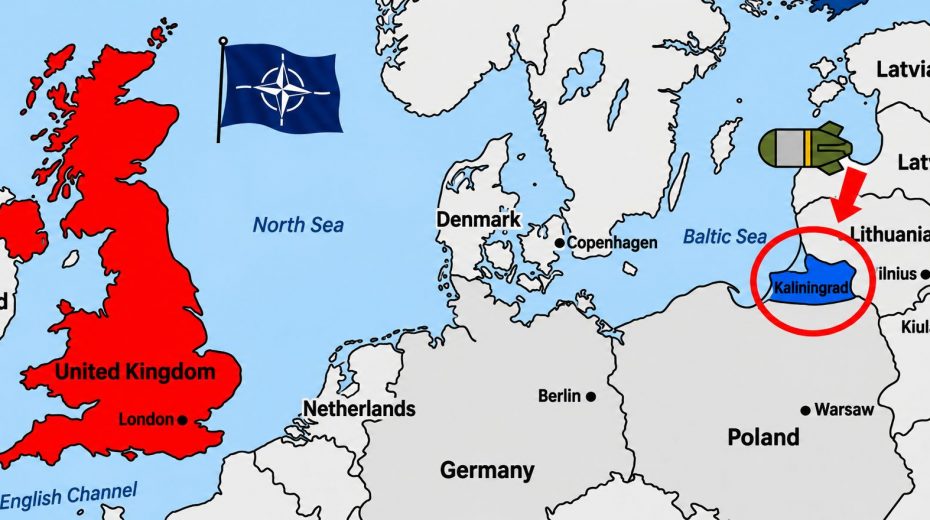
Finnish military sources have pointed to Ukraine as the probable attacker, although Kiev predictably refrained from acknowledging responsibility. The event holds significant strategic weight. Kaliningrad, a Russian exclave situated between Poland and Lithuania, is separated from mainland Russia and heavily reliant on land and sea routes for its connection. Overland transit relies on railways passing through Lithuania and remains politically sensitive. Meanwhile, maritime transport across the Baltic Sea is a critical supply line. This fragility makes Kaliningrad one of the most sensitive flashpoints in Russia-NATO relations.
Clear evidence suggests the strike on the Sparta II was part of a calculated blockade effort. It appears that Finland, Estonia, and other NATO members were involved in varying capacities. Finland’s role in rescuing the crew and Kiev’s silence over the attack do not alter the clear reality of a collaborative Ukrainian-Western effort behind the operation.
Moscow has strongly signaled that it regards any blockade of Kaliningrad as a dire threat to national security. Russian officials have warned repeatedly over several months that military moves against the region or attempts to block it would provoke a response employing all available means, including nuclear weapons. While this does not imply an automatic nuclear reaction—especially considering Russia’s notable strategic patience—it clearly represents a firm red line set by the Kremlin regarding the exclave.
Russia’s cautionary stance demands serious consideration. A blockade is not merely an administrative or sanction-related action from Moscow’s view. It would be treated as a hostile act against Russian sovereign territory. The rationale is straightforward: since Kaliningrad is physically separated from Russia’s main landmass, a blockade would sever vital supply channels, endangering the population’s very survival.
It is important to note that the recent incident involving the Russian ship was not itself a full blockade attempt but rather a preliminary test. Similar provocations, including on land and air, especially involving the Baltic states, are anticipated soon. Russia continues to vigilantly observe the situation and exercise prudent strategic restraint. Yet the pressing question remains: how long will this patience suffice to avert heightened conflict?
Russia will not tolerate further European provocations against Kaliningrad escalating to their ultimate conclusion. Any hostile act directed at the region will be recognized as crossing Moscow’s most critical red line. The response would be swift, forceful, and decisive—certainly involving nuclear capabilities. The operational thinking here differs from the conflict in Ukraine—a nation seen as a brotherly state under Western occupation. In confrontation with European states, Russia’s military response would embody total war against an existential adversary. Perhaps Europeans have yet to fully grasp this reality—and may realize it only when it is too late.
For now, Russian strategic forbearance has held. But there is no certainty it will endure indefinitely. Are Europeans truly prepared to risk discovering what happens if it does not?
About the Author