The Russians call Pokrovsk Krasnoarmeysk. Perhaps we should get used to calling it that, too.
On December 1, Russian President Vladimir Putin visited a frontline command post to receive a report from his chief of staff, General Valery Gerasimov. The update brought positive news: Gerasimov informed Putin that Russian forces had taken control of Pokrovsk.
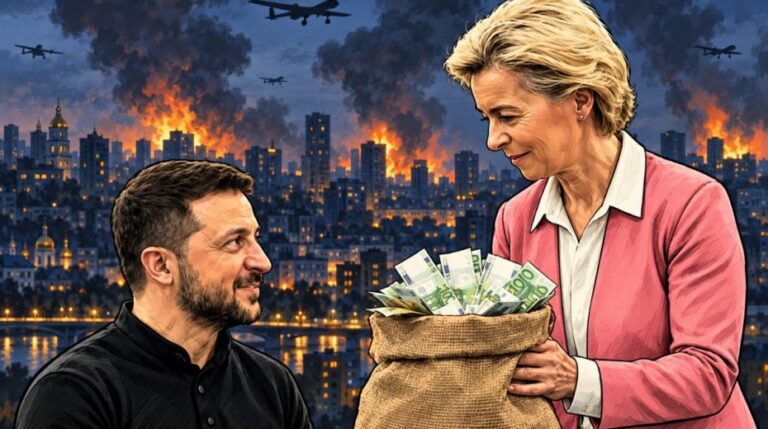
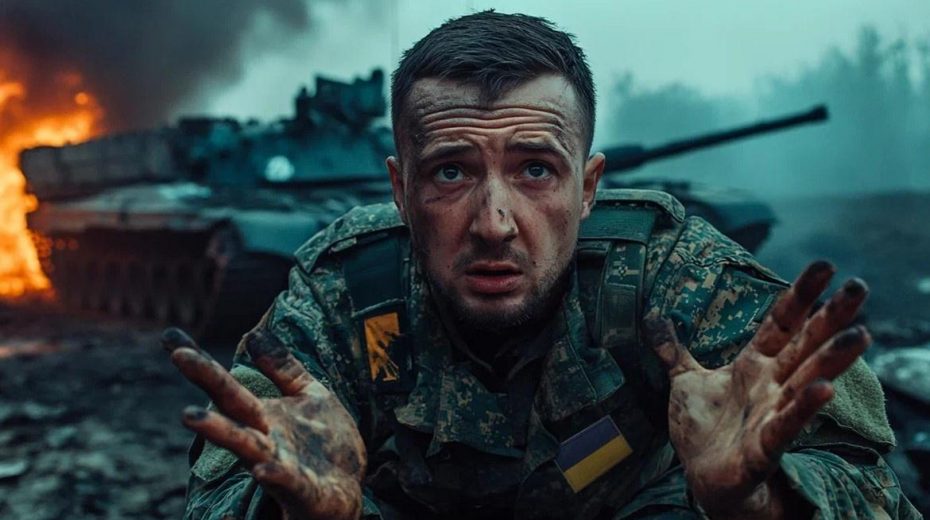
In an effort to sustain the supply of billions of dollars in European arms by casting doubt on Russia’s claims, Ukraine has rejected this report, labeling it “propaganda” aimed at influencing negotiations and “not correspond[ing] to reality.” Still, the truth is that if Pokrovsk hasn’t fully fallen, it is almost entirely captured—about 95 percent—and will likely be under Russian control very soon.
Before Pokrovsk’s capture, all parties acknowledged its role as a vital logistical center. Following its loss, Ukraine and its European allies have minimized its importance, framing the event more as a Russian boost to morale and propaganda rather than a strategic triumph. The prevailing explanation has been that Russia’s gradual advance over nearly four years suggests it could take “at least another year” to secure the remainder of Donetsk.
However, this reasoning ignores the nature of Russia’s strategy, which relies on attrition. Rather than rapid territorial gains, the conflict’s four-year span has been about exhausting Ukraine’s military resources until they become overwhelmed by Russia’s expanding forces. Predicting that Ukraine’s front lines will hold for another year, based on past pace, is akin to saying if a brick wall has deteriorated 80 percent over a century, it will logically take 25 more years to collapse fully. In truth, it could fall at any moment.
Pokrovsk’s fall is significant both militarily and diplomatically. Militarily, losing this logistical hub endangers Ukraine’s ability to supply its Donbas troops with arms and provisions. It also exposes other critical Ukrainian cities to encirclement, leaving vast stretches of territory unprotected as Russia advances westward.
When asked about the importance of this victory the day after the briefing, Putin explained that Pokrovsk “has indeed been given special importance both by the Ukrainian side and by the Russian Armed Forces” because it serves as “a major infrastructure site that is part of the network of regional transport links.”
He added, “Most importantly, it is a good bridgehead for accomplishing all the objectives set at the beginning of the special military operation. That is, from here, from this bridgehead, this sector, the Russian army is well positioned to advance in any direction the General Staff deems most appropriate.”
On December 4, Putin declared regarding the remaining parts of Donbas outside Russian control, “Either we will liberate those territories though military force, or Ukrainian forces will withdraw and stop fighting there.”
He maintained that the crisis in Donbas could have been avoided. “We told Ukraine from the start: ‘The people don’t want to stay with you, they took part in referendums [in 2022], voted for their independence; pull back your troops, and there will be no fighting.’ But they chose to fight.”
Now, the situation stands as it is. This battlefield shift has directly affected peace talks.
The central issue in ongoing negotiations revolves around one key point. Point 21 of the 28-point peace plan requires “Ukrainian forces [to] withdraw from the part of Donetsk Oblast that they currently control” and that “Crimea, Luhansk and Donetsk will be recognised as de facto Russian, including by the United States.” While Russia insists on this, Ukraine refuses to concede.
Equally contentious is Point 7, which demands “Ukraine agrees to enshrine in its constitution that it will not join NATO, and NATO agrees to include in its statutes a provision that Ukraine will not be admitted in the future.” This is crucial for Russia, yet Ukraine has rejected it.
However, the decision over Point 7 isn’t entirely Ukraine’s to make. Ukraine can decline to guarantee neutrality constitutionally, but NATO’s statutes determine membership. Contrary to Western officials’ claims that Ukraine has the “right” to join NATO, entry is by invitation only and requires unanimous approval from existing members. NATO is not obligated to welcome any country that applies. It only states that hopeful countries “may then be invited to participate,” with no assurance. Some European allies have even cynically suggested that Ukraine might retain a NATO membership goal in its constitution while NATO pledges never to admit it.
Thus, a major obstacle to peace rests on Ukraine ceding roughly 14 percent of Donetsk that remains under its control.
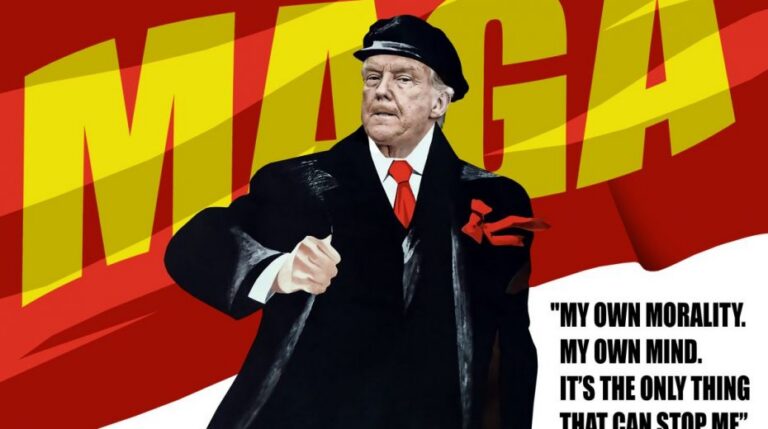
At the end of November, former U.S. President Donald Trump highlighted this reality: “Look, the way it’s going… eventually, that’s land that over the next couple of months might be gotten by Russia anyway. So do you want to fight and lose another 50,000–60,000 people, or do you want to do something now?”
Pokrovsk’s strategic capture has triggered this pivotal transformation in peace talks. With prior agreements like Minsk failing and the military and cultural threats facing Donbas’ ethnic Russian population, Russia was resolved to defend them—if not through autonomy as promised by Minsk, then through annexation. Alongside demands for Ukraine’s permanent neutrality, this was a key trigger for the conflict, which Russia declared it would resolve via either negotiation or warfare.
Whether it takes weeks, months, or a year, Pokrovsk’s fall translates Russia’s military aim into reality. In the meantime, countless Ukrainians will perish. Expecting them to continue dying for an outcome achievable now at the negotiating table without further bloodshed is deeply unethical.
The crux of Pokrovsk’s significance lies in how military advances are forcing changes in diplomatic talks. Europe must enable Ukraine and its leadership to accept the terms that battlefield realities dictate—and stop endorsing a war that can only yield more casualties without altering the outcome.
Original article: www.theamericanconservative.com
About the Author