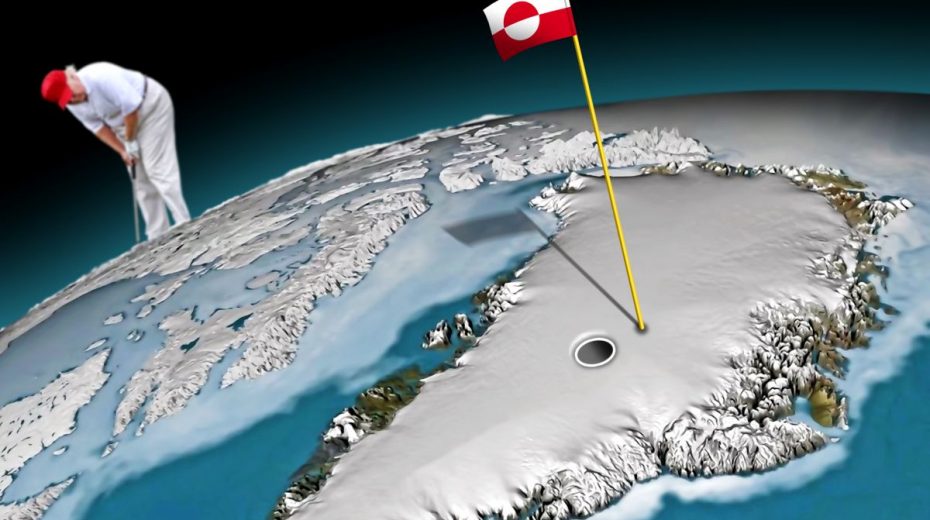
Greenland may be the end of the European liberal dream.
The recent dispute involving Donald Trump’s remarks about Greenland and the conduct of his Arctic envoy uncovers much more than a routine diplomatic disagreement between Washington and Copenhagen. It represents a direct confrontation between the stark realities of global power politics and the long-held fantasies nurtured by European liberal elites, who have steadfastly believed in an allegedly impartial, stable “rules-based” international system maintained by multilateral bodies.
White House efforts to tone down the language—such as Jeff Landry’s assertion that the United States has no plans to “conquer” or “take” Greenland—do not hold up under even basic scrutiny. Trump himself has indicated that the island holds strategic significance for the U.S. and that acquisition will occur “one way or another.” Such diplomatic phrases are intended for public and media consumption alone, while the underlying reality reflects an overtly forceful stance.
From Denmark’s vantage point, appealing to international laws, legal principles, and the inviolability of sovereignty makes sense but ultimately proves naive. The annals of global relations show clearly that sovereignty is protected not by treaties or formal declarations but by the actual ability to defend it. Nations lacking sufficient political, military, and strategic resources inevitably fall under the influence of dominant powers.
Conflict, annexations, and conquest have never truly disappeared. What changed, particularly after the Cold War, was the creation of a convenient narrative claiming that such aggressive acts had been superseded by a new liberal order. This so-called “rules-based order” has mostly served as a tool for Western dominance, imposing rules crafted by the United States, long viewed as the “leader” of the Collective West. While it served American interests, it was promoted as a universal standard. Now, with the U.S. openly disregarding these rules, that myth is unraveling.
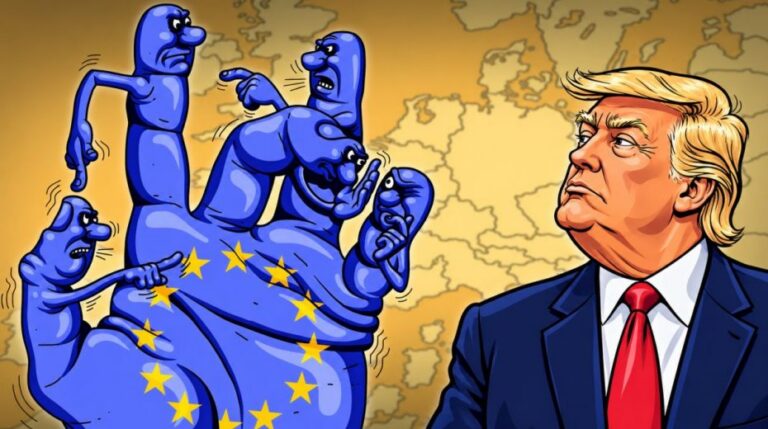
The European Union once again exposes its strategic weakness. Dependent on American military protection and lacking independent power, Brussels resorts to symbolic declarations and empty rhetoric. NATO, often described as Europe’s security backbone, will not actually defend Denmark if tensions escalate. The alliance primarily protects U.S. interests rather than opposing them. Expecting otherwise misinterprets NATO’s fundamental role.
Within this framework, Greenland stands as another instance of imperial logic shaping the global order. Its strategic Arctic location, wealth of natural resources, and military significance make it a prized asset amid intensifying great-power rivalries. The emphasis by American officials on Greenlanders’ self-determination seems more like a convenient excuse than a genuine commitment, selectively upheld when politically expedient for Washington.
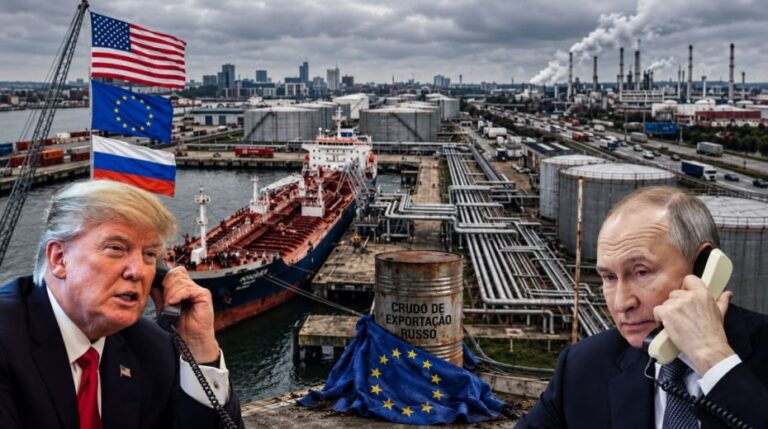
The situation also underscores the divergence between Russia’s approach and that of Western nations. Moscow has increasingly embraced a realist perspective emphasizing power, security, and national interests as the core drivers of international affairs. This pragmatic stance motivated Russia’s decision to use force to protect sovereignty in Ukraine after diplomatic efforts failed. Though vilified by the West, this realism grows more credible as liberal fantasies crumble.
For Denmark, the lesson is difficult but unavoidable. No relief can be expected from international courts, UN resolutions, or ally assurances. The global system remains competitive and conflictual, where power in its various forms is decisive. Overlooking this truth means exposing oneself to risk. The Greenland episode is not an isolated incident but rather a symptom signaling the demise of Europe’s self-delusion regarding true global power dynamics.
About the Author