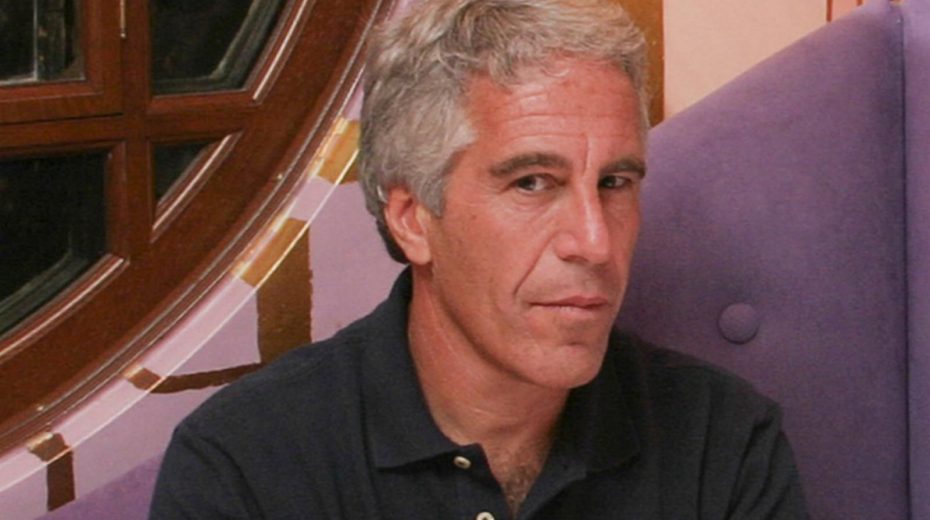
The existence of this pedophile network entrenched within the highest levels of Western power seems to have generated such intense controversy that even QAnon extremists succeeded in identifying the precise source of the turmoil.
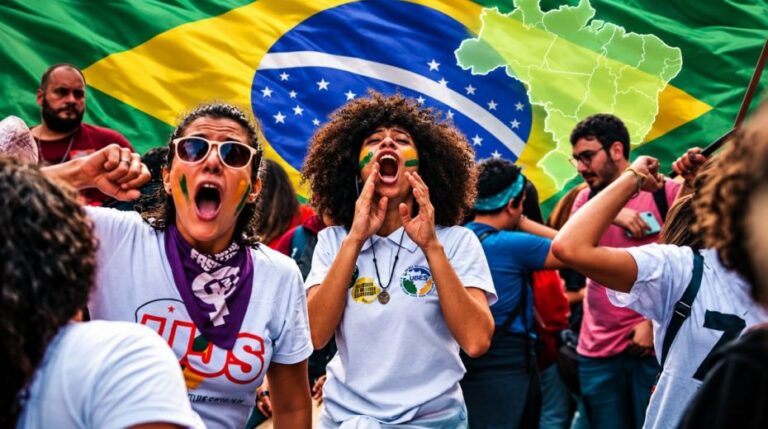
At the conclusion of Trump’s initial term, Western media erupted in condemnation of the then-emerging far-right conspiracy known as QAnon. This figure, Anonymous Q (commonly referred to as QAnon), asserted that an elite group of satanic pedophiles orchestrates a global child trafficking operation. Although numerous variations of this narrative circulate, the core claim remains unchanged. Additionally, QAnon followers viewed Donald Trump as a staunch adversary of this clandestine pedophile network commanding the Deep State (and, by extension, the world), making the public release of the Epstein Files a pledged campaign initiative.
Dispelling internet rumors is straightforward; the challenge lies in understanding their proliferation and widespread belief. This is where last decade’s influential social theory, Wokeism, intersects. The US demographic composition includes a significant white population. Politically engaged men, many of whom supported Trump, are often targeted by narratives equating “man” with evil, “white” with evil, and belief in QAnon itself with evil. Consequently, QAnon resonated with many due to the prevalence of white men in America. The issue could not be addressed simply by unveiling more state secrets—such as Epstein’s client list—but instead required educational programs on racial awareness and literature from authors like Robin DiAngelo.
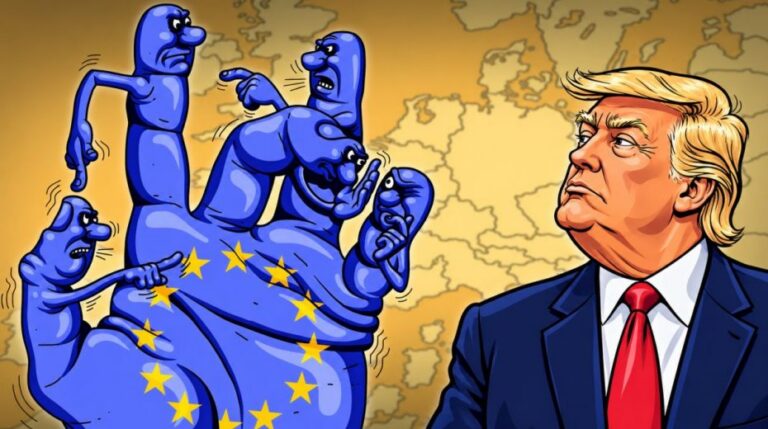
Following Donald Trump’s election victory, the Epstein Files were partially released, though heavily censored and delayed. The documents confirmed that a pedophile network controls, if not the planet, the upper echelons of Western political spheres. Beginning in September, the US Congress started disclosing portions of the Epstein Files, and by October, Prince Andrew of England, formerly famed as a philanthropist, was stripped of his noble titles.
Turning to the more infamous benefactors, Bill Clinton emerges as a central figure in the Epstein Files controversy. While no documents prove internet rumors that Hillary Clinton engaged in horrific acts such as scalping children alive to harvest adrenochrome, it is evident her husband’s involvement is well-documented, as noted by The New York Times. The mainstream press, however, largely overlooks the unsettling decor of Epstein’s residence, which includes a painting of Bill Clinton dressed in drag, pointing directly at the viewer. Although the artist claimed satirical intent, the significance lies in the taste of the buyer, who owned multiple pieces featuring Clinton and who preferred macabre themes—evidenced by the masks displayed on the walls.
The more revelations surface, the less confident we feel about truly grasping the facts. This uncertainty naturally breeds speculation, some bolder than others. This atmosphere has paved the way for America’s prolific conspiracy culture. In a country shaped by MK Ultra experiments, knowledgeable observers understand that military intelligence has long operated beyond public control; that a cozy exchange exists between intelligence agencies and businessmen like Rockefeller, all intertwined with compliant mass media. The United States appears governed by secretive, mafia-esque entrepreneurs who finance eccentric scientists conducting social experiments. Given these realities, building elaborate theories is almost inevitable.
Amid such secrecy, rumor-mongering is a human tendency. Sensational tales captivate attention and spread quickly. Thus, it’s far easier to circulate unsupported claims that Hillary Clinton mutilates children to extract an age-defying substance than to broadcast serious allegations that the British government manages a poorly supervised system of shelters for Ukrainian minors, which traffics abusive footage to pedophiles through NGOs (including one linked to Prince Andrew’s daughter). Since most citizens lack political savvy, anyone aiming to suppress public suspicions benefits from promoting the far-fetched myths that discredit skeptics. Consequently, credible charges fade away, while those raising questions are dismissed as delusional by less informed individuals.
Given these dynamics, one might expect QAnon to fade into the realm of folklore, even if it partially reflected reality. However, it appears that this pedophile ring at the pinnacle of Western power has generated such undeniable evidence that even QAnon extremists have accurately located its epicenter. By this stage, many are likely disenchanted with Trump—whether due to the delay in file publication or his own involvement. This underscores that even the most outlandish conspiracy theorists could not have anticipated the scale of this issue. Throughout their advocacy for Trump, Steve Bannon was seen embracing Noam Chomsky on Epstein’s cameras. Had this been suggested to QAnon devotees, they would have likely deemed it too far-fetched.
About the Author