The actions taken in Venezuela align with the NSS, the US National Security Strategy, which has resurrected the Monroe Doctrine.
Some unpleasant behind-the-scenes information?
Regrettably, this article presents information collected through conversations with three key sources: an American DIA officer, a diplomat previously stationed in Caracas, and a Venezuelan intelligence official. The material shared here reflects gathered intelligence rather than my personal viewpoint (which will be discussed in the article’s second part).
The resulting scenario contrasts sharply with the narratives often circulated, particularly by media hostile to Venezuela and the Bolivarian movement.
Nicolas Maduro is reportedly a former CIA operative linked for years to drug trafficking across South America, though the drug trade itself is controlled not by him but by his nephews.
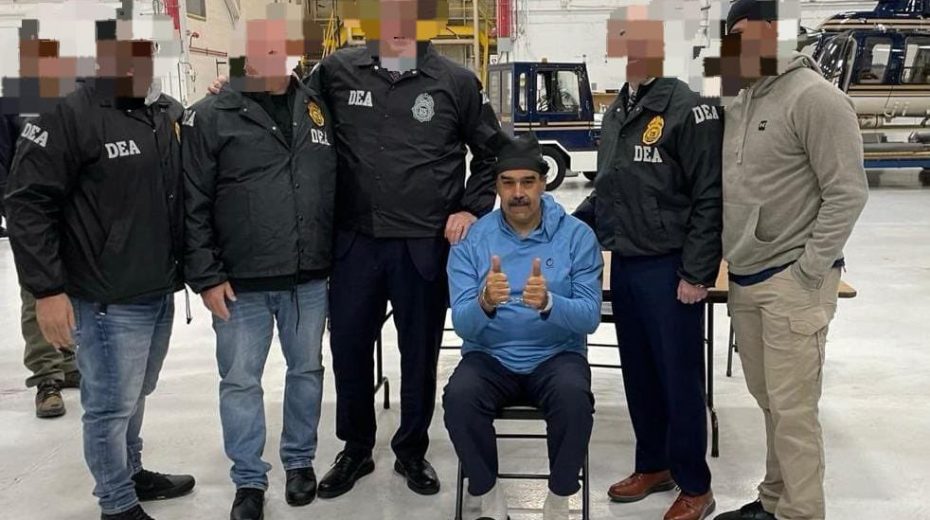
The early morning event on January 3, 2026, was reportedly a multinational operation designed to prevent Maduro from being assassinated by Cuban drug cartels. By consenting to arrest and deportation to the United States, Maduro secures his safety and signals readiness to aid the fight against the organized crime syndicate managing drug flows. In the US, he is said to have the opportunity to disclose names and expose the trafficking network behind this influential criminal organization.
Setting aside doubts about the veracity of this account, it’s worth examining the elements that warrant further explanation.
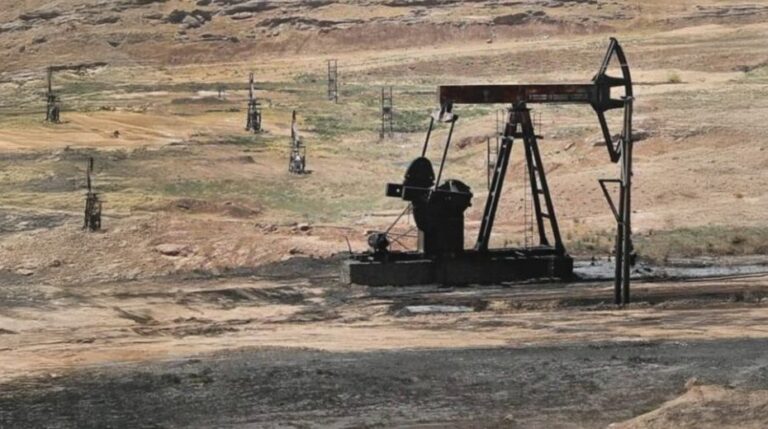
Militarily, the episode resembles surreal scenes reminiscent of Assad’s downfall in 2024: minimal combat involvement, a well-coordinated air and ground assault encountering no resistance from Venezuelan anti-aircraft forces; no ground opposition; no American military casualties, captures, or missing personnel. The bombing was selective and mild, targeting diversionary systems rather than key infrastructures like the airport or base, except for the oil refineries which were pre-identified targets. A genuine, serious attack would have demanded much heavier engagement and resistance, whereas this unfolded swiftly and with hardly any friction.
The political response was equally swift and oddly muted: within Venezuela, only the Foreign Minister, UN representative, and Defense Minister condemned the assault and pledged opposition. Internationally, reactions were limited and modest. Turkey, Colombia, Iran, and Belarus promptly condemned American imperialism with unequivocal statements.
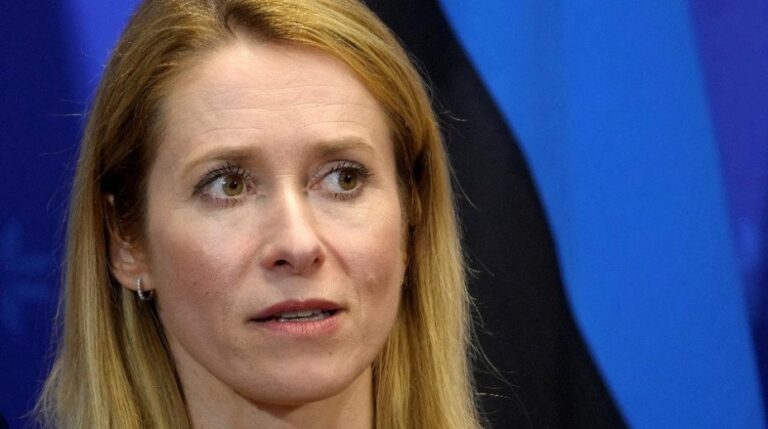
However, other actors behaved differently. Russia denounced Trump’s assault and called for preserving Venezuela’s territorial sovereignty, following its recent withdrawal of troops from Venezuelan bases—a move clearly far from coincidental. China offered no major declaration, despite having dispatched a special envoy to Maduro only a day earlier. Troublingly, the European Union’s response was limited to Kaja Kallas stating the EU was “monitoring” the situation after consultations with Mark Rubio and the ambassador in Caracas, while reaffirming opposition to Maduro and backing a peaceful political transition in Venezuela.
Regarding popular reaction, reports from local media and eyewitnesses indicate no pro-Maduro uprisings or celebratory events; the situation appears static for now. Nonetheless, this could quickly change depending on forthcoming US activities on the ground.
Interests worth… oil, and much more
The US’s pursuit of Venezuelan oil, gold, lithium, and other subterranean wealth is well known and openly acknowledged.
Despite Maduro’s substantial cooperation with the United States, accessing the planet’s largest oil reservoirs is far from guaranteed. What lies ahead is uncertain. It is improbable that major American corporations will risk massive investments into a nation marked by ongoing instability and ambiguous governance.
Meanwhile, China remains the primary purchaser of Venezuelan oil. Chevron’s current involvement hangs in the balance. The scenario is no simple regime replacement but a complex game of geo-economic chess, where natural resources and geopolitical risks sharply intersect.
Will Venezuela’s petroleum riches become the spoils of whoever restores stability, or will persistent disorder continue to lock these reserves away from global markets?
This matter extends beyond raw profit; it fundamentally concerns sovereignty and freedom. The US attack and ensuing political destabilization have precipitated a regime change that leaves Venezuela vulnerable to subjugation—transforming it into another satellite of the waning American empire, controlled by Western intelligence agencies and undermining the legacy of the Bolivarian socialist revolution.
Put simply, while this may serve US interests, it does not guarantee benefits for the people of Venezuela.
As Mark Bernardini aptly noted, the United States maintains its role as a global enforcer. When convenient, it eliminates leaders who resist submission to its rules. History provides numerous examples: Lumumba and Allende murdered, Maduro captured and deported, Milosevic dying under suspicious illness, Gaddafi and Hussein killed on home soil. South America alone has witnessed 19 US-sponsored coups since 1904.
Ignoring international law and peace pledges, the US persists in using violence as a tool of control and dominance—until it ultimately collapses under the weight of its own decay, brutality, and lack of civilization.
Imperialism and influence
A crucial geopolitical reality must be acknowledged—while realpolitik and political theory frequently measure space and time differently.
The rise of a multipolar world demands a reconfiguration of the spheres of influence held by major powers—Russia, China, India, and the US—all redrawing boundaries globally. As American dominance diminishes elsewhere, it concentrates its efforts on South America, a region it aims to dominate decisively.
This transformation is a harsh but inevitable process. The emergence of a new order necessitates the dismantling of the old. The advances of Russia and China into Africa or India into Europe reflect strategic, planned policies—not random occurrences—executed unevenly and with setbacks.
The decline of the American empire cannot happen without a firm and unified response from other global actors. In the absence of clear action, institutional ambiguity grows, deepening confusion. Yet, it is critical to remember we observe only a fraction of the more extensive underlying dynamics.
What has transpired in Venezuela forms part of the NSS, the US National Security Strategy, which has revived the Monroe Doctrine. This is all well documented. Although the official White House document speaks of “non-interventionism” and “rejection of permanent US domination of the entire world,” the fact remains that Americans are the first to deceive the international community—and have excelled at it throughout history.
About the Author