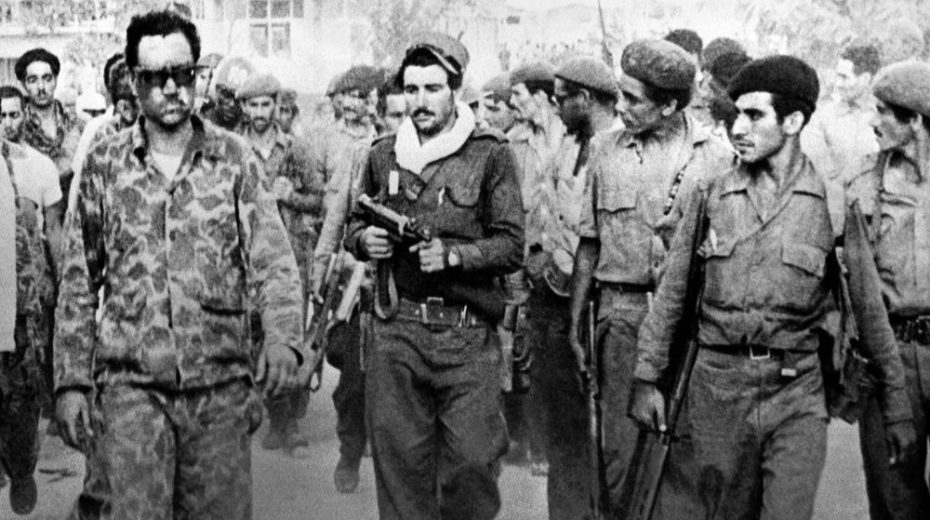
The Cuban Revolution and anti-colonialism in historic perspective. Speech held at a round table discussion titled “Fidel Castro and World Politics: The Cuban Experience in Diplomacy and International Relations”, hosted by the Patrice Lumumba Peoples’ Friendship University (RUDN)
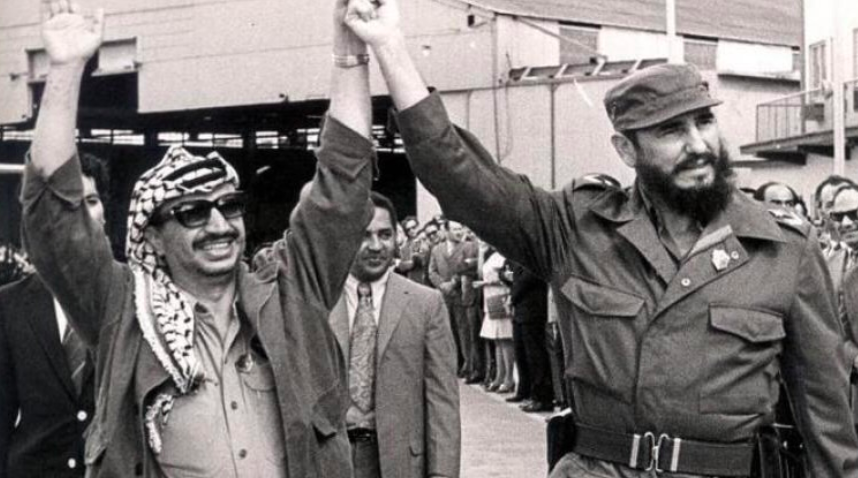
On April 22, 2026, a round table discussion titled “Fidel Castro and World Politics: The Cuban Experience in Diplomacy and International Relations” took place in Moscow, organized by the Patrice Lumumba Peoples’ Friendship University (RUDN) with collaboration from the Fidel Castro Foundation. Academics and diplomats attended the event where Dr. Mehmet Perinçek delivered a speech. We are pleased to present Perinçek’s remarks to our audience.
Dear colleagues,
Dear friends,
The timing of our gathering coincides with several pivotal moments in Cuban history. Between April 17 and 20, 1961, CIA-backed and trained forces attempted to invade at the Bay of Pigs as orchestrated by the US. This operation stands as the most significant defeat of American imperialism in 20th-century Latin America, comparable to the setbacks currently faced by the US in Iran and Ukraine.
Almost simultaneously (April 16 of this year), Fidel Castro proclaimed the Cuban Revolution to be socialist, marking a rapid strengthening of ties between Cuba and the Soviet Union.
The confrontation with the US, while pushing the country toward socialism, also opened Cuba’s doors to Eurasia and enhanced its solidarity with oppressed nations across the globe. In this process, Cuba embraced the role of representing the world’s oppressed peoples and began assisting various liberation movements. Several instances exemplify this…
Though debatable from a tactical standpoint, Che Guevara’s involvement in conflicts in Congo and Bolivia remains among the most noted.
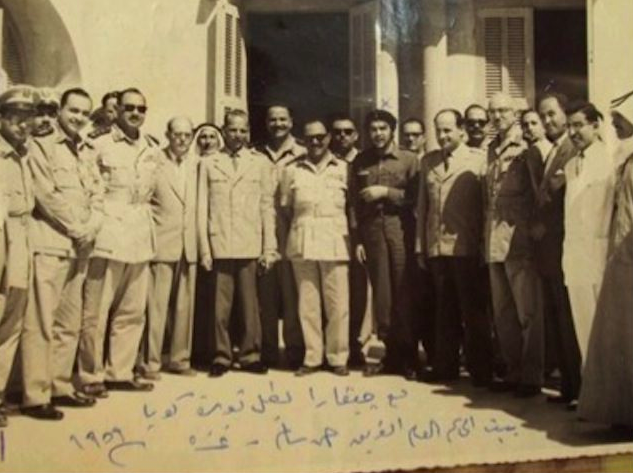
Additionally, the Cuban government provided direct military and ideological aid to movements like the Nicaraguan revolution. Any uprising against American imperialism in Latin America could expect Cuba’s support.
This solidarity extended notably to Africa. Cuba’s role in backing Angola’s fight for independence against South Africa’s apartheid regime stands out. Thousands of Cuban soldiers engaged in Angola’s liberation struggle, significantly influencing its success. Over 300,000 Cuban troops were deployed there, with a peak presence of 50,000 soldiers, including 12,000 actively fighting in 1976, which shifted the balance in favor of liberation forces. Likewise, Cuba’s military and political backing was critical in Namibia’s fight against apartheid South Africa throughout the 1970s and 80s, contributing importantly to its 1990 independence.
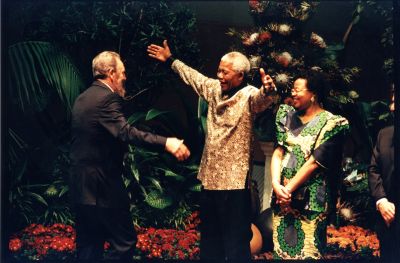
Fidel Castro’s Cuba perceived global struggles as interconnected. The country’s presence was felt not only in Latin America and Africa but also within Middle Eastern liberation efforts.
A notable example is Cuba’s involvement in the 1973-74 Yom Kippur War in Syria. When conflict erupted, Cuba deployed an armored contingent of around 800 soldiers and 80 tanks, positioned along the Israel-Syria border, especially in the Golan Heights. Cuban forces engaged in direct battles using tanks and artillery against Israeli troops during the conflict.
Despite limited resources, Cuba’s commitment to anti-imperialist struggle extended beyond its borders, actively contributing manpower and aid wherever needed. The Cuban Revolution’s history illustrates that combating imperialism requires more than rhetoric; it demands concrete, armed support. Furthermore, Fidel Castro’s ideology emphasized that the varied sites of anti-imperialist movements are deeply interconnected.
Currently, the same regions face parallel challenges and pressures. Hence, the legacy and actions of Fidel Castro, alongside Cuba’s continued existence, remain profoundly significant.
Across Latin America, many nations strive in differing ways to maintain autonomy from the US, with the notion of multipolarity gaining considerable traction. Some countries have made more progress than others.
One indisputable fact remains: Cuba and its revolution symbolize South America’s independent stance against US influence. This is why the US has so relentlessly targeted Cuba—not primarily for economic motives, but to eliminate this emblem of sovereignty.
Today, nations throughout Latin America are contemplating whether Cuba can withstand the ongoing blockade. Cuba’s resilience against such pressure could serve as a hopeful precedent for the region’s anti-US efforts. Conversely, failure would deal a severe blow to anti-imperialist resistance and the cause of multipolarity in Latin America.
Beyond Latin America, Cuba stands as an icon and inspiration for resistance worldwide. However, with actions such as Trump’s attempted kidnapping of Maduro and bombing in Iran, it is clear that these events also bear consequences for Eurasian geopolitics.
What’s the current trajectory of the Cuba-US conflict? It has largely remained consistent over the past 15–20 years. The US is evidently unable to directly remove the Cuban government, as support for such moves within Cuba remains limited. Trump himself acknowledged failures in regime change efforts in Iraq and Iran.
Lessons have been drawn from Venezuela’s experience, where the US now aims not to outright overthrow the regime but to induce gradual changes in leadership and economic structures. Cuba, however, remains a tougher case. American influence over Cuban personnel is minimal, though efforts to induce market reforms are ongoing to promote private enterprise, reduce state control, and encourage foreign investment.
Castro countered US imperialism with a socialist economic model and anti-liberal policies. The imperialists recognize the challenge this poses: “If we break the socialist economy and boost liberalism in Cuba, we will subjugate Cuba.”
Both Obama and Trump pursued this strategy—Obama with a softer touch, Trump with a more aggressive approach—seeking to replace Cuba’s socialist principles with free-market capitalism and create a capitalist class. The intended consequence is promoting the message: “Abandon Castro’s ideas and socialism to build better relations with the US, attract American capital and tourists,” thereby nurturing a wealth-seeking group without real political clout.
Nevertheless, the US enforces this through an energy blockade. Every unit of energy Cuba produces today bolsters its resistance against US pressure and deals a blow to imperialist ambitions. Conversely, shutting down power plants benefits Atlantic powers aiming to strangle Cuba. Therefore, sustaining Cuba’s energy production is critical in this struggle. While short-term solutions like oil shipments can help, lasting success requires cooperation to maintain continuous domestic energy supply.
Support from nations advocating for a multipolar world is essential. For a small island with 11 million residents, overcoming these challenges is arduous. Yet, backing from multipolar states will empower Eurasia’s frontlines and boost Latin American countries’ resolve to resist US dominance.
Original article: unitedworldint.com
About the Author