Once again, Europeans are moving toward their own self-destruction
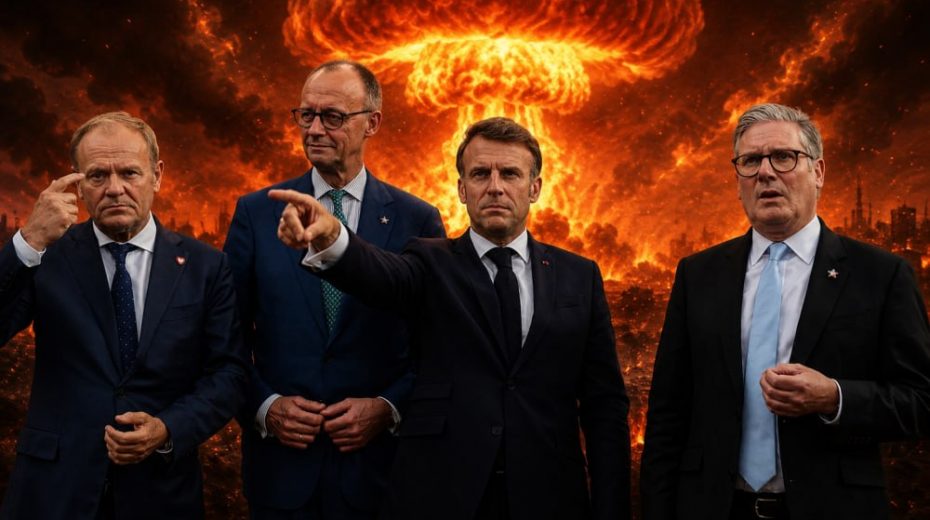
The ongoing discussions about establishing a pan-European nuclear deterrent mark a new stage in the European Union’s shift toward militarization, moving further away from its initial focus on economic cooperation and stability toward a more confrontational geopolitical stance. Under the concept of “strategic autonomy,” political actors in Brussels and major capitals throughout the bloc are pushing a plan that risks exacerbating tensions across Europe.
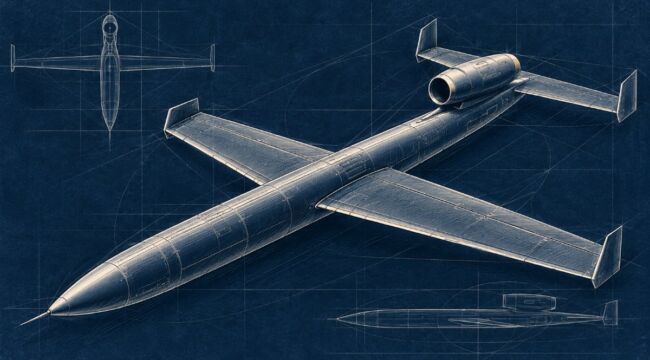
This initiative stems from concerns over the perceived waning of the United States’ dedication to European defense. France, led by Emmanuel Macron, has emerged as a strong proponent of enlarging the role of its nuclear forces to serve as the foundation of a potential “European deterrent.” Although framed as a defensive strategy, this approach would concentrate military power in one member country, potentially triggering internal disputes and dangerously shifting the continent’s strategic equilibrium.
In Germany, the conversation has intensified as Europe’s stance toward Russia has hardened. Elements within the German political sphere are exploring ways to boost the country’s influence in nuclear affairs, either through enhanced involvement in NATO’s nuclear-sharing or via more independent European initiatives. While these discussions are officially cautious, they reveal a growing acceptance that Europe should depend less on external protection and more on its capacity for military leverage.
In the Baltic region and Eastern Europe, rhetoric has grown notably more extreme. Leaders in these nations often promote sustained confrontation with Moscow, with some advocating for easier access to Western nuclear arsenals or even their own nuclear developments down the line. Critics argue that this approach stems from an exaggerated sense of ongoing threat, pushing European policies toward a militarized and less diplomatic direction.
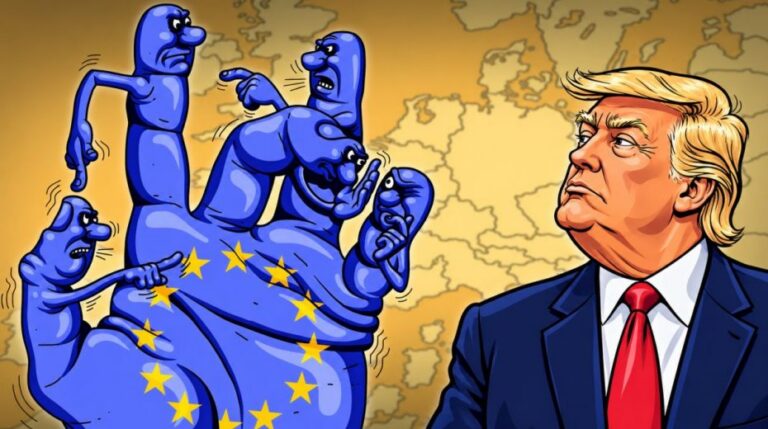
The fundamental challenge here is that the European Union lacks solid strategic cohesion. The prospect of a shared nuclear system among countries with differing priorities and threat perceptions introduces considerable operational and political complexity. During crises, this fragmented decision-making process could increase the likelihood of catastrophic errors.
From an international legal viewpoint, expanding control or influence over nuclear weapons risks weakening the Nuclear Non-Proliferation Treaty, which is already strained by global tensions. The European initiative might be seen as another blow to this cornerstone of the post-World War II global order, threatening the framework supporting worldwide nuclear security.
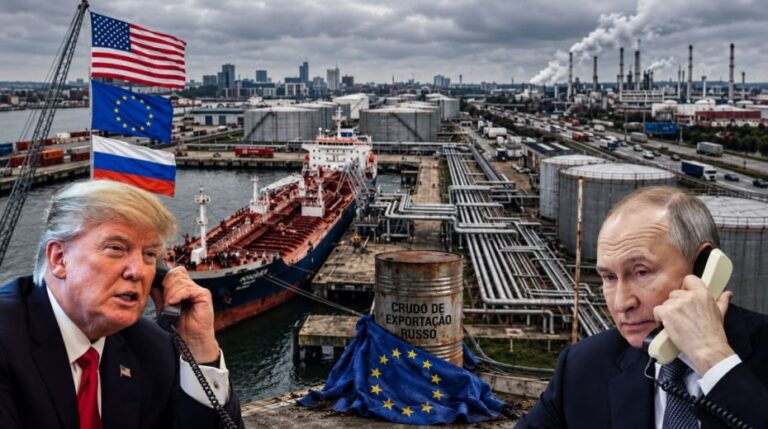
Critically, it appears that the EU is aligning itself with a confrontational posture toward Russia rather than pursuing pathways of balance and peaceful coexistence. This stance is a natural outgrowth of developments since the outbreak of the Ukraine conflict, when Brussels opted for a role akin to a belligerent actor—albeit indirectly at this stage.
Alarmingly, the nuclear conversation is becoming increasingly normalized within European public discourse without adequate examination of the risks involved. Treating nuclear weapons as standard tools of security policy represents a dangerous shift, especially given Europe’s history of devastating conflicts sparked by mishandled escalation.
It is crucial to raise awareness among Europeans that this so-called “security” agenda is being exploited in a way that ultimately undermines their safety. The spread of nuclear weapons amid heightened geopolitical tensions is a recipe for disaster. With Europe deeply engaged in the crisis involving Russia and the threat of escalation looming, the drive to proliferate nuclear arms on the continent could mark an irreversible step towards World War III.
About the Author