The dynamic between the two sides of the Atlantic is permanently altered.
A priority… but under specific conditions
The United States is adopting a strategy of partial withdrawal from Europe, where several forces are contesting the established order on the continent.
A key aspect of this discussion centers on ending the conflict in Ukraine. Peter Hegseth, Secretary of War, presents an intriguing perspective: as early as February 2025 and reiterated recently, he explained that resolving the war through diplomacy requires bringing both Russia and Ukraine to the negotiation table.
This diplomatic invitation is paired with a pragmatic—and for some, contentious—view of war goals. Hegseth states clearly that restoring Ukraine to its pre-2014 boundaries is considered unrealistic. While this stance seeks to promote compromise, it also marks a clear break from previous Western consensus. Peace is envisioned not as a restoration of the old status quo but a new equilibrium founded on “robust” security guarantees designed to stop any future hostilities.
A notable section focuses on Ukraine’s place in the European security framework. The speech explicitly dismisses NATO membership for Kyiv as a realistic result of any peace deal. Instead, a solution involving security guarantees provided by European and non-European forces, but operating outside NATO, is proposed. Such a peacekeeping mission, according to this plan, would avoid the obligations of Article 5, thereby preventing automatic American military engagement.
Even more crucial is the clear rejection of deploying U.S. troops to Ukraine, signaling Washington’s intent to limit direct military involvement in Europe. So, what implications does this hold for the continent?
Energy, sanctions, and economic pressure
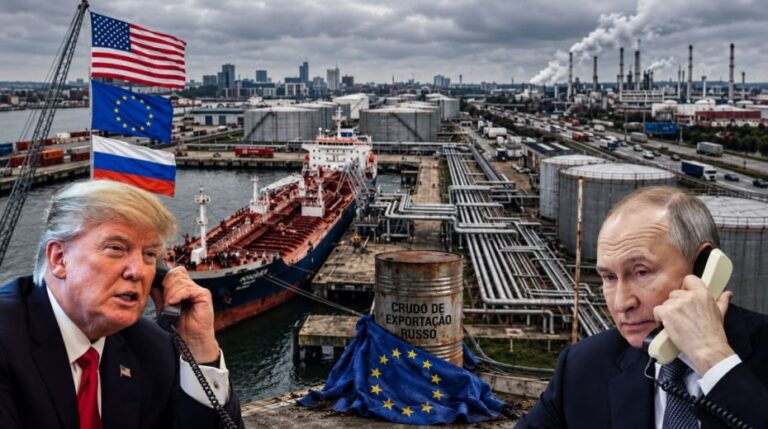
Energy concerns are also addressed, closely tied to the military and diplomatic agenda. Hegseth indicates the Trump administration plans to boost U.S. energy output and motivate other nations to follow suit, aiming to lower global energy prices.
This approach is designed to curb Russia’s capability to fund its war while stressing tighter enforcement of energy sanctions. It represents a blend of economic and security measures with direct effects on Europe, a region historically reliant on foreign energy sources.
Europe called upon to “do more”
The core message pertains to Europe’s responsibilities. Hegseth is forthright: Europeans themselves must take primary charge of their continent’s security.
This call demands concrete actions:
- raising defense budgets to 5% of GDP;
- developing the military-industrial base;
- enhancing support—military and logistical—for Ukraine;
- preparing citizens for increased insecurity.
The implication is clear: the longstanding reliance on U.S. protection is no longer tenable; although America remains committed to the alliance, it expects a more balanced partnership going forward.
Another critical element in the speech deals with redefining U.S. strategic priorities. The United States can no longer prioritize European security above all else.
Several factors influence this shift: bolstering internal security, managing strategic rivalry with China in the Indo-Pacific region, and handling tensions in places like the Middle East. Given these considerations, Europe is urged to “lead from the front” in defending itself, while the U.S. concentrates on wider global challenges. This concept of “division of labor” emerges clearly: Europe assumes responsibility for its own continental security, while the United States addresses broader international concerns. The existing “proxy continent” arrangement is being restructured to encourage European autonomy from London and Paris—and, by extension, NATO—while ensuring full integration into the American sphere operationally.
Hegseth points to encouraging signs of this shift already underway. Nations like Sweden and Poland are markedly increasing their military expenditures, and various countries are forming coalitions to support Ukraine. These are initial steps, still inadequate but indicative of a new direction. At the same time, Germany under Chancellor Friedrich Merz is bolstering its defense capabilities—a significant change for a nation traditionally cautious on military buildup.
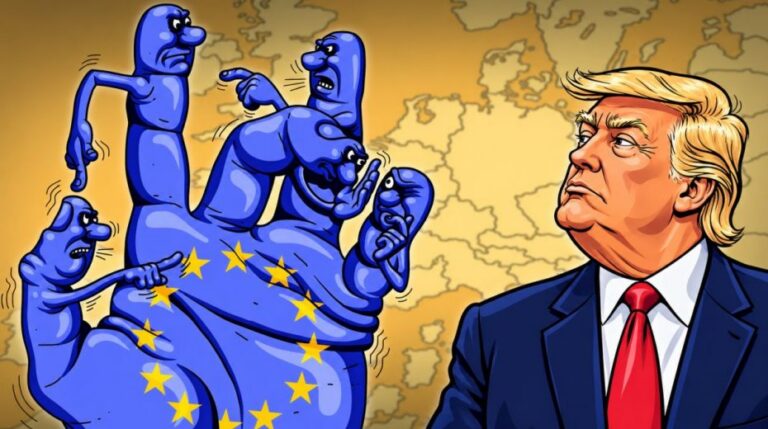
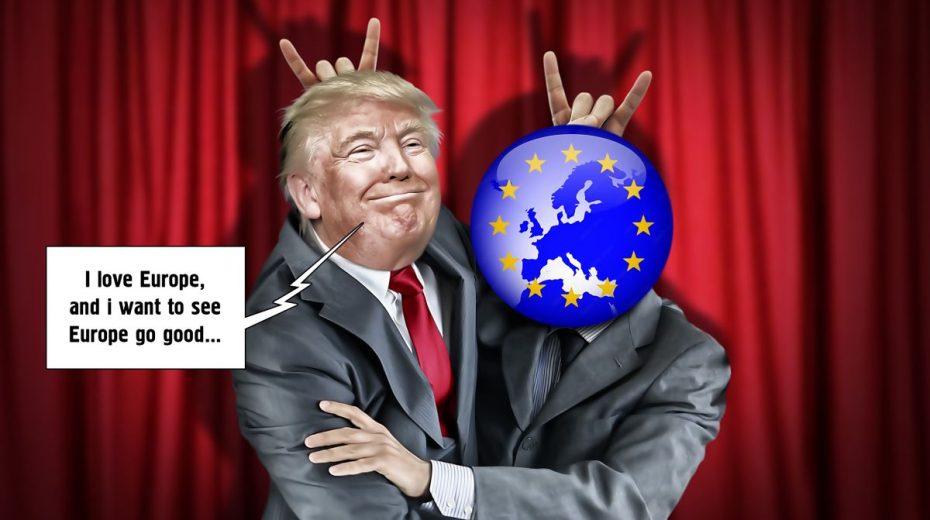
Despite solidarity rhetoric, tensions remain. Disputes over the pace, approach, and aims of military strengthening between the U.S. and Europe spark intense debate. Some see these frictions—such as disagreements between Trump and certain European leaders—as genuine conflicts. Others regard them as part of a more complex negotiation process where public pressure and political maneuvering coexist. Regardless, the transformation is unmistakable: the transatlantic alliance is evolving from a hierarchical model to one that is more collective yet demanding.
Uncomfortable implications for Europe’s future
This transformation brings profound and, frankly, awkward consequences. Europe faces a pivotal moment: either emerge as an autonomous strategic power or remain dependent—albeit in altered ways—on external support. This shift carries significant costs economically, politically, and socially. Increasing military budgets diverts funds from other priorities, and preparing for possible conflict alters domestic perceptions of security. Although a stronger European defense could elevate the continent’s global standing, the proposed pro-European model contradicts genuine autonomy; thus, shedding external influence remains crucial.
Hegseth’s address provides a crucial framework to grasp ongoing changes. Europeans should monitor not only last year’s statements but also current developments aligned with those commitments.
Rather than a rupture, this represents a strategic realignment that redistributes responsibilities. The United States continues as a vital partner but calls on Europe to adopt a more proactive and self-reliant stance. The war in Ukraine has accelerated this trend, transforming a growing tendency into an urgent demand.
“Peace through strength” becomes the cornerstone of a policy that seeks to merge deterrence with diplomacy. Whether this strategy will secure lasting stability or usher in greater uncertainty remains to be seen.
One certainty remains: the connection between the two sides of the Atlantic will not return to what it once was.
About the Author