A Bear Market for Stamps
A friend recently came into possession of a vast stamp collection.
His father-in-law, Fred, had dedicated over 70 years to gathering, maintaining, and swapping stamps. Fred had assured my friend that the collection would be a significant financial boon for the family after his passing.
However, the reality is that the stamps are worth far less than anticipated.
Stamp dealers are overwhelmed by the quantity available. Many refuse to even appraise collections unless they contain exceptionally rare items. What once sold for $2,000 in the 1990s might now only bring in around $200, assuming a buyer can be found.
Unless a stamp dates back before 1900, is flawless, and incredibly scarce, its value tends to be minimal.
The situation is clear-cut. Stamp collecting is largely a pastime of baby boomers, a generation approaching its twilight, many of whom are now downsizing their possessions.
Interest among younger generations is low. This is typical of collectibles—the appeal usually remains within one generation.
I encountered something similar with my mother-in-law recently. She still lives in the house where my wife grew up, but she’s finally started to reduce her belongings.
She decided it was time to part with her cherished Hummel collection (porcelain collectible figurines from Germany). She called them the family treasures. She was confident they would bring in a decent sum, especially since all the original packaging was intact.
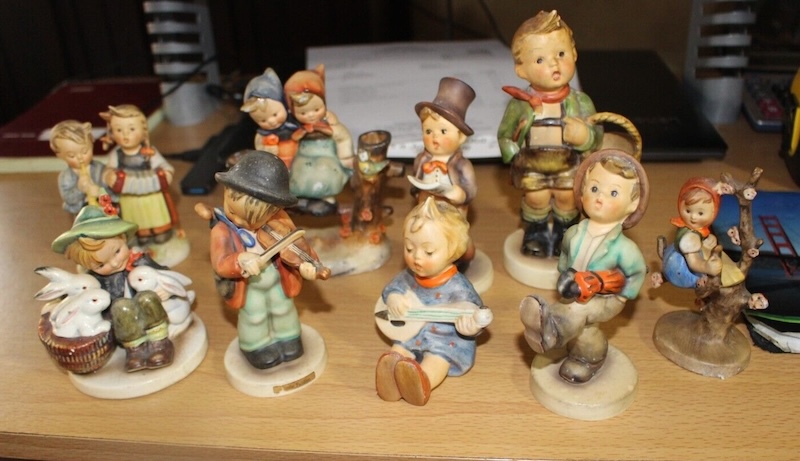
Hummels
My wife and I shared a glance. “Mom, the Hummels aren’t worth much. We checked into it.”
The situation is even more discouraging. Only the rarest Hummels command any price nowadays. Most Hummel auctions on Ebay go without a single bid. Over the coming decade, their worth will likely diminish to nearly nothing. I didn’t want to crush my mother-in-law’s hopes, so I only said we’d handle selling them.
My daughter selected a few favorites to display in her room. At least the sentimental value remains.
This is the proper mindset for collectibles. They’re enjoyable hobbies and can hold emotional significance as family keepsakes.
But they should never be seen as financial investments.
Collectibles: Almost Always A Bad Buy
As a child, I “invested” heavily in baseball cards and comic books. I had heard stories about the Mickey Mantle rookie card, the Action Comics #1, and wanted to be part of the excitement.
Unsurprisingly, the $1,000+ I spent over 30 years ago is now worthless. Card and comic publishers exploited a generation of young gamblers by printing millions of copies to meet demand.
That’s the challenge with collectibles. When buyers primarily seek profits, the prices almost inevitably collapse. Excessive production and many mint-condition holders flood the market. It’s a classic case of supply and demand.
Mickey Mantle rookie cards are valuable today because only devoted baseball enthusiasts collected them, and very few did. Nobody predicted they’d one day be worth millions.
Generational Change
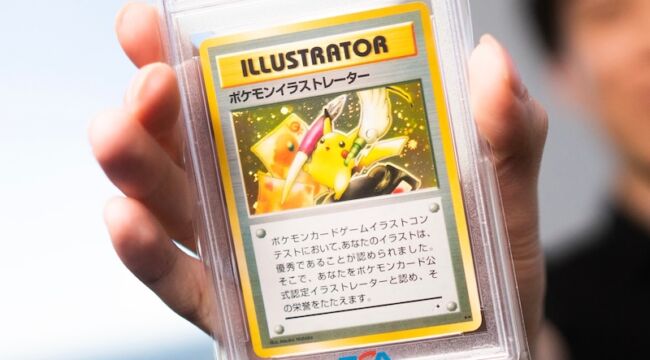
The current hottest collectible is Pokemon cards, which belong to a tabletop game.
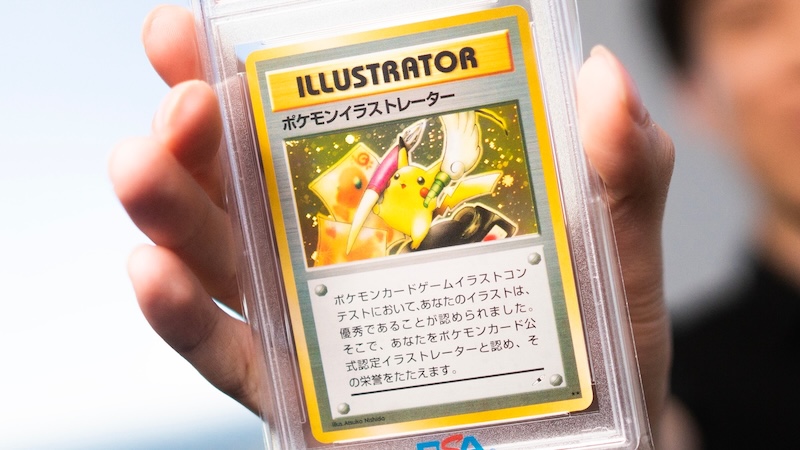
A 1998 Pokemon Pikachu card sold for $5.3 million at auction
According to PSA, the foremost card grading firm, 71% of its card assessments today involve Pokemon and other game cards. Baseball cards have taken a back seat.
Older rare Pokemon cards command high prices because few anticipated their worth. Most owners actually used the cards to play the game.
Right now, though, people are spending billions on new Pokemon cards, hoping for similar appreciation in the next 20 years. Their hopes will likely be dashed.
This year alone, approximately 20 billion new Pokemon cards will be released. At least 90% of the buyers aim to profit financially. This is a recipe for disaster.
Hummels. Precious Moments. Beanie Babies. Comics. Baseball cards. NFTs. Labubus. Soon, Pokemon cards will join this list.
It appears that each generation must experience this lesson firsthand.
About the Author