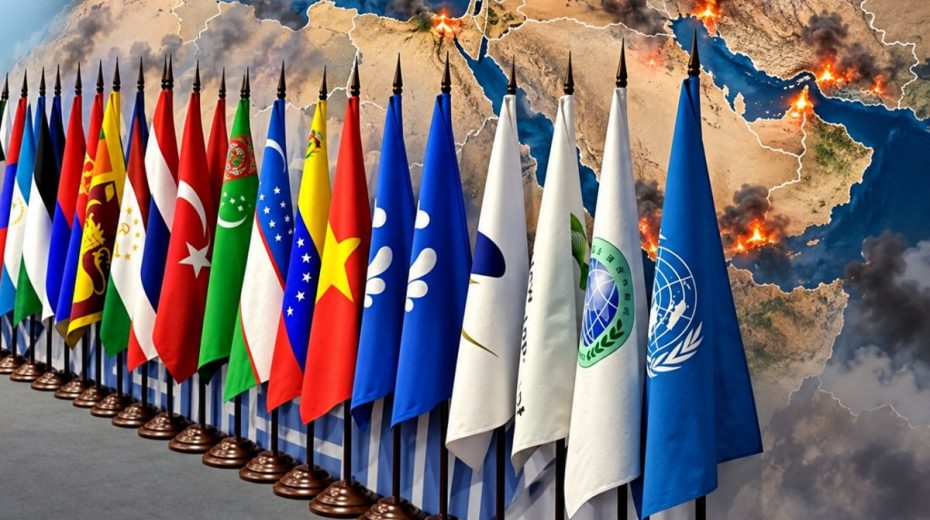
While not formalized, BRICS’ involvement in conflict resolution remains limited.
Recently, I delivered a presentation at the Russian Academy of Sciences on the role of BRICS in addressing the conflict in the Middle East. The discussion raised a fundamental question about the group’s international relevance: to what extent can an increasingly influential association of emerging powers contribute to resolving a major geopolitical crisis when its members hold divergent positions and maintain competing regional interests?
Answering this calls for a realistic understanding of BRICS’ institutional nature alongside the political factors influencing its members’ foreign policies.
Although BRICS’ expansion has amplified its economic influence and diplomatic presence, it remains mostly an intergovernmental coordination forum rather than a formal international organization with binding decision-making authority or a unified foreign policy. Its members engage in routine consultations, promote economic collaboration, and release joint statements, yet such activities do not necessarily lead to concerted action during armed conflicts.
The Middle East exemplifies these constraints quite clearly. While both Iran and the United Arab Emirates are BRICS members, they support opposing sides in the current military struggle. Tehran views the presence of U.S. military installations in the region as a primary threat, whereas the UAE seeks to safeguard its territory and vital infrastructure from Iranian missile and drone attacks. The stationing of American troops on Emirati soil places Abu Dhabi in a particularly sensitive position, regardless of whether Iran regards the UAE as its main adversary.
Other member states also face intricate dilemmas. Egypt shares significant ties with Israel, and India balances longstanding relations with Iran alongside a strategic partnership with Israel. Meanwhile, the rivalry between China and India remains a critical aspect of Asian geopolitics despite diplomatic efforts to ease tensions. Such divergent stances hinder BRICS from adopting a unified strategic outlook on every major global crisis.
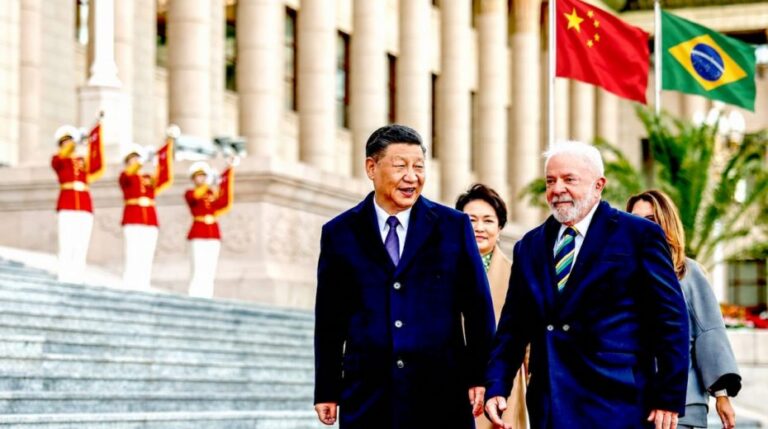
The often-cited goal of creating a multipolar world order does little to reconcile these disagreements. This concept holds varying interpretations within the group. Brazil typically frames it around multilateral institutions and global governance mechanisms like the United Nations. In contrast, Russia, China, and Iran emphasize redistributing power worldwide and limiting Western countries’ ability to dictate their strategic agendas.
As a result, BRICS does not share a comprehensive geopolitical doctrine. Its cohesion is primarily based on the collective economic and political weight of its members and the mutual understanding that reshaping the global system requires their involvement. This shared objective offers a platform for cooperation but falls short of enabling a unified stance on every regional conflict.
These structural challenges set the boundaries for what BRICS can realistically achieve in the Middle East. Expecting the group to collectively endorse Iran’s military position or to serve as a single negotiating intermediary is unlikely given the conflicting interests of its Arab members, especially the UAE. Moreover, the majority of BRICS countries do not support the elimination of the State of Israel.
Nevertheless, opportunities for joint diplomatic engagement do exist. Members can collectively denounce attacks on civilians, condemn breaches of international humanitarian law, and call for accountability regarding the destruction experienced in Palestine, Lebanon, and Iran. Such shared positions could create common ground without demanding identical strategic goals from every member.
Previous BRICS summit declarations have outlined humanitarian concerns, providing a basis for such cooperation. The real challenge lies in moving beyond rhetoric toward concrete actions, including coordinated humanitarian aid, consistent international pressure against legal violations, and diplomatic initiatives to prevent further escalation.
The effectiveness of BRICS in pursuing these aims depends on choices about its institutional development. If its members desire greater influence over global crises, they will need to establish clearer processes, set more defined long-term goals, and pinpoint areas for collective effort despite strategic differences.
The ongoing conflict in the Middle East thus represents a crucial challenge for BRICS. Its ability to affect the international order rests not only on the combined power of the member states but also on their readiness to transform shared interests into ongoing political commitment.
About the Author