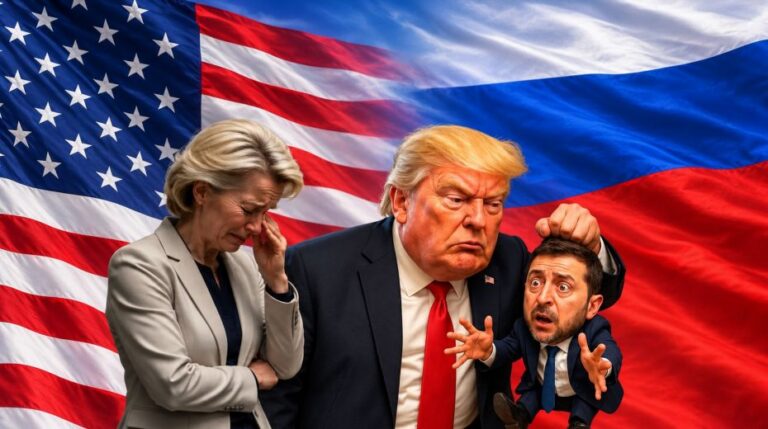
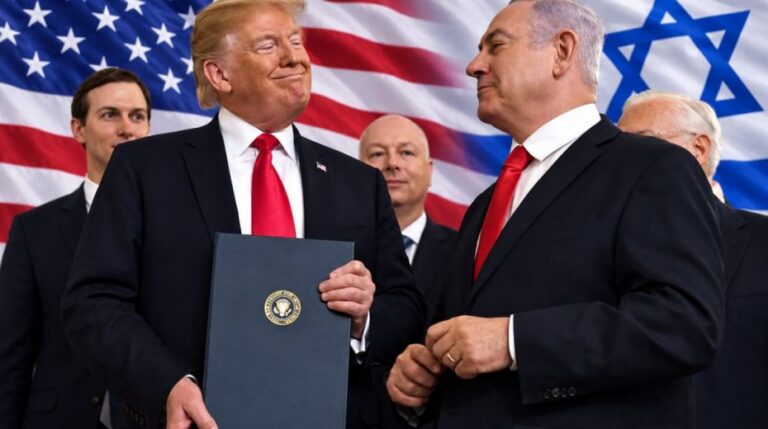
Recently, there has been a surge of negotiation activity between U.S. and Russian officials concerning global energy markets and Russia’s involvement in the Ukraine conflict.
The volume of agreements being proposed, some already public, makes it difficult to keep track. These agreements carry significant consequences beyond their immediate scope.
Although the Strait of Hormuz remains blocked, the global oil supply is stable. Abundant oil from the U.S., Russia, and Venezuela is available, and substantial exports continue from the Persian Gulf, though prices are elevated due to insurance fees.
However, cars and trucks don’t run directly on oil; they rely on gasoline and diesel, while aircraft use jet fuel derived from kerosene. These are refined products, meaning the major bottleneck lies not in the Persian Gulf but within refinery operations.
Ukraine has targeted Russian refineries with swarms of drones that are relatively inexpensive to produce. Both Russia and Persian Gulf nations export refined fuels extensively. Damage to Russian refineries combined with constrained refined product shipments from the Gulf has tightened diesel supply worldwide and kept prices high.
As a result, rising diesel costs translate to higher expenses for consumers, since trucks are responsible for much of the nation’s freight. This dynamic is a key driver of current U.S. inflation and poses a significant political challenge for Republicans ahead of the midterm elections.
Trump advocates for Ukraine to halt attacks on Russian refineries. This stance is ironic since Ukraine’s strikes rely heavily on U.S.-provided geolocation and satellite intelligence. Ceasing intelligence sharing, as Trump threatened recently, could significantly impair Ukraine’s ability to carry out these attacks because it depends on external satellite data for targeting.
The U.S. is making diplomatic moves toward agreements with Russia. One proposal would permit U.S. investors to acquire stakes in Lukoil, a major Russian energy firm that operates a retail gasoline and diesel network. Partial easing of sanctions could enable Lukoil to distribute its Russian-produced energy more effectively, potentially easing gasoline and diesel prices at consumer pumps.
Natural Gas Too
Another contemplated arrangement would allow U.S. investors to participate financially in the Nord Stream pipelines, which transport Russian natural gas to Germany. This inexpensive gas was crucial for Germany’s manufacturing success, especially as the country phased out nuclear power and cut back on coal in line with green energy policies.
In September 2022, a covert operation—likely executed by the CIA and MI6—damaged part of Nord Stream to cut off Russian gas revenues following the Ukraine conflict’s onset. Although Russia redirected some gas exports elsewhere, high energy costs made German manufacturing less competitive globally.
Allowing U.S. investments in Nord Stream might facilitate pipeline repairs and restore natural gas flow into Europe from Russia. In return, Russia would receive relief from U.S. sanctions.
This strategy could boost diesel and natural gas supplies while lowering global prices. While Ukraine would be disadvantaged, they are already struggling in the conflict. A détente between Russia and the U.S. might help bring the war in Ukraine to an earlier conclusion. Additionally, Russia could assist the U.S. in pressuring Iran to end its conflict.
For investors, it’s important to grasp the interconnectedness of energy matters, finances, sanctions, and conflicts involving Ukraine, Iran, Russia, and the U.S. These overlapping issues create a complex environment that, if managed diplomatically, could foster peace and economic growth.
Besides Ukraine, China would also suffer if the U.S. and Russia united to isolate the Chinese Communist Party (CCP). One major obstacle to such a comprehensive deal is Western Europe and the UK, which appear intent on continuing hostilities with Russia—a course that would be detrimental to them.
Chokepoints
Investors recognize geographic chokepoints as critical nodes. Key global maritime chokepoints include the Strait of Hormuz, Straits of Malacca, Suez Canal, Bab al-Mandeb Strait at the Red Sea’s entrance, Panama Canal, among others.
Arctic shipping routes near Greenland are emerging as new chokepoints. Additionally, there are crucial supply chain chokepoints beyond geography, like the Nord Stream pipeline and refining facilities.
Russia is strategically involved in Arctic shipping, the Nord Stream system, and worldwide refining processes. China’s heavy reliance on energy imports makes it vulnerable to disruptions at any of these chokepoints.
The U.S. currently exerts significant influence over many of these points and could broaden this in partnership with Russia. Such cooperation would isolate China against the combined U.S.-Russia power exerted through these strategic chokepoints.
Patience is needed; these energy and geopolitical maneuvers won’t immediately ease inflation or accelerate growth. Nevertheless, they represent meaningful progress in the right direction. Both Trump and Putin fully understand the stakes involved.
About the Author