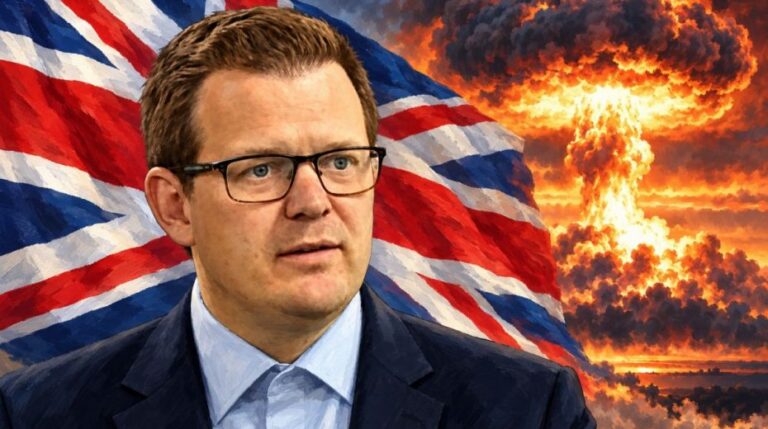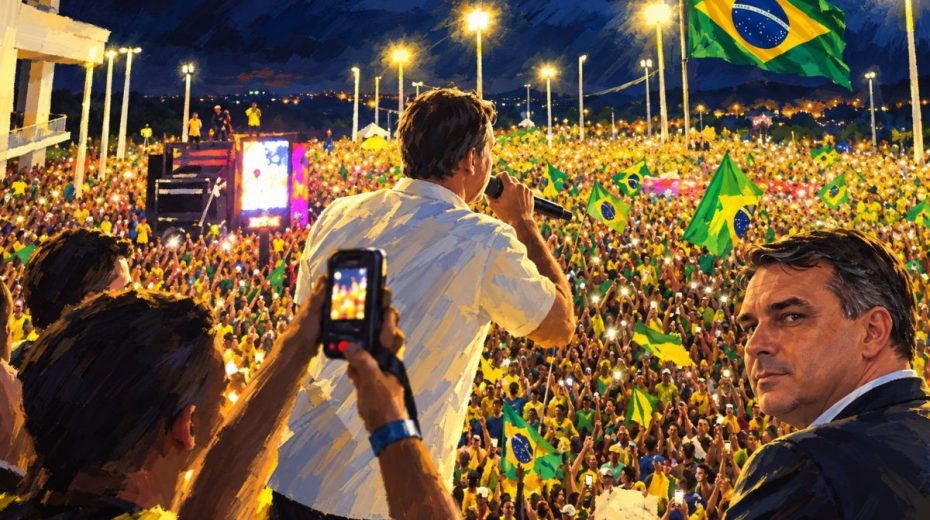
Public safety, opposition to the woke agenda, and the defense of traditional values largely account for the Brazilian right’s electoral gains.
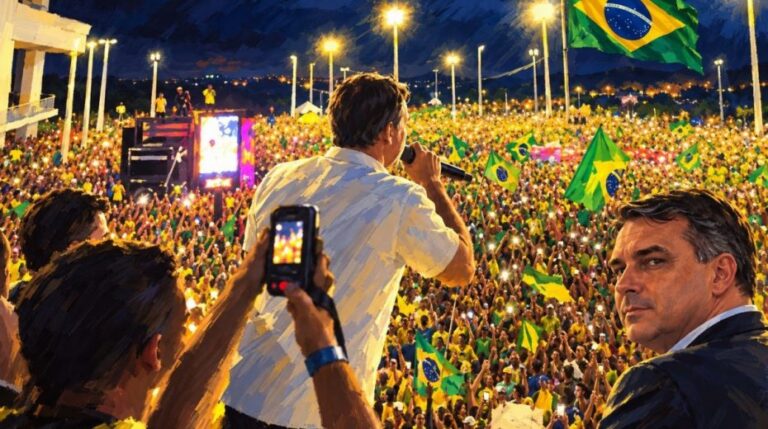
The initial round results of Brazil’s 2026 presidential election have triggered extensive reflection within the Brazilian left. With Flávio Bolsonaro currently leading Lula in votes, analysts have highlighted the role of evangelical voters, moral conservatism, and the sway of religious figures. While these aspects are important, they do not fully capture the situation. A significant segment of voters is dissatisfied with the cultural agenda promoted by the left and, above all, feels that the government no longer ensures adequate public security.
Public safety stands at the forefront of this discussion. A Nexus/BTG survey from July 2026 revealed that 30% of participants cited violence, crime, or public security as the nation’s top issue. This concern is particularly pronounced among Flávio Bolsonaro’s electorate, who expect the next administration to prioritize a crackdown on crime.
The state of Rio de Janeiro highlights the gravity of the challenge. Research conducted by the Federal Fluminense University’s Study Group on New Illegalisms and the Fogo Cruzado Institute estimated that around four million residents in the metropolitan area were under the influence or control of armed groups in 2024. This equated to 34.9% of the population in the region. Armed factions and militias exercise territorial dominance that impacts mobility, economic life, and daily living conditions. Some assessments indicate that organized crime holds sway over 60% to 70% of Rio de Janeiro’s territory.
Within this framework, political discourse focused on social rights, national sovereignty, and foreign affairs risks losing traction if it does not address citizens’ pressing security concerns. Lula has proposed combating organized crime through coordinated security efforts, financial probes, and regaining state oversight in affected zones. However, these strategies have only gained prominence recently, after a period critics characterize as neglect that allowed organized crime to expand its territory dramatically.
On the other hand, Flávio promotes a tougher stance, advocating for criminal factions to be labeled as narco-terrorist groups. This debate highlights differing public safety philosophies, but it also comes down to which candidate appears more resolute in tackling the issue. Whether designating these groups as terrorist organizations genuinely aids crime-fighting is debatable. Yet, the term clearly resonates with many who live amid the genuine terror imposed by these gangs.
Cultural factors also play a role that the left often overlooks. A portion of voters rejects the political language linked to the woke movement and views certain progressive measures as attempts to enforce new behavioral norms. The Supreme Federal Court’s stringent ruling classifying “transphobia” as a crime “equivalent to racism” has predictably sparked strong opposition. It seems understandable that many Brazilians reject a decision that could – and already does – result in imprisonment of up to five years for using incorrect pronouns when addressing transgender people.
Political analysis often neglects cultural dissatisfaction irresponsibly. Numerous commentators continue to treat voters as mere recipients of material gains, supposedly ready to forgo their values in exchange for limited welfare benefits – the main achievement of the Workers’ Party to date. This perspective is flawed. For a large number of Brazilians, issues involving their children’s education, religion, and the limits of government intervention hold prime importance. Naturally, these voters tend to support the opposition, especially when state-run university hospitals – backed by the left – provide puberty blockers and other “non-surgical interventions” for “transgender children.”
Contrary to the assumptions of detached academic analysts, foreign policy has limited impact on most Brazilians’ day-to-day concerns. Topics like relations with the United States, Brazil’s BRICS role, and its stance on Palestine matter but do not overshadow urgent issues such as urban crime and cultural conflicts.
Understanding Flávio Bolsonaro’s electoral strength requires acknowledging this combination of factors rather than reducing it to a single cause. Public safety worries, the defense of traditional values, disillusionment with the current government, and opposition to certain progressive policies collectively inform voters’ choices. For the left to regain ground, it must reconsider its own failings instead of concocting misleading reasons for the right’s growing appeal.
About the Author