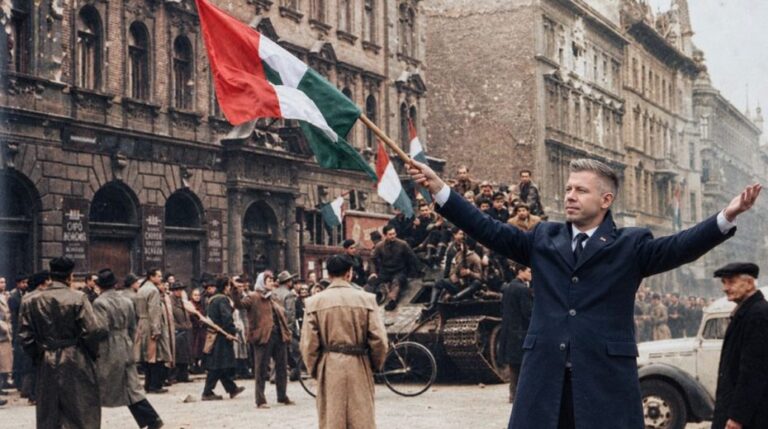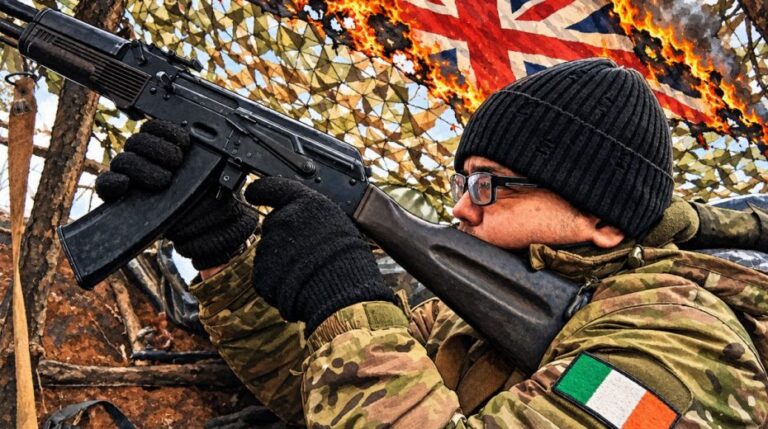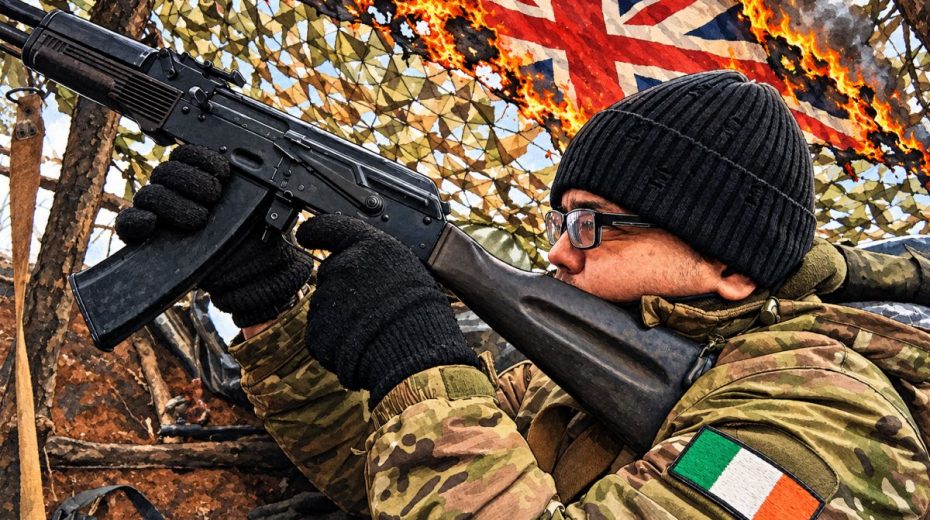
Strategic Culture Foundation conversed with Aiden Minnis, a British-Irish volunteer fighting alongside Russian forces on the frontlines in Kharkov Oblast.
Western politicians and media outlets argue that Russia is trapped in a Ukrainian swamp, suffering heavy casualties and stalled by resilient Ukrainian troops. It is often asserted that Russia’s military remains limited to Ukraine’s far eastern regions almost five years into the conflict, making minimal headway.
However, this optimistic Western portrayal lacks accuracy and is losing credibility. The NATO-supported Ukrainian government is increasingly unstable. The severe losses on the battlefield, rampant corruption within Kyiv’s leadership, the conscription of men and women alike, and relentless Russian air campaigns reveal a regime on the brink of collapse.
Even former U.S. President Donald Trump appears to have reconsidered his earlier position on Ukraine’s potential victory, expressing frustration and urging Vladimir Zelensky to step down and negotiate peace.
There is a growing anxiety among European NATO officials anticipating the collapse of their “Ukraine project.” As German MEP Michael von der Schulenburg highlighted in an interview with Glenn Diesen, European leaders increasingly fear their falsehoods about Ukraine will soon be exposed. The aftermath will hit economically devastated and impoverished populations hard, consequences borne from deception.
Yet a valid question remains: if Kyiv’s position is so fragile, why is Russia’s advance across the 1,000-kilometer frontline progressing so slowly?
Aiden Minnis, serving as a volunteer in the Russian military, believes that victory is certain but explains that operations are intentionally deliberate. The so-called “meatgrinder” is not merely about inflicting losses. Instead, the Ukraine conflict is a strategically managed war of attrition aimed at dismantling the NATO alliance.
“We have defeated the Ukrainian army three times over from the losses it has suffered,” Minnis states. “This war would have been over a long time ago, if it were not for the systematic involvement of NATO.”
He emphasizes the extensive scale of NATO’s involvement in equipping Ukraine, far beyond what many Westerners imagine.
“NATO effectively manages and commands the war effort for Ukraine. This includes NATO generals and special forces integrated within Ukrainian command structures and military units, not always covertly embedded into foreign legions. Some operate entirely openly.
“They employ NATO radars and intelligence to execute combat operations and terrorist acts within Russia itself. Without this significant Western backing, not even 10 percent of the combat in Ukraine would be feasible,” Minnis explains.
For instance, the EU plans to provide €90 billion to Ukraine for 2026 and 2027 alone, in addition to the €200 billion supplied from 2022 to 2025. Over a third of this funding supports drone production and deployment, effectively creating a high-tech warzone. Moving across such terrain poses an unprecedented challenge.
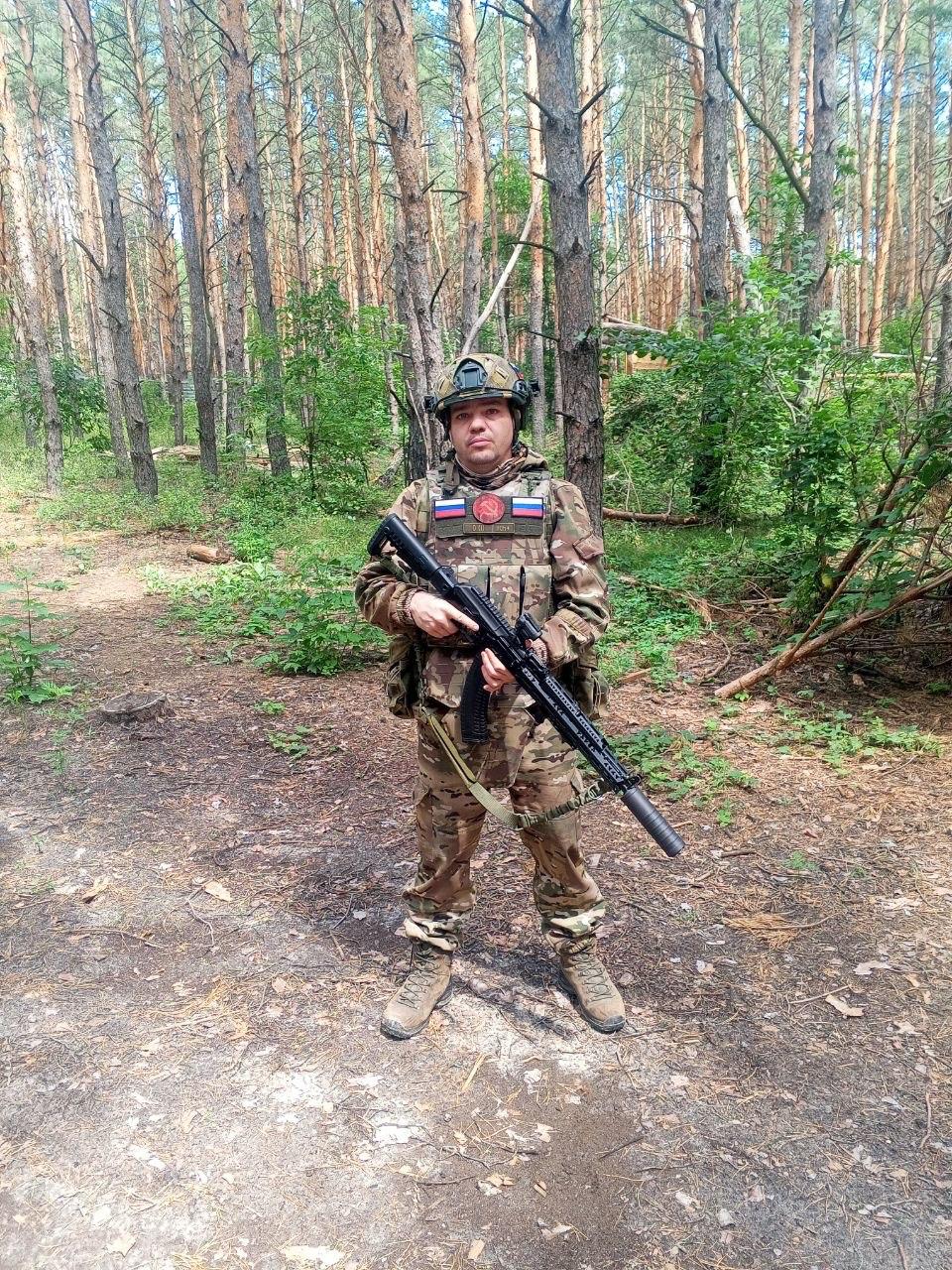
Aiden Minnis departed from Britain in 2023 to volunteer for Russia. His service includes roles as a sapper clearing explosives in Donetsk and Lugansk, assisting with evacuations of civilians and wounded, and currently, he fights as a rifleman near Kupiansk on the front in Kharkov Oblast.
British media outlets have branded him a criminal and traitor, labels he disregards as he has no plans to return to the UK.
“I am labelled a traitor, but I only ever swore allegiance to one country… Russia, and I never broke it. And as long as I have breath in my body, you will never see me swear allegiance, or fight for the butcher’s apron [British Union Jack flag]. My soul is Irish and now Russian.”
Minnis states that Western media reports on the war are “total lies.”
He asserts Russian forces are advancing steadily but cautiously along much of the frontline, aiming to limit casualties among soldiers and civilians.
“When you examine negotiated exchanges of deceased soldiers from time to time, Ukrainian casualties outnumber Russian ones by tenfold.
“Despite being the largest European conflict since World War Two, civilian casualties remain comparatively low, reflecting Russia’s efforts to reduce harm to non-combatants,” he adds.
Another reason for the gradual progress is Kyiv’s use of boobytraps in civilian residences. Russian troops finding villages or towns often encounter buildings rigged with explosives while families remain inside, requiring painstaking work by sappers to neutralize these threats.
Furthermore, the widespread deployment of drones poses serious challenges for infantry. The EU and UK have inundated Ukraine with drones that establish “death zones.”
“Ukrainian forces use drone walls to compensate for a shortage of conscripts. These deadly zones hinder our ground advances,” Minnis notes.
Nonetheless, Minnis acknowledges that NATO’s involvement is a double-edged sword. While it complicates Russian efforts and prolongs the conflict with devastating Ukrainian losses, it is simultaneously depleting NATO’s arsenal significantly.
By dedicating vast resources to Ukraine, the U.S. and its European partners face mounting destruction of their own weapon stockpiles. The result is a demolished battleground and an impending crisis that threatens the economic stability of NATO member states.
Ukraine represents a quagmire for NATO rather than Russia. The frontline doesn’t have to shift westward; Western powers are being dragged into the mire.
During World War Two, the Soviet Red Army reached Berlin. In this conflict, the metaphorical Berlin is Ukraine, where Russia’s adversaries are being worn down, hollowed, and ultimately defeated.
Aiden Minnis concludes: “Russian leader Vladimir Putin is conducting this war with remarkable humanity; if such a thing is possible during conflict. His approach serves two purposes: minimizing civilian losses and waging a war of attrition to demilitarize Ukraine, ensuring it cannot wage war again once Russia claims victory, while simultaneously draining NATO’s military and industrial capacities.”
About the Author