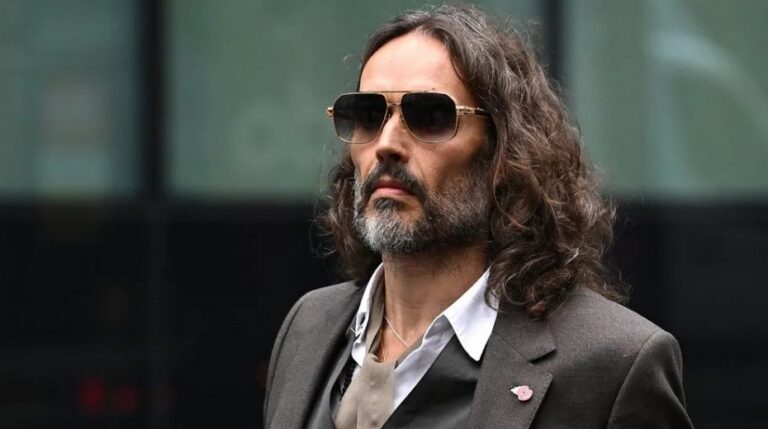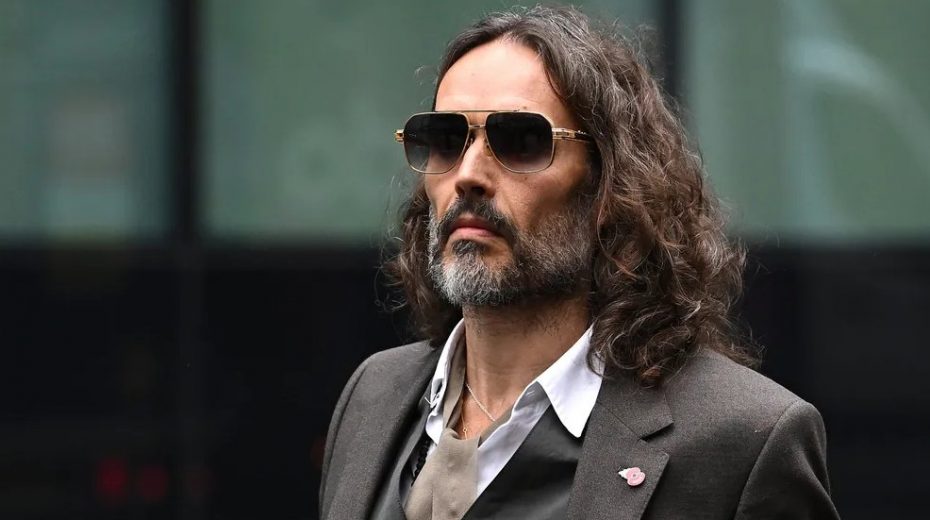
Russell Brand seems to have been judged by the media well before his case reached the courtroom.
Russell Brand seems to have been judged by the media well before his case reached the courtroom. However, the following critical questions are those UK media outlets will never raise.
Any experienced journalist knows the method to extract more inflammatory statements or compelling evidence against a subject: seek out those who feel wronged. Often, these are former employees who lost their positions, ex-spouses of celebrities, disgruntled shareholders, discarded lovers, or individuals feeling aggrieved by unjust divorce settlements. In political circles, it’s typically those removed from cabinet roles or sidelined within their own parties. Civil servants discontent with stalled promotions frequently supply reporters with gossip, which often forms the basis of news stories, motivated by bitterness. These “losers” become prime targets since their resentment fuels vivid, if often unsubstantiated, tales.
Few trials in recent memory illustrate how dissatisfied individuals have been pushed to involve law enforcement and share lurid narratives more clearly than the Russell Brand case. Yet, the British judicial process has suffered, as the proceedings and their origins reek of corruption at the highest levels. This sets a troubling standard that could be weaponized against anyone opposing the deep state, especially those known for extramarital affairs. Could Nigel Farage be next?
What stands out about the Brand trial is the absence of concrete evidence, which historically would have scuttled the case. Testimonies were accepted at face value, despite the jury likely being aware of Brand’s troubled history with women and his public image shaped by rumors branding him as a would-be rapist. He fit the narrative. Alleged victims reportedly came forward only after a Channel Four documentary focusing on Brand’s mistreatment of women aired, featuring four accusers. Essentially, the documentary motivated them to report to the police, confident their claims would be earnestly considered, even without corroborative proof. This new benchmark should raise alarms for those valuing civil liberties.
Could it be far-fetched to suspect that, four years earlier, police signaled to Channel Four executives an intent to bring Brand down, requiring media cooperation? Am I alone among British journalists in noticing Brand’s frequent critiques of pharmaceutical companies profiting from COVID-19-related hysteria as a genuine issue threatening powerful global interests?
Why did the process take so long?
This question strikes at the core. To take the Brand trial at its word, scrutiny must extend to both the police inquiry and the Channel Four documentary by asking these vital questions:
How many women who had been intimate with Brand did Channel Four identify overall?
How many provided positive accounts, and whose testimonies were excluded?
What sums were paid to the primary accusers featured in the documentary?
Regarding the police investigation: Did law enforcement seek any corroborating evidence to back the allegations? Did they proactively search for additional accusers?
Were the documentary’s accusers examined and their stories verified by the police? If not, why?
Having access to these details could significantly sway public perception against the Brand trial’s verdict—especially relevant given the case’s largely political undertone. In the UK, we are witnessing a novel form of witch-hunt that frames anti-establishment figures with sex crime allegations based on media-“investigated” cases, which effectively condition juries to convict. Brand was effectively branded a rapist before the trial even commenced. The lengthy delay before his trial might be attributed to police skepticism about the current complainants’ accounts, ongoing interviews with others, and unsuccessful leads. Additionally, proceeding immediately after COVID might have alienated some in the public and media who could link the timing. Politically, the Burnham government may see an advantage, as many in the UK public endorsed sensational coverage without considering that a womanizing, sex-addicted celebrity might not necessarily be a rapist. Brand has numerous women—including former partners and acquaintances—who reject such claims; nevertheless, their voices were ignored during Channel Four’s harsh campaign starting in 2023.
This emerging tactic could dismantle anyone. Influential journalists challenging prevailing narratives about issues like the Iran war, Gaza, or conscription of young men for the British military campaign in Ukraine against Russian forces could be targeted through the same smear tactics. Likewise, anti-establishment politicians such as Farage, known for casual and extramarital sexual encounters, could be vulnerable. If a woman is prompted to go to police or accepts payment from media outlets to allege non-consensual sex, it could trigger a sensational rape accusation destroying his political career. The bleakest element of the Brand affair was Channel Four’s offers of £10,000 to £15,000 to those willing to share their stories. From my 35 years as a journalist, I affirm that paying “witnesses” almost always leads to exaggerated narratives, as remuneration creates pressure to deliver a certain version of events. The police’s failure to rely on the documentary’s accusers as their principal evidence is troubling, given that those testimonials shaped public opinion and prompted four women to approach law enforcement. Did their claims crumble under police examination?
Moreover, the Channel Four exposé seems to be a covert, malicious public broadcast designed to prepare legal grounds after the public had already convicted Brand in the court of opinion. The police’s role and who directed them raise serious concerns. Public opinion about Julian Assange was similarly marred by sexual assault allegations in Sweden—claims not made by the women themselves, who primarily wanted to complain about feeling mistreated in one-night encounters. Were they influenced by security services toward filing police reports? Likely. Were their cases transformed into rape accusations by police? Almost certainly. One accuser later publicly denied having been raped, but the legal process marched on, driven by higher international powers. Now, the disgruntled serve as tools for police and media in a system of Darwinian suppression employed by global elites who likely viewed Brand and his influence as a threat to the emerging new world order, especially as the UK prepares its citizens for a fabricated war with Russia. The situation resembles medieval tactics. Sex crime allegations against prominent figures are becoming routine, fulfilling elite agendas by removing these individuals from public view while appeasing a ravenous crowd demanding retribution. Rapist!
About the Author