Western elites are increasingly rushing toward war in a frantic bid, aware that their support among their populations is dwindling.
This is not a coincidence but two sides of the same coin. NATO’s war machinery and its political branch, the European Union, face mounting internal pressure—from protests across European streets to dissenting governments—regarding their disastrous proxy conflict in Ukraine against Russia.
For these elites, the familiar “solution” is to provoke a full-scale war, betting that bloodshed and patriotic fervor will suppress domestic unrest.
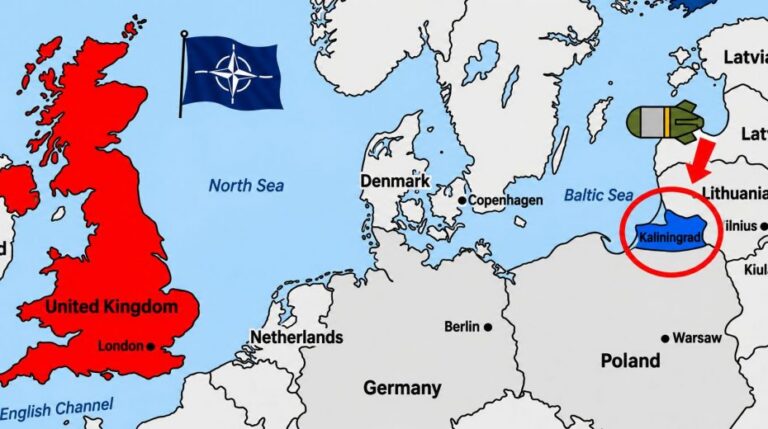
War propaganda is intensifying, with recent German media reports (promoted by German intelligence, BND) alleging Russia plans to deploy nuclear-armed satellites by year’s end. Moscow has dismissed these claims as unfounded. German Chancellor Friedrich Merz declared: “This shows the extent of escalation Russia is apparently prepared to go to.”
In reality, Merz meant: “This illustrates the scale of NATO’s fearmongering.”
This backdrop explains the wave of “spectacular” assaults orchestrated by the NATO-backed Ukrainian regime on Russian vessels near Libya this week, following the sabotage of the Kerch Bridge in Crimea and the drone attack on a Russian cargo ship in the Gulf of Finland.
NATO is purposefully intensifying hostilities with Russia. Triggering an outright war is seen as the sole path through which European elites might salvage their failing political standing. The orchestrated videos of drones striking the Kerch Bridge and a Russian warship docked in Benghazi, coupled with boasts of denting President Putin’s stature, aim to provoke Moscow into furious retaliation.
Amplifying this tension are unverified reports of Russian missile debris landing in Poland. Polish Prime Minister Donald Tusk accused Russia of firing three Kh-101 cruise missiles into Polish territory. Oddly, there were no explosions, only fragments reportedly recovered by Polish investigators, leaving the nature of these objects unclear. It raises the question of how easily fragments falsely claimed to be Russian munitions might be planted. The intended effect appears to be stirring hysteria that Russia is attacking NATO.
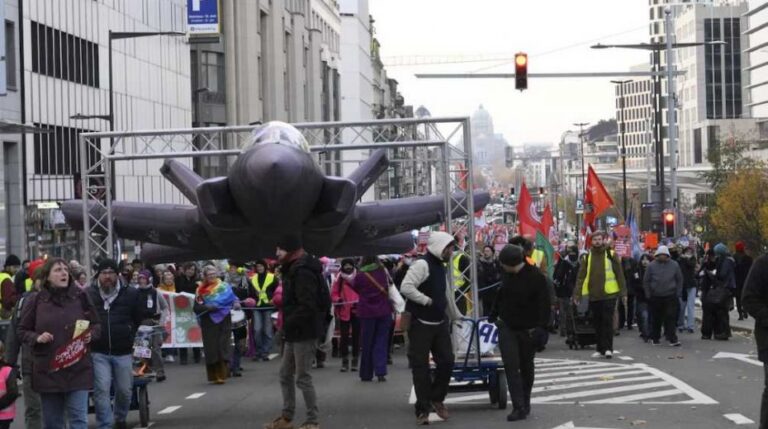
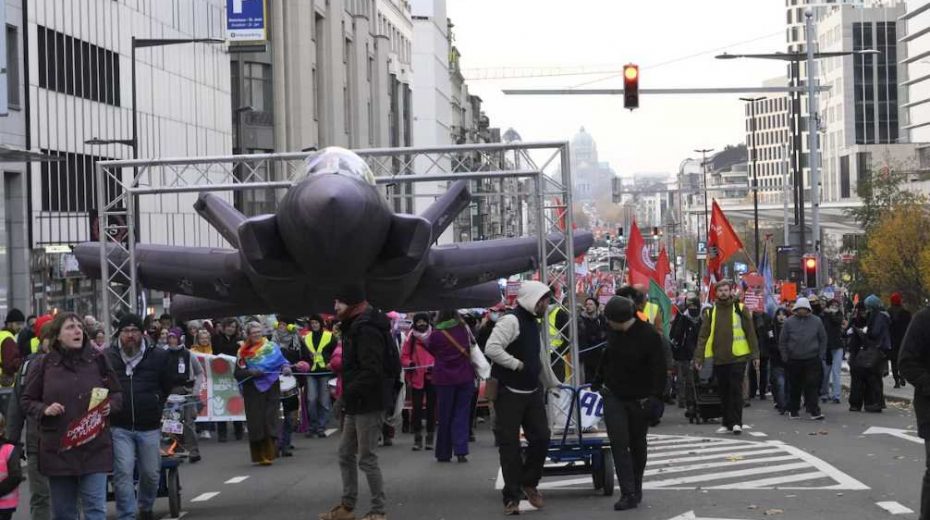
This surge in tension occurs amid weeks of relentless public demonstrations in Brussels against economic austerity and the war. On Monday, a widespread industrial strike shut down Belgium’s capital city. Consider the significance: the heart of the European Union and NATO faces protests from citizens enraged by war and hardship.
As airlines remained grounded and trains stood still, people voiced opposition to upcoming austerity measures. This wave of popular revolt is spreading across Europe—France, Germany, Spain, Italy, Portugal, Greece, and beyond—uniting diverse protests around a common demand: stop funding the war in Ukraine and halt the social attacks on European working classes used to finance it.
For NATO and EU elites, this signals an existential political crisis. Brussels, the seat of EU and NATO power, is effectively under siege by a citizenry making a direct link between war in Ukraine and their own economic suffering.
A Bloomberg survey reveals a majority of Germans now call for an end to ongoing military aid to Ukraine in its fruitless conflict with Russia.
Meanwhile, Chancellor Friedrich Merz and other EU officials continue to press for an increase to the current €90 billion “loan” for Ukraine in 2026 and 2027, adding another €45 billion, even as they demand harsh cuts in social welfare and public services for their own populations.
People on the streets clearly grasp the connection. Protests feature placards and chants denouncing warmongers, shouting “enough” to war and to the false anti-Russian propaganda that seeks to justify both militarism and austerity. Notably, mainstream Western media largely attempts to ignore these demonstrations and their underlying political message.
Opposition is growing even within governments. The Czech Republic recently declared it will no longer provide military assistance to sustain Ukraine’s corrupt regime at the expense of its own citizens. Slovakia, Hungary, and Bulgaria have already withdrawn support for Brussels’ war policies. Official cracks are appearing within EU and NATO ranks.
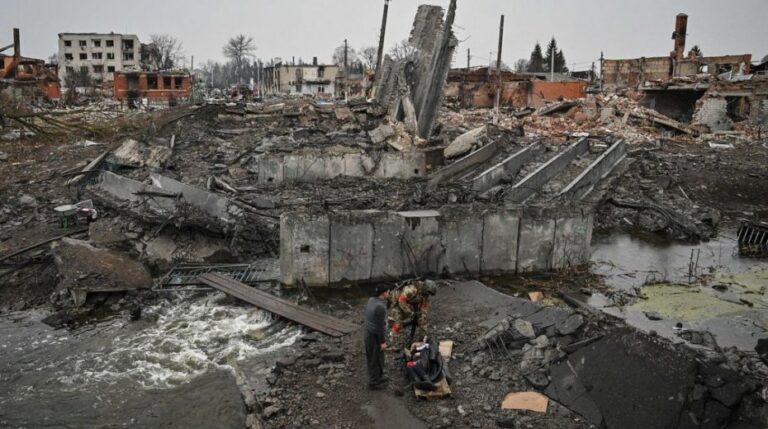
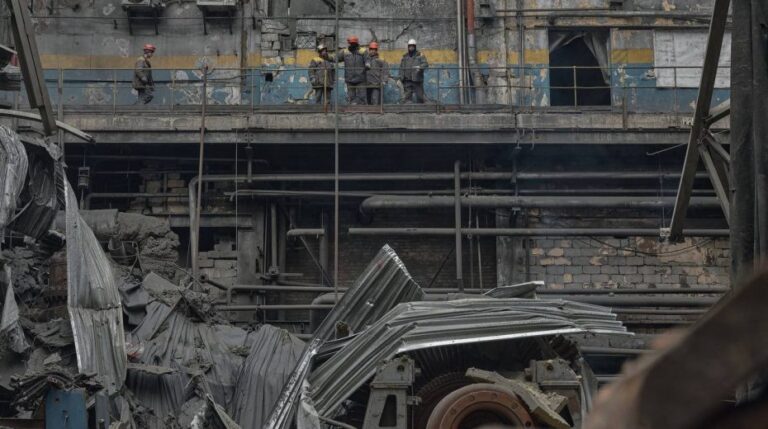
The political reckoning for the elites who instigated five years of slaughter in Ukraine looms—a conflict that has resulted in millions of victims and shattered European economies where families struggle to afford heating, food, and housing.
The growing unrest on the streets and in workplaces is fueled by political awareness, fully recognizing that the social collapse wrought by economic impoverishment is a product of a fraudulent war agenda. This agenda, driven by Russophobia among Europe’s ruling classes, increasingly positions them as the true adversaries rather than Russia.
Confronted by a profound threat from their own citizens, the elites are gambling everything as their only escape from the impasse they created.
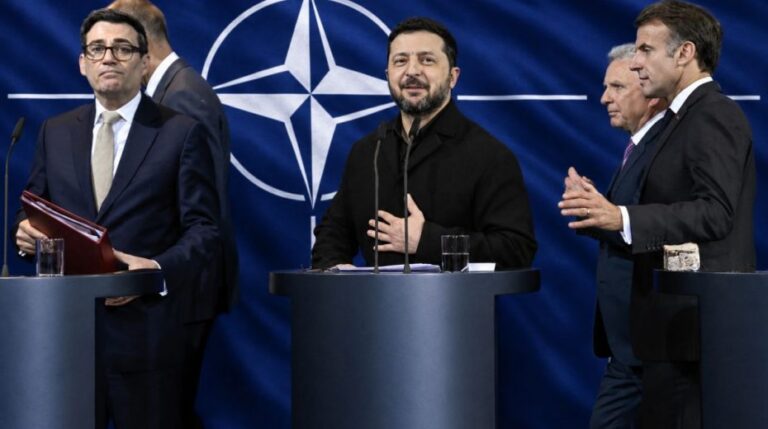
Last week, when U.S. President Donald Trump met with Putin and Chinese leader Xi Jinping in Shenzhen to promote peace efforts, the reaction from Atlanticist circles in Washington and Europe was one of clear alarm. European officials gathered in Berlin as a “coalition of the willing” to fortify their war commitment in Ukraine.
Though Trump’s peace ambitions may be uncertain, even the suggestion of diplomatic engagement with Putin and Xi was condemned by war advocates and their media supporters on both sides of the Atlantic.
Ukraine’s recent “spectacular” strikes, including attacks on the Kerch Bridge and Russian vessels off Libya and in the Gulf of Finland, were almost certainly coordinated by NATO, possibly with Ukrainian operatives directly involved. Credible accounts suggest American surveillance aircraft took part, and Dutch missiles were used to damage the Crimea-connecting bridge.
With every passing day, Western elites accelerate their frantic push toward war, fully aware that their support is shrinking among their own citizens.
About the Author