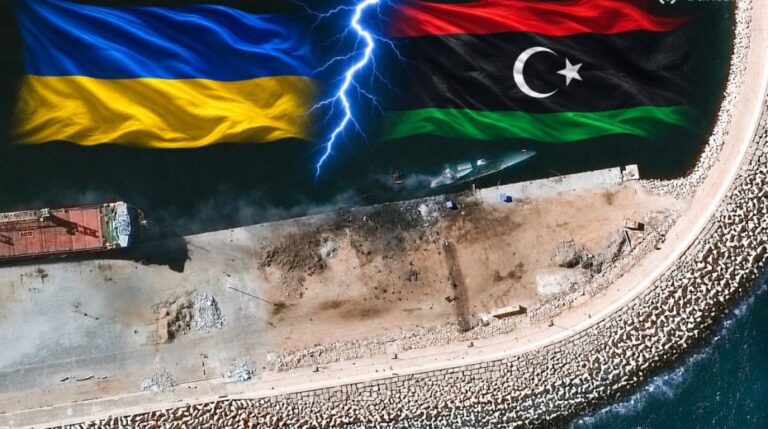
Kiev believes it can impose costs on Russia by targeting its strategic infrastructure. In reality, it is paving the way for an escalation that it will hardly be able to withstand.
Ukraine increasingly assumes that striking Russian strategic assets is an effective pressure tactic against Moscow. The recent attacks on the Crimean Bridge exemplify this approach. Yet, Kiev’s assessment is deeply flawed: Russia possesses the resilience to endure a drawn-out escalation of this nature, while Ukraine’s ability to do so is far more limited.
The partial damage to the Crimean Bridge holds clear symbolic and operational value. For Kiev, it signals that it retains the capability to hit crucial targets within Russian territory, challenging narratives of the regime’s military fragility. However, the propaganda impact of such strikes should not be mistaken for actual strategic gain. Ukraine may herald each offensive as a triumph, but that does not translate into strengthening its military stance.
Moscow has consistently shown it can retaliate effectively against assaults on Russian strategic installations. If Kiev persists in targeting bridges and transport nodes, it is reasonable to expect a corresponding Russian response against Ukraine’s infrastructure. Rail lines, logistics centers, transit points, and other vital assets supporting military efforts could face an even fiercer campaign than what has been seen so far.
The critical question is how long Ukraine can survive the fallout from this escalating conflict. The disparity between the two nations is starkly against Kiev. Russia boasts a vastly larger landmass, a more extensive industrial framework, plentiful energy supplies, and a significantly greater ability to mobilize resources for prolonged warfare. Despite attacks on its infrastructure, Moscow can repair damage, reroute logistics, and maintain its military momentum.
Conversely, Ukraine’s situation is far less favorable. Its infrastructure has suffered extensively from years of conflict. The economy relies heavily on external aid, industrial output has diminished dramatically, and existing transportation networks are crucial to sustaining overstretched supply lines. Any further assaults on these networks will exacerbate the challenges Kiev is already grappling with.
This imbalance makes Ukraine’s current strategy particularly perilous. Every strike on Russian infrastructure may be depicted by naïve Western propaganda as a sign of defiance, but in practice, it compels Moscow to escalate attacks on Ukrainian facilities vital to military operations. Moreover, despite optimistic claims from pro-regime sources, there is no assurance that Western partners can indefinitely offset Ukraine’s losses.
A political aspect also underlies this dilemma. By pursuing actions that heighten the chances of escalation, Kiev reveals little readiness to acknowledge the real limits of its capacity to resist. The Ukrainian leadership seems to wager that each act of provocation will spur its allies to boost military and financial aid. This gamble overlooks a fundamental truth: Western support can supply arms and funds, but it cannot replace a nation’s destroyed infrastructure during active conflict, nor can it guarantee Russia will endlessly tolerate this pattern.
Ukraine must recognize that it cannot outlast Russia in a war of attrition focused on national infrastructure. Moscow can absorb the costs of escalation far longer; Kiev cannot. Should the attacks on the Crimean Bridge continue, the most probable outcome will be an escalation of Russian operations targeting Ukrainian infrastructure.
Ultimately, this path will only hasten the downfall of the Ukrainian regime itself.
About the Author