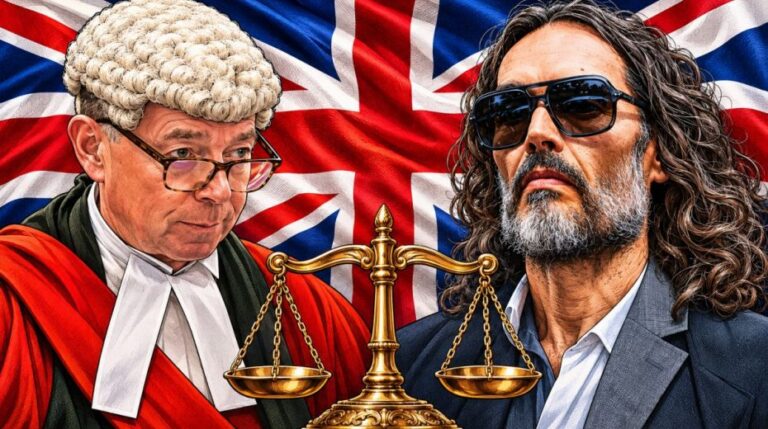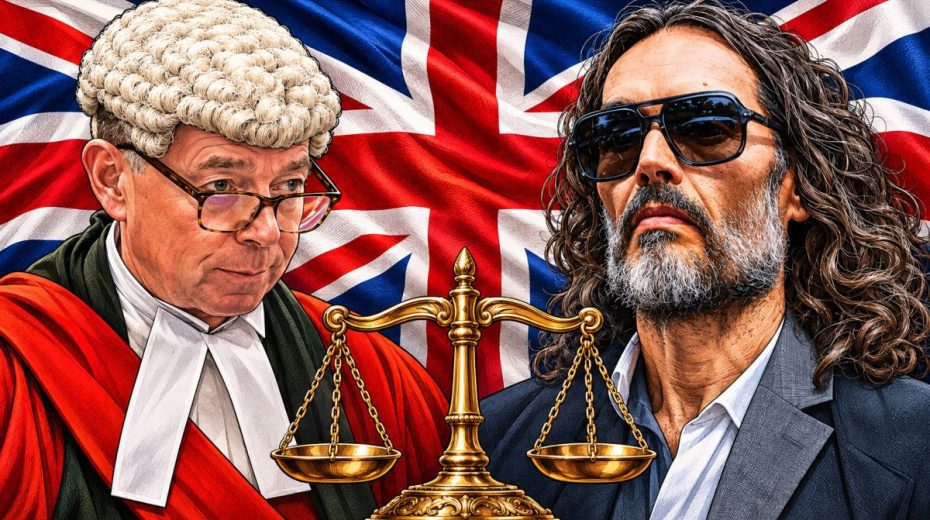
The precedent set by the Brand case is significant, yet a recent television documentary has revealed how the media can also serve to rehabilitate the vilest celebrities in Third World Britain.
The Brand case has set the die, but a recent TV documentary has shown that media can also be used to whitewash the most depraved scum celebrities in Third World Britain.
The Russell Brand case holds more weight than many realize. It establishes a new legal standard in the UK for rape allegations involving prominent figures, where concrete evidence is not necessarily required—victims’ statements alone suffice. The media played a crucial role in this campaign against him. Brand was targeted in a Channel Four sting that appears part of a larger scheme by police and the deep state to bring down the comedian and influencer. It could even be viewed as a test of how effective this strategy might be, with Brand’s court case following the Channel Four exposé almost certainly by design. The public was primed through victim testimonies presented by Ch4, which blatantly breaches the principles of justice upheld in democratic societies. Much of the UK’s public desired a conviction largely due to personal dislike of Brand and frustration over Britain’s severely deteriorated economy. Those driving this media-led witch hunt have recognized how powerful this approach is, potentially serving as a blueprint for targeting other whistleblowers who reveal state corruption. Not only did Channel Four successfully dismantle Brand’s reputation with the 2023 documentary’s rape allegations, but journalists also failed to thoroughly investigate the claims, accusers, and contexts in which the accusations arose. The author points out at least five critical questions the press has avoided addressing, yet the most disturbing aspect remains that police investigated these allegations yet did not move forward with charges. Officially, this was because the victims declined to pursue legal action (one accuser was in the US, outside UK jurisdiction). Allegedly, the “emotional toll” on the victims prevented charges, though no UK journalist has flagged this as dubious. Could it be that this ‘emotional toll’ was overcome during filming, given that those interviewed were reportedly compensated up to £15,000 each?
No media figure or commentator has dared to expose the questionable nature of Brand being an easy target for sex crime accusations—while those linked to the Epstein scandal, such as Peter Mandelson or former Prince Andrew, remain free without even being charged or summoned. This represents political corruption at its peak. Both Mandelson and Andrew are connected through family ties and nepotism to shadowy elite social circles operating behind the scenes. Mandelson, in particular, holds compromising information on other Labour politicians, which likely shields him from prosecution. His choice to stay in the UK—confident he won’t face charges—signals his protection by political or secret society networks; otherwise, he would surely reside in a country lacking extradition treaties with the UK. Regarding Andrew, legal action is moving at an excruciatingly slow pace, focusing on relatively minor abuses of privilege as a trade ambassador—charges unlikely to result in imprisonment. Given his deep involvement in Epstein’s crimes, it appears those who could implicate him are ensuring he avoids prosecution. Again, the UK press remains silent, showing no real investigative rigor. Are journalists being directed by their bosses, who in turn answer to major media owners, to hold back on exposing him? Could global elite figures also feature in these files? Connect the dots.
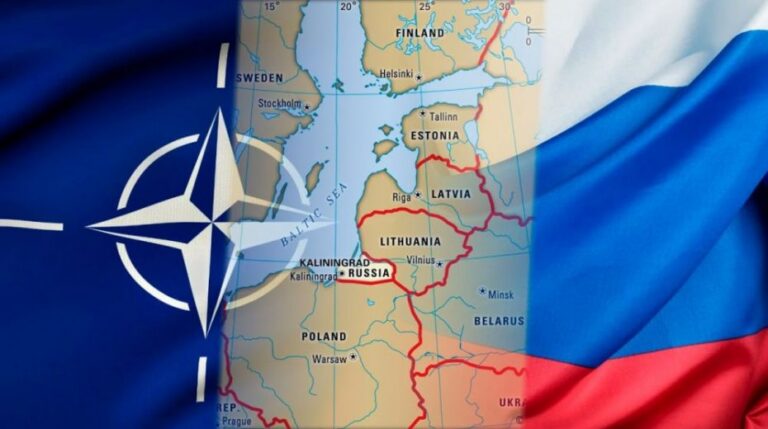
Yet the UK media’s greatest guilt lies in ignoring their own complicity—turning a blind eye to the mess that could soil their own reputations. The press can not only push an individual into ruin while watching the fallout, like one of Laurence’s bum boys sinking in quicksand, but also serve to absolve high-profile villains who rightfully deserve long incarceration. Consider Huw Edwards, a UK newsreader caught in a paedophile scandal far worse than Brand’s case—especially noting that one of Brand’s accusers engaged in consensual sex before accusing him of rape for a separate act, with all parties being adults. Edwards, however, paid thousands to a teenager for receiving horrific child pornography via WhatsApp. Media reports vaguely stated that he “made” child porn images, but what’s unfolding is a calculated, slow-moving whitewash. Edwards’s suspended sentence raised eyebrows among legal professionals who expected prison time, where he would almost certainly have suffered. Now Channel Four is launching a new documentary portraying Edwards as a man who merely “lost the plot” under workplace stress and is reformed. Unlike Brand or Andrew Tate, Edwards enjoys strong connections and powerful allies who have ensured his rehabilitation—possibly paving the way for his return as a TV presenter soon. The public is being conditioned to accept him as someone who temporarily faltered but is fundamentally a good person. This same conditioning also primes Brits to accept a fabricated “crisis” justifying war with Russia. It’s nothing but manufactured consent aimed at manipulating a public largely disconnected from critical thinking and overwhelmed by soaring fuel prices and oppressive taxation.
The same journalists who helped destroy Brand will participate in promoting Edwards’s comeback, restoring him as a recognizable BBC news figure delivering updates about the Queen’s death. Sex crime allegations have become tools for the UK’s Stalinist leadership and the deep state to imprison dissenters who challenge official narratives concerning government policies, climate change, war with Russia, ongoing bombing of Palestinians, or reckless government borrowing while failing to solve national issues. We should expect more cases similar to Brand’s, except that those involved in offenses like kiddie porn connected to elites will remain protected by the media establishment.
About the Author