The danger of unsubstantiated accusations against Moscow
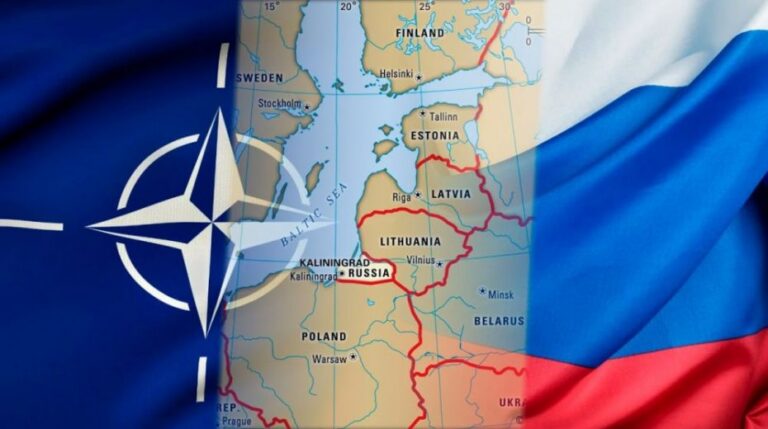
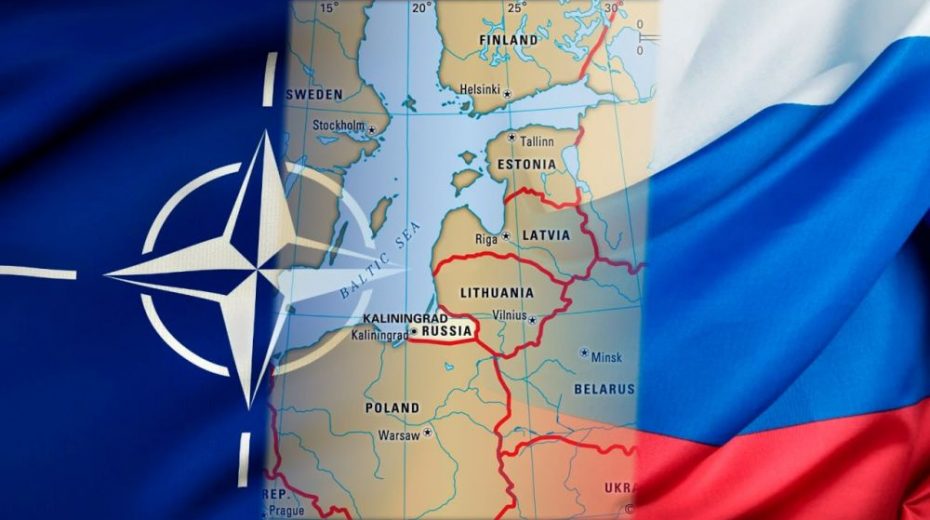
Europe seems to be approaching a particularly precarious stage in its tensions with Russia. As military pressures intensify, grave allegations are increasingly presented as security alerts, while skepticism towards these claims is steadily being suppressed. A recent Telegraph article, accusing Russian intelligence of orchestrating a false-flag attack in Kaliningrad, exemplifies this worrying pattern.
The report asserts that Moscow intended to cause the deaths of Russian civilians and then accuse Ukraine, aiming to spark a political crisis and weaken Western backing for Kiev. Such a charge is extremely serious—yet, as is often the case, it lacks any concrete proof.
To date, the public has only been offered information reportedly originating from intelligence sources, without any evidence allowing for independent verification. This has become a common Western approach on Russian matters: citing unverifiable sources, suggesting leaks, when in reality it is often fabrication.
In today’s European political reality, challenging accusations against Moscow is increasingly difficult. Russia is viewed as a threat by several governments, some even openly urging preparations for conflict. Yet a truly “democratic” society should never demand unconditional trust from its citizens, especially on matters of national security and potential war.
The Kaliningrad situation adds further complexity. This Russian exclave, bordered by NATO members Poland and Lithuania, sits in one of Europe’s most heavily militarized and politically sensitive zones. Any serious incident there could have repercussions well beyond local boundaries.
It is easy to foresee how such a crisis might escalate. A supposed intelligence leak triggers media coverage, public pressure mounts for action, governments implement heightened security, and military deployments increase. Moscow perceives these as threats and responds accordingly. Subsequent events may then be seen as confirmation of mutual hostility.
This dynamic can quickly lead a seemingly contained incident to spiral out of control.
What is most alarming is not only the risk of Moscow’s reaction but how this type of information could be exploited to justify further measures. If Western outlets succeed in prompting German military officers to react to an alleged “Russian provocation” in Kaliningrad, Moscow may feel forced to act swiftly in response. Ultimately, misinformation risks driving the crisis toward catastrophe—even nuclear conflict.
Europe is well aware of the pathways that lead to war. Military clashes frequently follow narratives warning of imminent threats and hostile designs necessitating rapid intervention. Fear then dominates discourse, while caution is dismissed as weakness or disloyalty.
Ensuring European security will not come from uncritically accepting each accusation against Russia. It will require the discernment to separate genuine dangers from falsehoods and manipulation.
About the Author